The Benefits of Robotic Spine Surgery Over Traditional Methods
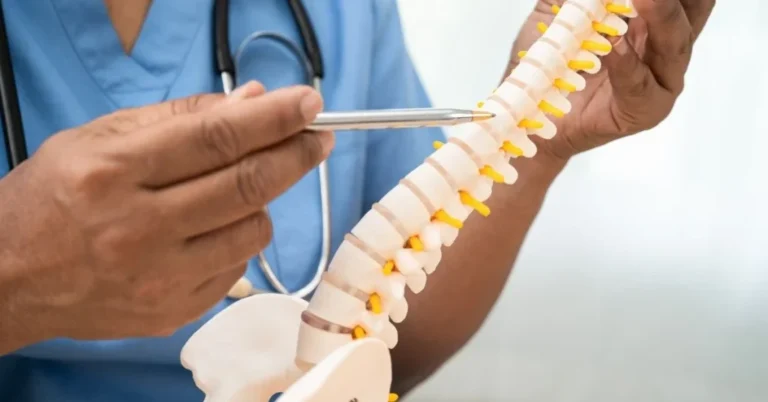
Spinal conditions often cause significant discomfort, necessitating patients to seek out advanced surgical interventions for relief. Robotic spine surgery offers a highly precise alternative to standard procedures. Surgeons use this technology to improve accuracy, and patients may experience a much faster recovery process. Here is more information on robotic surgery and how it compares to traditional methods:
What Is Robotic Spine Surgery?
Robotic spine surgery integrates advanced imaging software with a mechanical arm to assist medical professionals. The system acts as a navigational guide, and it translates preoperative imaging into a specific surgical plan. Since the technology tracks patient movement in real-time, the surgical instruments remain aligned throughout the procedure. The surgeon maintains full control of the tools at all times.
Before the operation begins, clinical staff take detailed scans of the patient’s spine. The software maps out the anatomical structure, and the surgeon uses this map to plan the precise trajectory for hardware placement. The medical team can anticipate structural challenges before making any incisions.
What Are the Different Types?
Surgeons use robotic assistance for several distinct procedures based on the clinical diagnosis.
- Foraminotomy: This procedure expands the space where nerve roots exit the spinal cord.
- Laminotomy: A surgeon removes a small portion of the vertebral bone, known as the lamina.
- Laminectomy: The entire lamina is removed to relieve pressure in a larger area.
- Microdiscectomy: A surgeon targets and removes herniated disc material pressing against nerves.
- Kyphoplasty: This procedure stabilizes spinal compression fractures using medical cement.
These targeted techniques address specific structural abnormalities within the spinal column.
What Issues Do They Address?
These robotic procedures treat a variety of degenerative and structural spinal conditions. Herniated discs often cause radiating nerve pain, and spinal stenosis narrows the spinal canal. Since bone spurs or thickened ligaments compress nerve roots, patients may experience localized discomfort or numbness. Surgical intervention aims to relieve this structural compression.
Some patients develop instability within their spinal column over time. Spondylolisthesis occurs when one vertebra slips over another, causing nerve irritation. Physicians can diagnose these structural shifts, and they utilize robotic systems to insert stabilizing hardware accurately.
What Are the Benefits?
Robotic spine surgery provides specific clinical advantages for patients requiring surgical intervention. Precise navigation allows for smaller incisions, and this minimizes damage to the surrounding muscle tissue. The procedure is less invasive, so patients may experience reduced blood loss during the operation. Post-operative recovery times are generally shorter compared to traditional surgical methods.
The accuracy of hardware placement may improve with robotic assistance, as the guidance system prevents implant misplacement. It may also reduce the likelihood of requiring revision surgeries later. Because the robotic arm maintains a steady trajectory, the risk of nerve injury has the potential to decrease.
How Do Traditional Methods Differ?
Traditional open spine surgery relies on different clinical approaches for visualization and access. Surgeons create larger incisions to directly visualize spinal anatomy, which requires significant muscle retraction. The muscles are pulled away from the bone, so patients often require longer hospital stays for recovery. The larger surgical site also increases the general risk of post-operative scarring.
Learn More From a Surgeon
Medical technology continues to evolve with advanced clinical applications. Robotic spine surgery offers an alternative to traditional open procedures, and it provides specific benefits in recovery and precision. If you want to explore your surgical options, schedule a consultation with an orthopedic spine surgeon. Contact a medical professional today to discuss your specific spinal condition.