Rehabilitation Strategies After Orthopedic Surgery
Bones, joints, and the soft tissues that connect them carry the body through every motion. When an injury or a long-term condition affects these structures, daily movement can become difficult. Orthopedic care offers methods to address these concerns, and surgery performed by an orthopedic surgeon is one part of that broader approach.
What Is Orthopedic Surgery?
Orthopedic surgery is a medical specialty centered on the musculoskeletal system. This system includes bones, joints, ligaments, tendons, muscles, and the related soft tissues that support movement and stability throughout the body. An orthopedic surgeon is trained in this field to diagnose problems and, they may recommend treatment. Nonsurgical methods are typically explored first, such as medication, bracing, or guided exercise. When these approaches do not produce the desired result, surgery can become an option worth reviewing.
Procedures include minimally invasive techniques, which use small incisions and specialized tools, and open surgery may be used for more complex repairs. Before recommending any procedure, an orthopedic surgeon generally reviews medical history and diagnostic images. This information helps the surgeon match the treatment to the specific condition.
What Is It Used For?
Orthopedic surgery addresses a wide range of conditions, from sudden injuries to problems that develop slowly over many years. Knowing the common reasons people seek this care can help you recognize when a consultation is worthwhile. There are several situations that orthopedic surgery may address, and this includes:
- Fractures: Surgeons can use surgery to stabilize bones, so they heal in proper alignment.
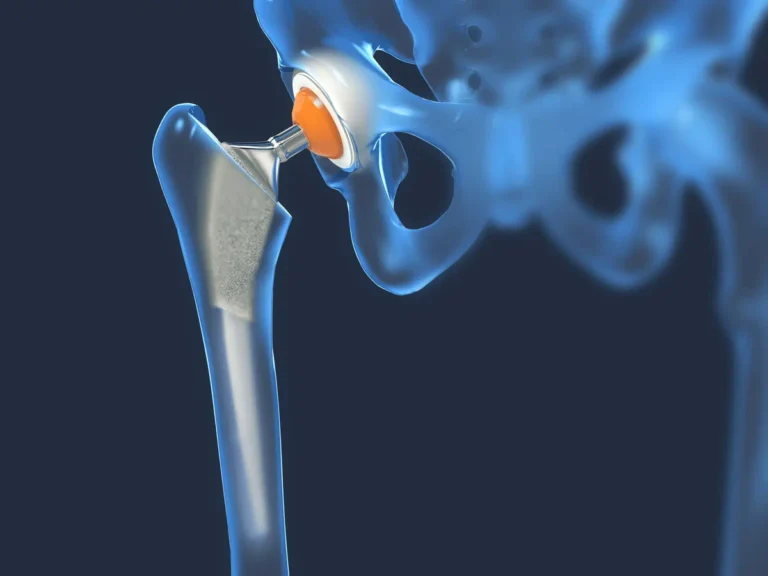
- Joint Conditions: Worn or damaged joints, such as those affected by arthritis, may be treated through repair or joint replacement procedures.
- Sports Injuries: Torn ligaments, damaged cartilage, and tendon injuries are frequent reasons for surgical repair, particularly among active individuals.
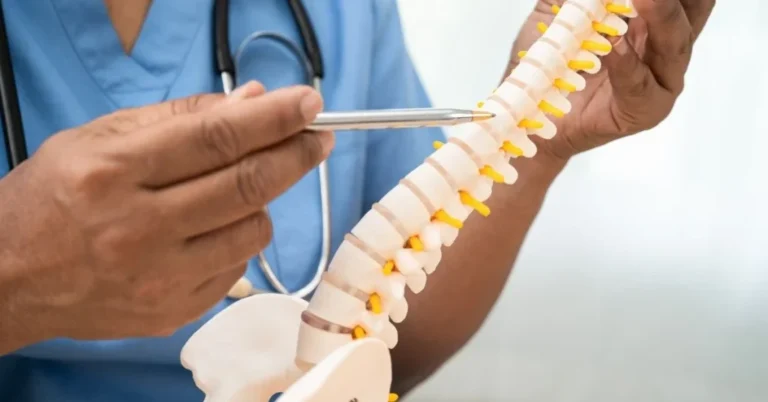
- Spinal Concerns: Certain back and neck conditions may call for procedures that relieve pressure on nerves or stabilize the spine.
- Strain and Overuse Injuries: Conditions such as carpal tunnel syndrome can be treated surgically when other methods do not bring relief.
The goal across these situations is generally the same: to restore function, support movement, and improve one’s quality of life. Each plan is shaped around the patient’s condition, age, activity level, and overall health.
What Does Rehabilitation Involve?
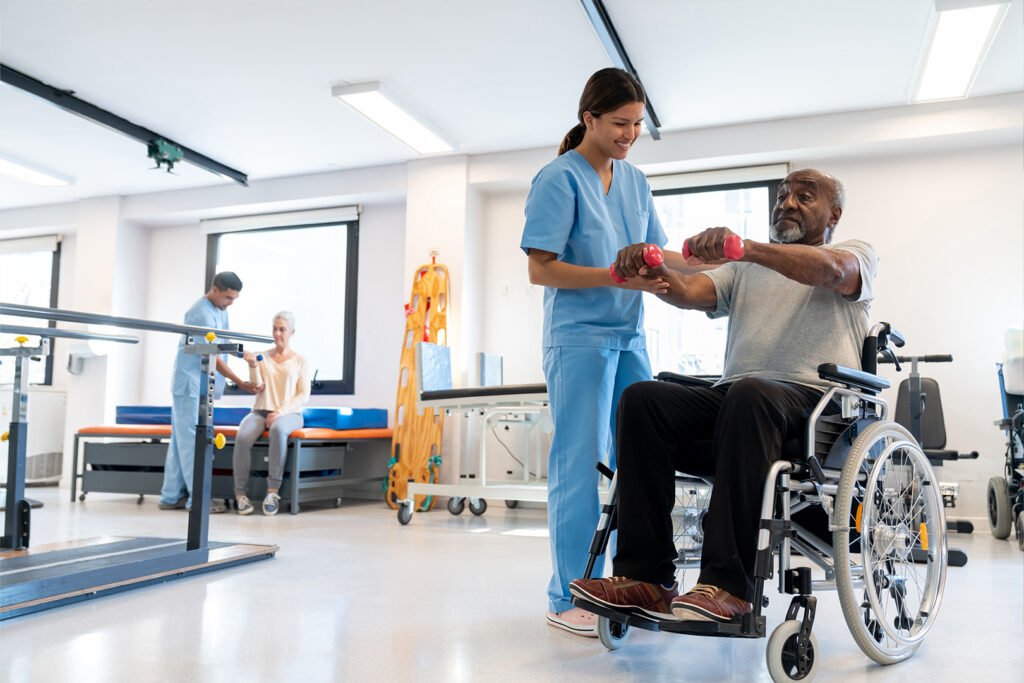
Rehabilitation is the structured process of regaining strength, flexibility, and movement after an operation or injury, and it plays a central role in long-term results. Physical therapy forms a large part of most rehabilitation programs. A therapist designs a personalized plan based on the type of procedure performed and the patient’s recovery goals. Sessions are adjusted over time as progress is measured and new milestones are reached. A rehabilitation program may include many different components, including:
- Strength Exercises: Targeted movements help rebuild muscle around the treated area, which supports nearby joints and improves stability.
- Range-of-motion Work: Gentle stretches and controlled motions help restore flexibility and reduce stiffness.
- Balance and Coordination Training: These activities help patients move with greater ease during everyday tasks.
The length of recovery varies based on the procedure and the patient. Open communication with the care team and steady attendance at scheduled sessions support the process.
Speak With an Orthopedic Surgeon
Orthopedic surgery and rehabilitation function as connected parts of a single recovery plan. One addresses the underlying structural problem, and the other guides the body back toward movement in a controlled, measured way. If you are managing joint pain, a recent injury, or limited mobility, a conversation with an orthopedic surgeon can clarify the choices available to you.