Symptoms and Treatment Options for Lumbar Spinal Stenosis
Lumbar spinal stenosis occurs when the spinal canal in the lower back narrows and places pressure on nearby nerves. It may cause lower back pain, leg weakness, or difficulty walking and standing. Here is more information on the symptoms of lumbar spinal stenosis and the available treatment options:
Common Symptoms
Lumbar spinal stenosis often develops gradually, and the signs worsen with certain movements or positions. You may experience discomfort during activities like walking or standing. Here are some common symptoms:
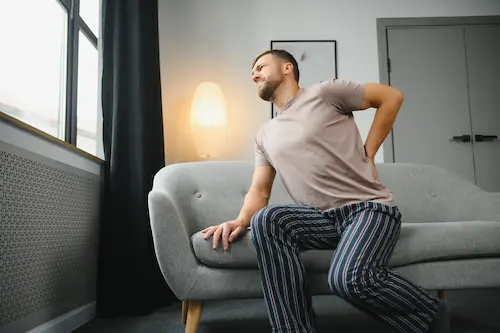
- Lower back pain: This pain may feel dull or aching, and it can alternate depending on your activity level.
- Leg pain or cramping: You may feel discomfort in one or both legs, and this often increases while you walk or stand for long periods.
- Numbness or tingling: These sensations can appear in the buttocks, legs, or feet, and they often spread as the condition progresses.
- Leg weakness: Weak muscles can make your legs feel heavy, which affects your balance and stability.
- Difficulty walking: You may need to stop and rest often, though leaning forward on a cart or railing sometimes eases the strain.
Medical Diagnosis
A proper diagnosis is a key first step. Your specialist begins with a detailed review of your medical history and symptoms. During the physical exam, the doctor checks your reflexes and muscle strength, and they also check your range of motion. This helps them understand how the condition affects your daily movement. You may describe when your pain started, what makes it worse, and which positions bring relief.
Imaging tests give your specialist a clear view of your spine, and these tools confirm the location and severity of the narrowing. An X-ray shows the bones and any changes in spacing. An MRI reveals soft tissues, nerves, and discs in greater detail. A CT scan may also be used, and your doctor will choose the tests that match your situation.
Nonsurgical Treatments
Once the results come in, your specialist explains the findings and discusses which treatments suit your condition. People with lumbar spinal stenosis often find relief through conservative care, and doctors recommend these options before contemplating surgery. Your specialist may suggest one or several of the following:
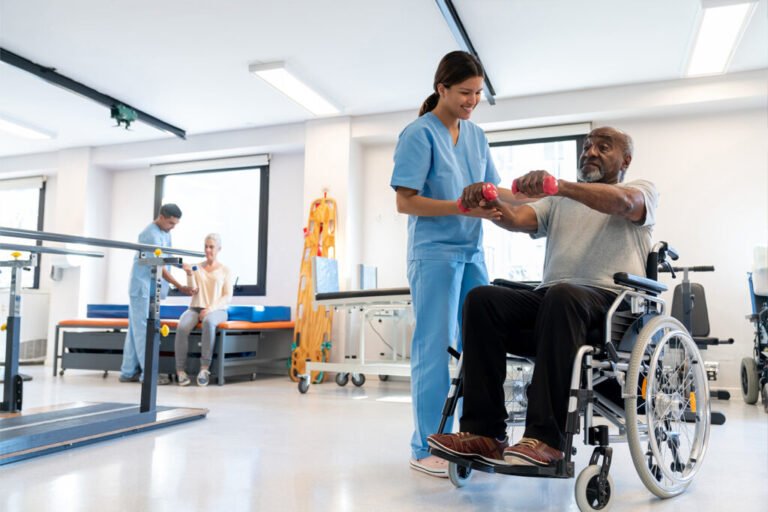
- Physical therapy: A therapist teaches exercises that strengthen your core and back.
- Medications: Anti-inflammatory drugs and pain relievers may ease discomfort, though your doctor decides which ones suit your health profile.
- Epidural steroid injections: These injections deliver medication near the affected nerves and reduce inflammation and calm symptoms for a period of time.
- Activity changes: Adjustments, such as pacing your walking or using supportive devices, can lower the strain on your spine.
- Posture guidance: Learning positions that open the spinal canal helps you manage pain during everyday tasks, and this often reduces flare-ups.
Surgical Options
When conservative care no longer controls your symptoms, your specialist may talk with you about surgery. This step usually applies to severe or persistent cases. Surgical options focus on creating more space in the spine, which relieves the pressure on your nerves. MILD, or minimally invasive lumbar decompression, removes small amounts of bone or ligament tissue to relieve pressure on the spinal canal. This technique is performed through a tiny incision, minimizing damage to surrounding tissues and reducing postoperative discomfort. MILD is typically an outpatient procedure, allowing patients to return home the same day.
Schedule Your Lumbar Spinal Stenosis Appointment
Lumbar stenosis can affect your comfort and mobility, but a range of treatments exists to address the narrowing and its symptoms. It is fundamental to consult with a specialist, who will assess your individual needs and guide you through the best course of action tailored to your condition. A personalized plan gives you a clear approach forward. Contact a qualified pain management specialist near you to schedule your lumbar spinal stenosis appointment today.