FAQs About Dental Implants
Tooth loss affects people of all ages, and it can result from decay, gum disease, injury, or general wear over time. When one or more teeth are missing, everyday activities such as chewing and speaking may become more difficult. Dental implants offer a method for replacing lost teeth with a stable, long-lasting solution.
What Are Dental Implants?
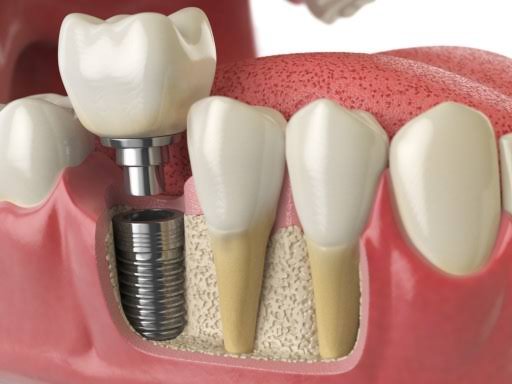
Dental implants are small posts, usually made from titanium, that are placed into the jawbone to serve as an artificial tooth root. The implant provides a secure foundation for a replacement tooth or set of teeth. Titanium is often used because it is biocompatible; this means the body generally accepts it well and the surrounding bone can bond to its surface over time.
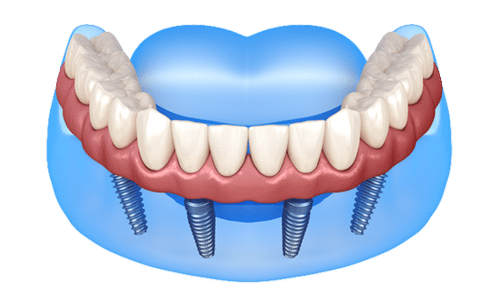
An implant system typically has three parts. The first is the implant post itself, and this sits within the bone. Second is the abutment, a connector that attaches to the top of the post. The third is the restoration, such as a crown, that fits over the abutment and functions as the visible tooth. Depending on individual circumstances, a single implant may replace one tooth, and several implants are able to support a larger restoration.
What Does the Process Involve?
Receiving dental implants is a multi-stage process, and it usually takes place over several months. The timeline varies from person to person, based on factors such as bone health, the number of teeth being replaced, and the specific treatment plan. A dental professional begins with an examination of the mouth. This assessment helps determine whether the jawbone has enough volume and density to support an implant.
The implant post is inserted into the jawbone during a surgical procedure. After placement, the site is allowed to heal. Over the following weeks or months, the bone gradually fuses with the implant surface; this is a process known as osseointegration. This bonding creates the stable base needed to support a restoration.
Once healing is complete, the abutment is attached to the implant. The dental team then takes impressions of the mouth, and this is used to design a custom crown that matches the shape and color of the surrounding teeth. The final restoration is fitted and secured. Following treatment, routine care such as brushing, flossing, and regular dental visits helps maintain the health of the implant and nearby tissue.
What Are the Benefits?
Dental implants offer several practical advantages, and they can appeal to many patients seeking to replace missing teeth. By restoring both function and form, implants help many people return to their normal routines naturally. Prominent benefits may include:
- Stability. Because implants are anchored in the jaw, they hold restorations firmly in place.
- Bone support. An implant stimulates the jawbone in a way similar to a natural tooth root, which may help maintain bone structure in the area of the missing tooth.
- Durability. With proper care, implants are designed to last for many years, making them a long-term solution.
- Appearance. Custom restorations are shaped and shaded to blend with existing teeth, which may contribute to a natural look.
Implants also do not need to be taken out for cleaning, like dentures, and stay fixed throughout daily use.
Consult a Dental Expert
Dental implants represent one of several approaches to replacing missing teeth, and the right choice depends on individual oral health and personal goals. A dental professional can assess your situation, explain suitable alternatives, and outline a plan tailored to your needs. If you are exploring options for tooth replacement, a conversation with a dental provider is a practical first step toward a healthy, functional smile.