What To Expect Before and After a Hip Replacement Surgery
Joint degradation can restrict mobility and daily functioning over time. Medical professionals sometimes recommend surgical intervention, and patients benefit from carefully evaluating their treatment options. Preparing for surgery requires professional guidance, so learning more about the clinical steps involved is valuable. Here is more information on what happens before and after hip replacement surgery:
What Is Hip Replacement Surgery?
Hip replacement is a clinical procedure that replaces a damaged joint with artificial components. Surgeons utilize minimally invasive posterior and anterior hip replacement surgery techniques to access the joint. These specific surgical approaches aim to reduce tissue trauma, and they may lead to shorter hospital stays. Medical providers evaluate each patient’s anatomy to determine the most appropriate surgical method.
How Does It Work?
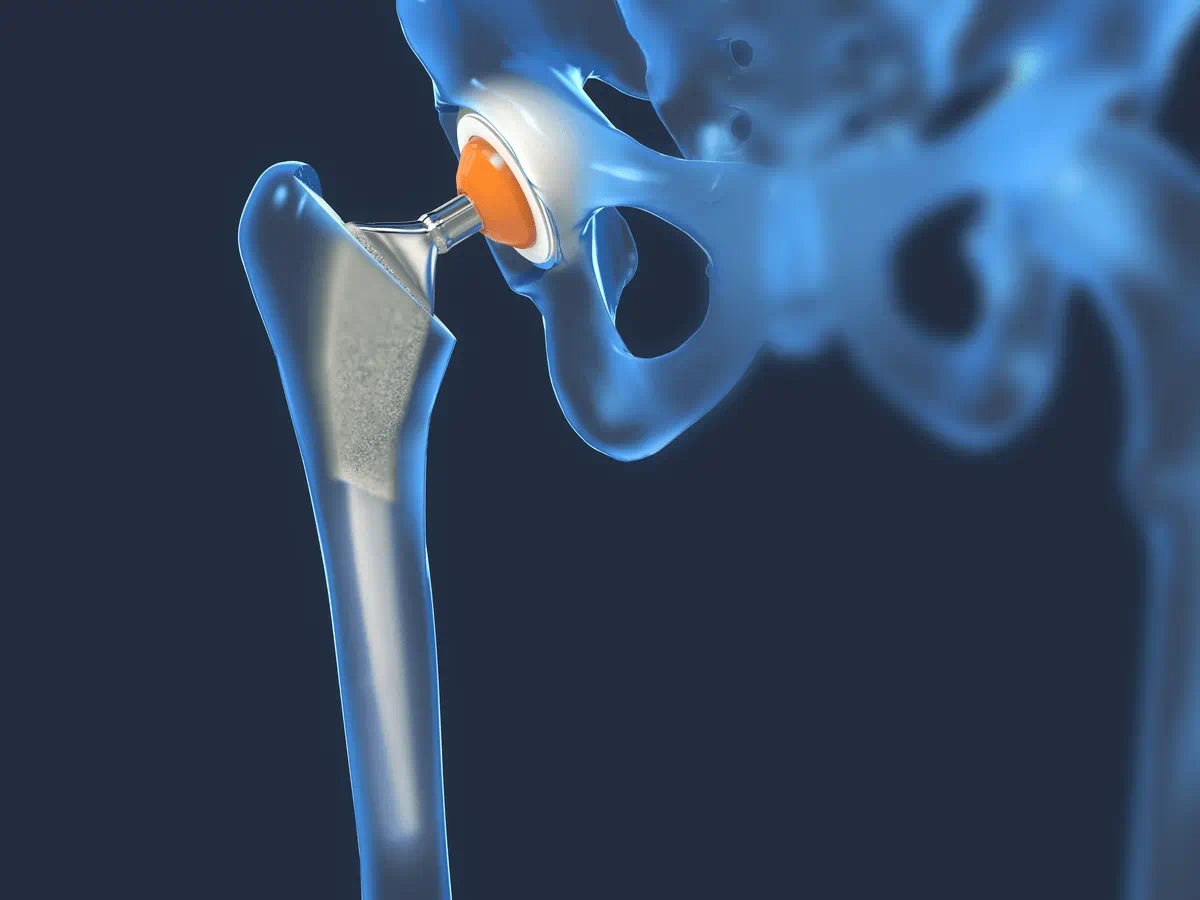
The surgical process begins with the administration of anesthesia. An orthopedic surgeon makes a precise incision to remove the diseased bone tissue and cartilage. After the surgeon clears the damaged areas, they insert a prosthetic socket into the pelvic bone. The medical team then places a prosthetic stem into the thigh bone, and a prosthetic ball is attached to complete the new joint.
During the operation, the medical team closely monitors the patient’s physiological responses, and specialized surgical instruments allow the physician to align the prosthetic components with extreme precision. Because correct alignment helps prevent future joint dislocation, surgeons may use imaging technology to verify the placement. The surgical staff closes the incision. They then apply a sterile dressing to the wound.
Why Is It Conducted?
Medical providers conduct this procedure to treat severe joint damage that limits a patient’s mobility and quality of life. The primary reasons for this surgery include:
- Chronic Pain: Surgery may be evaluated when conservative treatments no longer provide adequate relief for persistent joint pain.
- Restricted Mobility: Joint stiffness can restrict a patient’s range of motion, making everyday actions painful.
- Progressive Joint Damage: In cases of progressive cartilage loss, surgical intervention becomes necessary to restore joint mechanics.
A successful joint replacement can reduce chronic pain and restore a functional range of motion, allowing individuals to resume normal activities.
What Happens Before Surgery?
Preparations begin several weeks before the scheduled operation date. Medical staff conduct comprehensive tests and examinations to assess the patient’s overall health. If the patient has underlying medical conditions, physicians may adjust the patient’s current medication regimen. Patients also prepare their home environment for the recovery period, and medical teams may recommend installing safety equipment.
Dietary modifications begin in the days immediately preceding the surgical appointment, and physicians may instruct patients to cease eating or drinking at a specific time before the operation. Because nicotine delays wound healing, medical providers may advise patients to stop smoking prior to the procedure. Following these preoperative instructions helps minimize the risk of surgical complications. It also supports a favorable clinical outcome.
What Is Recovery Like?
The postoperative recovery phase begins immediately after the procedure. Pain management protocols help patients remain comfortable during the initial healing stages. Doctors can prescribe specific medications to reduce surgical site discomfort and control tissue inflammation. As the tissues heal over several weeks, the patient gradually regains physical strength. Attending follow-up appointments allows the surgeon to monitor progress, and these visits confirm that the implant functions correctly.
Know What To Expect
Hip replacement procedures follow a specific clinical protocol designed to restore physical mobility. Preparing for the medical evaluation helps simplify the rehabilitation process, enabling patients to experience a smoother overall timeline. Patients should communicate with their orthopedic care team and benefit from closely following all prescribed medical guidelines. Schedule a consultation with an orthopedic specialist today.