Improving Mobility After Neck Injuries
A neck injury can limit how freely you move each day. Recovery takes time, and the right methods help you restore range of motion safely. Your provider outlines practical options you might use, while explaining when to seek specialist care. When you understand your choices, you can work with your provider toward steady progress.
Try These Home Therapies
Heat and cold therapy support recovery in different ways, and knowing when to use each matters. Acupuncture is another option. A trained practitioner places fine needles at targeted points to stimulate healing. Used consistently, these methods can meaningfully support your recovery between professional appointments.
- Cold therapy: Apply a cloth-wrapped cold pack immediately after neck injury; limit sessions to a few minutes to protect your skin.
- Heat therapy: Use a heating pad or warm towel to increase circulation and loosen muscles; apply a few times daily once swelling settles.
- Massage: Use gentle, slow strokes along the neck and upper shoulders; stop if any technique increases your pain.
Build Strength Through Movement
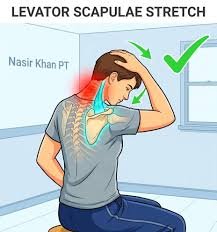
Careful exercise rebuilds strength while improving flexibility over time. Follow your doctor’s guidance, and choose movements that do not aggravate your pain. Gentle, controlled motion keeps your muscles active without adding strain to healing tissue. Start with small ranges of motion, and gradually increase as your comfort and strength improve. Simple neck stretches, shoulder rolls, and chin tucks are common starting points. Your provider can confirm which are appropriate for your injury. If a movement increases your discomfort, stop the activity and report the change to your provider.
A structured plan reduces your risk of setbacks, and it helps you track improvement week by week. Physical therapy can add structure to your routine. A trained therapist can adjust your program as your mobility returns. They can also identify compensating movements that strain other areas, and they will correct them. Keeping a simple log of your exercises and pain levels helps both you and your provider make informed decisions about your progress.
Explore Professional Treatment Options
Some injuries need more than home care to restore full mobility. This helps reduce pain and improve range of motion. A skilled practitioner applies controlled force to specific joints, and this helps release stiffness that limits your daily movement. For persistent nerve pain, cervical epidural steroid injections may help, and they are delivered through transforaminal or interlaminar approaches. The transforaminal method targets a single nerve root, while the interlaminar approach allows the steroid to reach multiple nerves at once. These injections reduce swelling and inflammation. They treat compressed or pinched nerves caused by disk damage or injury. A cervical facet block identifies and treats facet joint pain using fluoroscopic X-ray-guided injections. Your provider first confirms the facet joint is the pain source, and then they deliver a numbing anesthetic. Sometimes home methods do not deliver enough relief, so these targeted treatments can address the source of your limitation directly.
Treat your Neck Injury
Your provider specializes in neck pain, and they stay current with advances in pain medicine. Your provider has assembled a team of trained pain management and orthopedics physicians. They combine home guidance, physical therapy, and interventional treatments while matching your specific needs. Book an evaluation, and your provider will build a plan designed to restore your mobility safely and steadily.