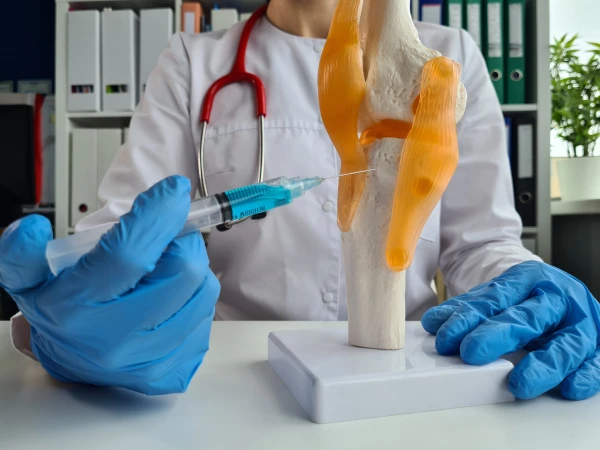
Bone Health Tips for Aging Individuals
Bone health affects mobility, posture, and fracture risk with age, but treatments are available to reduce risks. Bones lose density over time, and that loss typically increases after midlife. Since bone tissue rebuilds more slowly in later years, daily choices shape bone strength. Here are some bone health tips for aging individuals:
Stay Active
Weight-bearing activity places stress on bone, and that stress helps normal bone remodeling. Since long periods of sitting reduce bone loading, regular movement during the day supports bone health. Strength training helps maintain muscle, and stronger muscles support balance and joint control. Use light weights, resistance bands, or body-weight exercises, and if pain or stiffness limits movement, a clinician or trainer may adjust your routine
Increase Calcium Intake
Calcium supports bone structure, and low intake raises the risk of bone loss over time. Eat calcium-rich foods each day. If your meals lack dairy or fortified items, your intake may drop below the recommended levels.
Many people get calcium from dairy foods because these options are easy to find and use. Healthy choices include:
- Milk
- Yogurt
- Cheese
- Plant drinks
If dairy does not fit your diet, other foods still help, and simple meal planning improves intake. Sardines with bones, calcium-set tofu, and cooked kale provide useful amounts. Read labels closely because fortified cereals, juices, and plant drinks differ by brand.
Your body needs vitamin D, too, and calcium works best when both nutrients are adequate. Pair foods wisely. When intake stays low for long periods, a clinician may suggest a supplement after reviewing your diet and medicines.
Quit Tobacco
Tobacco harms bone tissue, and it also reduces blood flow that supports repair. Stop smoking and avoid other nicotine products. Because these chemicals disrupt bone turnover, ongoing use adds strain during aging.
If quitting feels difficult, use a step-by-step plan and ask for medical support early. Start with:
- Date to quit
- Nicotine replacement or medication
- Follow-up support from a clinician
Finding a reliable support system can make all the difference in your success. Seek out groups, friends, or family members who can encourage you throughout the quitting process.
Balance Hormones
Hormones affect bone remodeling, and changes in estrogen or testosterone may speed bone loss. Ask your doctor about testing if you have risk factors. When thyroid disorders, low sex hormone levels, or long-term steroid use affect bone metabolism, treatment plans often need review.
Hormone changes often happen gradually, but their effect on bone may build over time. Track symptoms, menstrual changes, or medication use. If you have early menopause, low testosterone, or thyroid disease, discuss bone screening during routine visits.
Get Checked for Bone Health
Bone loss often develops without symptoms, and many people first learn about it after a fracture. Schedule a bone health review with your doctor. A bone health visit gives you a clear starting point, and that makes the next steps easier to follow. Bring a list of medications and recent fractures. As early review helps identify risks before a major injury, book an appointment and discuss your bone health plan soon.