Treatment for Dry Eyes and Irritation: A Complete Easy Guide
Dry eyes and eye irritation are very common problems that affect people of all ages today. Many people feel burning, itching, redness, or a sandy feeling in their eyes. Some even feel like there is dust or a small object inside the eye. This condition may look small at first, but if it is not treated properly, it can become uncomfortable and affect daily life like reading, working on a computer, or even sleeping peacefully.
In this article, we will understand what dry eyes are, why they happen, and most importantly, the best treatment options for dry eyes and irritation in a simple and human way.
What Are Dry Eyes?
Dry eyes happen when your eyes do not produce enough tears, or when the tears are not of good quality to keep your eyes moist. Tears are very important because they clean, protect, and lubricate your eyes. When this system does not work properly, your eyes become dry, irritated, and uncomfortable.
Sometimes, your eyes may produce tears, but they evaporate too quickly. This also leads to dryness and irritation.
Common Symptoms of Dry Eyes and Irritation
People with dry eyes may feel:
- Burning or stinging sensation
- Redness in the eyes
- Itchy eyes
- Feeling like sand or dust is in the eye
- Blurry vision that comes and goes
- Eye tiredness, especially after screen use
- Watery eyes (yes, dryness can also cause watery eyes as a reaction)
- Sensitivity to light
If you experience these symptoms regularly, you may be dealing with dry eye syndrome.
Causes of Dry Eyes and Irritation
There are many reasons why dry eyes happen. Some of the most common causes include:
1. Screen Time Overload
Using mobile phones, laptops, or TVs for long hours reduces blinking. Blinking is important because it spreads tears across your eyes.
2. Aging
As people grow older, their tear production naturally decreases.
3. Environmental Conditions
Dry air, wind, smoke, dust, and air conditioners can dry out your eyes quickly.
4. Medical Conditions
Diseases like diabetes, thyroid problems, and autoimmune disorders can affect tear production.
5. Contact Lenses
Wearing lenses for long hours can sometimes cause dryness and irritation.
6. Medicines
Some medications like antihistamines, blood pressure medicines, or antidepressants may reduce tear production.
7. Hormonal Changes
Especially in women, hormonal changes during pregnancy or menopause can lead to dry eyes.
Best Treatment for Dry Eyes and Irritation
Now let’s talk about the most important part—how to treat dry eyes effectively. Treatment depends on the cause and severity, but here are the most common and effective methods.
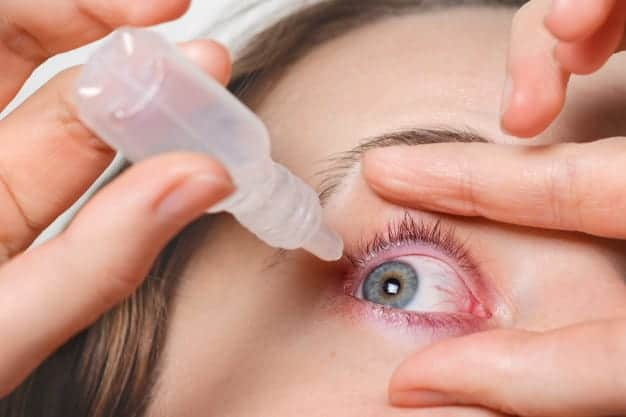
1. Artificial Tears (Eye Drops)
Artificial tears are the most common treatment for dry eyes. These are special eye drops that help keep your eyes moist.
- They are available in pharmacies without prescription
- They give quick relief from burning and dryness
- They can be used multiple times a day
If your dryness is mild, artificial tears may solve the problem completely.
2. Warm Compress
A warm compress is a simple home remedy. You just need a clean cloth soaked in warm water.
How it helps:
- Improves oil flow in eyelids
- Reduces irritation
- Helps stabilize tears
Place the warm cloth over your closed eyes for 5–10 minutes daily.
3. Proper Screen Habits
One of the biggest causes of dry eyes today is screen usage. You can follow the “20-20-20 rule”:
Every 20 minutes, look at something 20 feet away for at least 20 seconds.
Also:
- Blink more often
- Adjust screen brightness
- Keep screen slightly below eye level
These small changes can make a big difference.
4. Stay Hydrated
Drinking enough water is very important for eye health. When your body is dehydrated, tear production also decreases.
Try to drink 7–8 glasses of water daily.
5. Use a Humidifier
If your environment is dry (especially in air-conditioned rooms), a humidifier can help add moisture to the air and prevent your eyes from drying out.
6. Healthy Diet for Eye Health
Food plays an important role in eye health. Include:
- Omega-3 fatty acids (fish, walnuts, flaxseeds)
- Green vegetables (spinach, kale)
- Fruits rich in vitamin A and C (carrots, oranges, mangoes)
These nutrients help improve tear quality and reduce irritation.
7. Avoid Eye Irritants
Try to avoid:
- Cigarette smoke
- Dusty environments
- Strong wind without protection
- Rubbing your eyes frequently
These can make dryness worse.
8. Eyelid Hygiene
Sometimes dry eyes are caused by blocked oil glands in the eyelids. Cleaning your eyelids gently with warm water or special eyelid wipes can help improve the condition.
9. Prescription Treatments
If your dry eyes are severe, a doctor may prescribe:
- Anti-inflammatory eye drops
- Special gel-based lubricants
- Medicines that improve tear production
- Temporary or permanent punctal plugs (tiny devices that reduce tear drainage)
Always consult an eye specialist before using strong medications.
10. Rest Your Eyes
Your eyes also need rest. Try:
- Sleeping 7–8 hours daily
- Taking breaks from reading or screens
- Avoiding overuse of contact lenses
Good rest allows your eyes to recover naturally.
When to See a Doctor?
You should visit an eye specialist if:
- Symptoms last more than a few days
- Eye pain becomes severe
- Vision becomes blurry frequently
- Over-the-counter drops do not help
- Eyes become very red or swollen
Early treatment can prevent complications.
Final Thoughts
Dry eyes and irritation may seem like a small issue, but they can affect your daily comfort and productivity. The good news is that in most cases, the condition is treatable and manageable with simple lifestyle changes, proper care, and sometimes medication.
By using artificial tears, improving screen habits, staying hydrated, and protecting your eyes from irritation, you can keep your eyes healthy and comfortable.
Remember, your eyes work hard every second of the day—taking care of them is not optional, it is essential.
FAQs About Dry Eyes and Irritation
1. What is the fastest relief for dry eyes?
Artificial tear eye drops give the fastest relief. They immediately add moisture and reduce burning or irritation.
2. Can dry eyes be cured permanently?
In many cases, dry eyes can be managed but not always fully cured. With proper care and treatment, symptoms can be greatly reduced or controlled.
3. Does drinking water help dry eyes?
Yes, staying hydrated helps improve tear production and reduces dryness over time.
4. Are screen devices the main cause of dry eyes?
Yes, long screen time reduces blinking, which is one of the biggest modern causes of dry eye irritation.
5. Is it safe to use eye drops daily?
Yes, most artificial tears are safe for daily use. However, medicated drops should only be used under a doctor’s advice.