What To Do After a Glaucoma Diagnosis
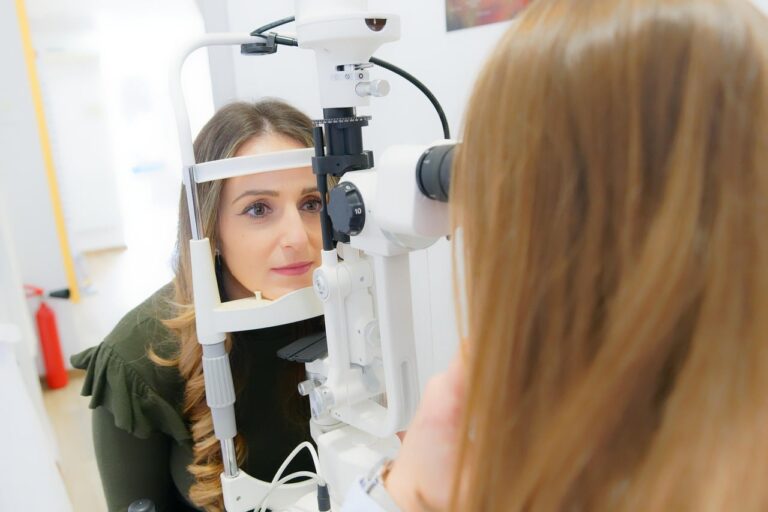
Glaucoma is a group of eye conditions that damage the optic nerve, often due to elevated pressure inside the eye. This nerve carries visual information from the eye to the brain, and damage to it can affect your vision over time. Eye doctors diagnose glaucoma through a combination of tests. These may include measuring intraocular pressure (tonometry), examining the optic nerve, testing your peripheral vision (visual field testing), and imaging the nerve fibers. A diagnosis is the first step toward understanding your treatment options. Here’s what to do after receiving a glaucoma diagnosis:
Lower Ocular Pressure
Reducing intraocular pressure is a common early focus after a glaucoma diagnosis. Many doctors begin with prescription eye drops, which aim to either reduce the amount of fluid the eye produces or improve how that fluid drains. Different classes of drops work in different ways, and your doctor selects a regimen based on your condition and needs. Selective laser trabeculoplasty (SLT) is another approach that some doctors recommend. During this in-office procedure, a laser targets the drainage tissue in the eye to help improve fluid outflow. SLT may be used on its own or combined with prescription drops for patients who need additional pressure control.
Minimally Invasive Glaucoma Surgery
Minimally invasive surgical techniques often need shorter recovery times than traditional surgery, which is why many eye surgeries use them when possible. Minimally invasive glaucoma surgery (MIGS) includes a range of procedures that aim to lower eye pressure with smaller incisions. MIGS techniques work by creating new pathways for fluid to drain, often by widening existing channels. This category continues to expand as new devices and methods become available, and many people benefit from:
- Shorter Procedures
- Less Healthy Tissue Damage
- Reduced Recovery Times
These procedures are frequently performed alongside cataract surgery, though they can also be done on their own.
Advanced Cases
For advanced glaucoma or cases that don’t respond well to less invasive treatments, doctors may discuss more extensive surgical options. These procedures are reserved for situations where other treatments have not achieved the desired pressure levels, and your surgeon will explain their recommendation to you. One option is gel stent implantation, where a small tube is placed to help fluid drain and reduce eye pressure.
Trabeculectomy is another established surgical procedure. During this operation, the surgeon creates a new drainage channel that allows fluid to leave the eye, forming a small reservoir. This reservoir is beneath the tissue covering the white of the eye. For people who need more eye drainage, glaucoma drainage device surgery involves placing a small implant that helps redirect fluid away from the eye to lower pressure.
Manage Your Glaucoma Effectively
Because glaucoma often progresses gradually and may not cause noticeable symptoms early on, regular monitoring is necessary for long-term management. Attending scheduled appointments allows your doctor to track changes in your eye pressure, optic nerve, and visual field over time. With attentive management and ongoing medical collaboration, you can take meaningful steps to protect your vision. If you have questions about your medications, test results, or treatment plan, contact an eye surgeon to schedule a consultation.