Enhancing Recovery With Platelet Rich Plasma Therapy
Platelet rich plasma (PRP) therapy is a minimally invasive treatment, and it uses a concentrated solution of a patient’s own platelets to accelerate healing and reduce pain. It stimulates the body’s natural repair processes, supporting recovery from conditions such as joint injuries, tendon damage, and chronic pain. Here is more information on what platelet rich plasma therapy is, who benefits from it, and what the recovery process looks like:
What Is Platelet Rich Plasma Therapy?
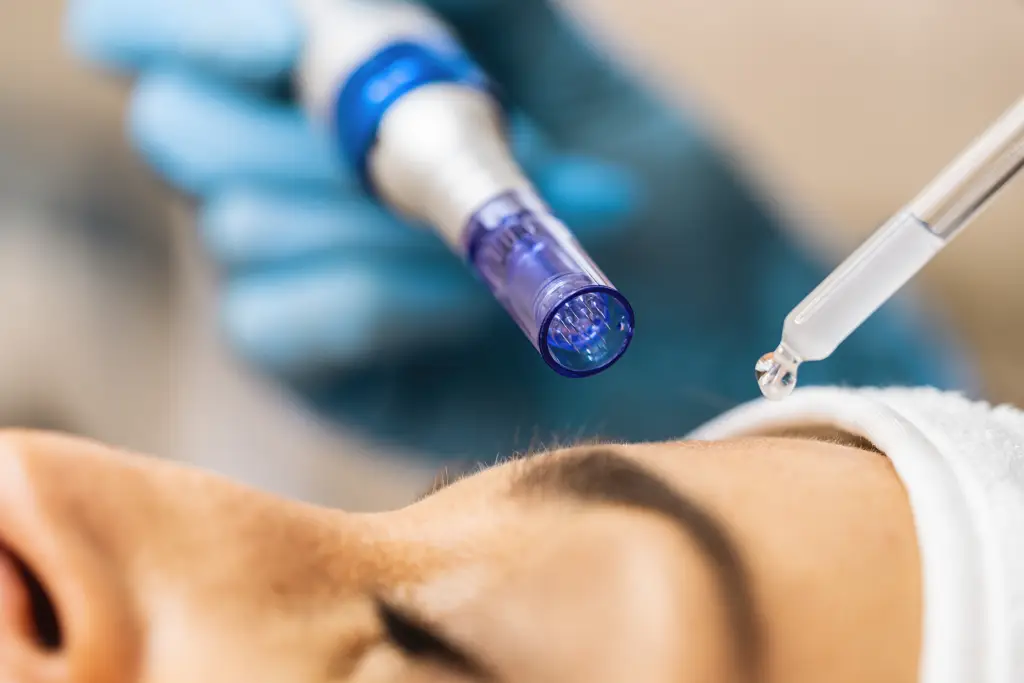
Platelet rich plasma therapy is a regenerative medical treatment derived from the patient’s own blood. A small blood sample is drawn, and then it is processed in a centrifuge to concentrate platelets, which contain growth factors responsible for tissue repair. The resulting plasma solution is injected directly into the affected area, promoting healing at the cellular level.
PRP therapy relies on the body’s own biology rather than synthetic compounds, which distinguishes it from some conventional pain treatments. Growth factors in the concentrated plasma signal the surrounding tissue to regenerate, reduce inflammation, and rebuild damaged structures. The procedure is performed in a clinical setting, and it typically takes about an hour.
Who Does PRP Therapy Help?
PRP therapy is primarily used for musculoskeletal conditions, where tissue damage and inflammation are the underlying causes of pain. Patients dealing with tendon injuries, ligament tears, osteoarthritis, and joint degeneration are common candidates, and those who have not responded adequately to physical therapy or anti-inflammatory medications may also be referred for PRP treatment. The therapy is particularly relevant for pain management patients seeking alternatives to surgical intervention. A physician will assess a patient’s injury history, imaging results, and overall health before recommending PRP as a treatment option.
How Is Recovery Enhanced?
PRP therapy enhances recovery by delivering a high concentration of growth factors directly to the site of injury. These growth factors stimulate cellular proliferation, and they promote collagen synthesis. Collagen is the structural protein that forms tendons, ligaments, and cartilage, making its regeneration central to musculoskeletal recovery.
After the injection, the body’s natural repair response is amplified rather than suppressed. This is a key distinction from corticosteroids, which primarily reduce inflammation but do not rebuild tissue. PRP addresses the underlying structural damage; this may lead to more durable recovery outcomes over time.
What Are the Benefits?
The benefits of PRP therapy span both the clinical and practical dimensions of pain management. Since the treatment uses the patient’s own blood, the risk of allergic reaction or rejection is minimal. The procedure is performed on an outpatient basis, meaning patients can return home the same day. Key benefits associated with PRP therapy include:
- Reduced reliance on pain medication: By targeting the source of tissue damage, PRP may decrease the need for long-term opioid medication.
- Minimally invasive procedure: PRP injections carry fewer risks than surgical options and require no general anesthesia.
- Potential for long-term tissue repair: Growth factor activity continues after the injection, supporting sustained healing.
Enhance Your Recovery Now
PRP therapy represents a focused, biologically grounded approach to pain management and tissue repair. By concentrating the body’s own healing agents and delivering them precisely where they are needed, PRP supports recovery in ways that some conventional treatments cannot. Pain management patients dealing with chronic joint pain, tendon injuries, or post-surgical recovery may find PRP a valuable option; a thorough clinical assessment will clarify whether PRP is appropriate for each specific case.