Recognizing Symptoms of Gallbladder Issues Before Removal
Gallbladder issues occur when conditions such as gallstones, inflammation, or blocked bile ducts affect the organ’s normal function. Symptoms may include upper abdominal pain, nausea, or discomfort after eating fatty foods. Here’s more information on recognizing gallbladder issues before a gallbladder removal:
Recognizing Gallbladder Symptoms
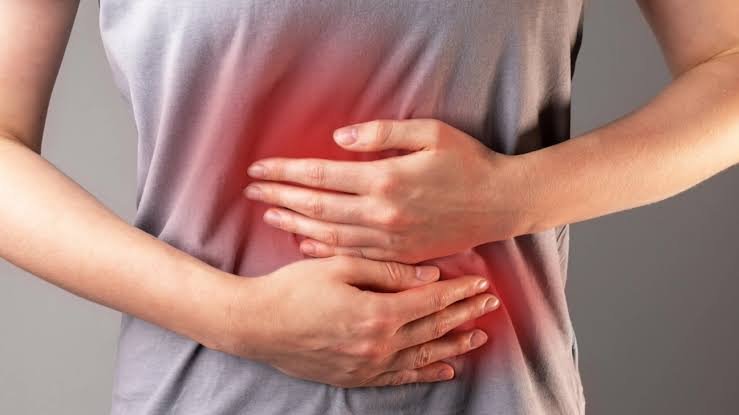
Gallbladder problems often begin quietly, but they tend to become more noticeable over time. You may feel a dull ache or sharp pain in the upper right side of your abdomen, and this discomfort frequently appears after eating fatty or greasy meals. The pain can spread to your back or right shoulder blade, which sometimes makes people mistake it for a muscle strain.
Other signs point toward a struggling gallbladder, and paying attention to them helps you act sooner. Nausea and bloating are common, especially after large meals, and some people experience frequent burping or indigestion that does not fade. When these symptoms are persistent, you should contemplate speaking with a doctor to determine whether a gallbladder removal is necessary.
Identifying Signs of Gallstone Blockage
Gallstones can lodge in the ducts that carry bile, and a blockage creates distinct symptoms that differ from mild irritation. Watch for the following signs:
- Intense pain: A blockage usually triggers sharp pain that lasts for several hours rather than fading quickly, and it often centers in the upper abdomen.
- Jaundice: Your skin and the whites of your eyes may turn yellow when bile cannot drain.
- Dark urine: Blocked bile can make your urine appear noticeably darker, and this change often happens alongside other symptoms.
- Pale or clay-colored stools: When bile does not reach your intestines, stools lose their usual color, and this change points toward an obstruction.
- Persistent nausea and vomiting: A trapped stone can leave you feeling sick for extended periods, and vomiting may accompany the discomfort.
These symptoms can appear suddenly, and they may worsen without treatment.
Detecting Possible Infection
An untreated blockage sometimes leads to infection, and this condition demands quick attention. A fever combined with chills often signals that inflammation has progressed, and the pain in your upper right abdomen may become more severe than before. You may also notice a rapid heartbeat, and your abdomen becomes tender to the touch. Infection symptoms tend to escalate faster than everyday gallbladder discomfort, so timing matters. Doctors watch for these warning signs closely, and they often recommend gallbladder removal to prevent complications.
Choosing Gallbladder Removal
Doctors evaluate several factors before suggesting surgery, and understanding these can help you feel prepared for the discussion. The following situations often lead physicians to recommend gallbladder removal:
- Recurring gallstone attacks: When gallstones cause repeated episodes of pain, doctors frequently advise removal to prevent future flare-ups.
- Confirmed infection or inflammation: An inflamed or infected gallbladder rarely heals on its own, and surgery removes the source of the problem.
- Blocked bile ducts: A stone that repeatedly obstructs bile flow raises the risk of serious complications, and removal clears that risk.
- Poor gallbladder function: Tests may show that the organ empties bile too slowly, and this dysfunction can justify surgery even without stones.
- Persistent symptoms affecting daily life: When ongoing pain, nausea, or digestive trouble disrupts your routine, doctors contemplate removal as a lasting solution.
Each case is unique, and your doctor will review your history, test results, and symptoms.
Learn More About Gallbladder Removal
Gallbladder issues often begin with mild discomfort, but they can progress to blockages and infections that require surgery. Knowing the common symptoms, identifying the signs of a blockage, and recognizing an infection will help you respond appropriately. Contact a qualified general surgeon near you to schedule your appointment and learn more about gallbladder removal today.