Key Differences Between Urgent Care and Primary Care Services
Urgent care and primary care serve distinct roles within the healthcare system. Understanding each one helps you decide where to go when a health concern arises. Primary care focuses on ongoing, preventive relationships with a provider who knows your history, while urgent care handles unexpected issues that need prompt attention but are not life-threatening. Knowing when to use each resource can help you get timely care, and it also helps you access the right level of treatment for your specific situation. Here is more information about the differences among emergency care, urgent care, and primary care:
What Is An Emergency?
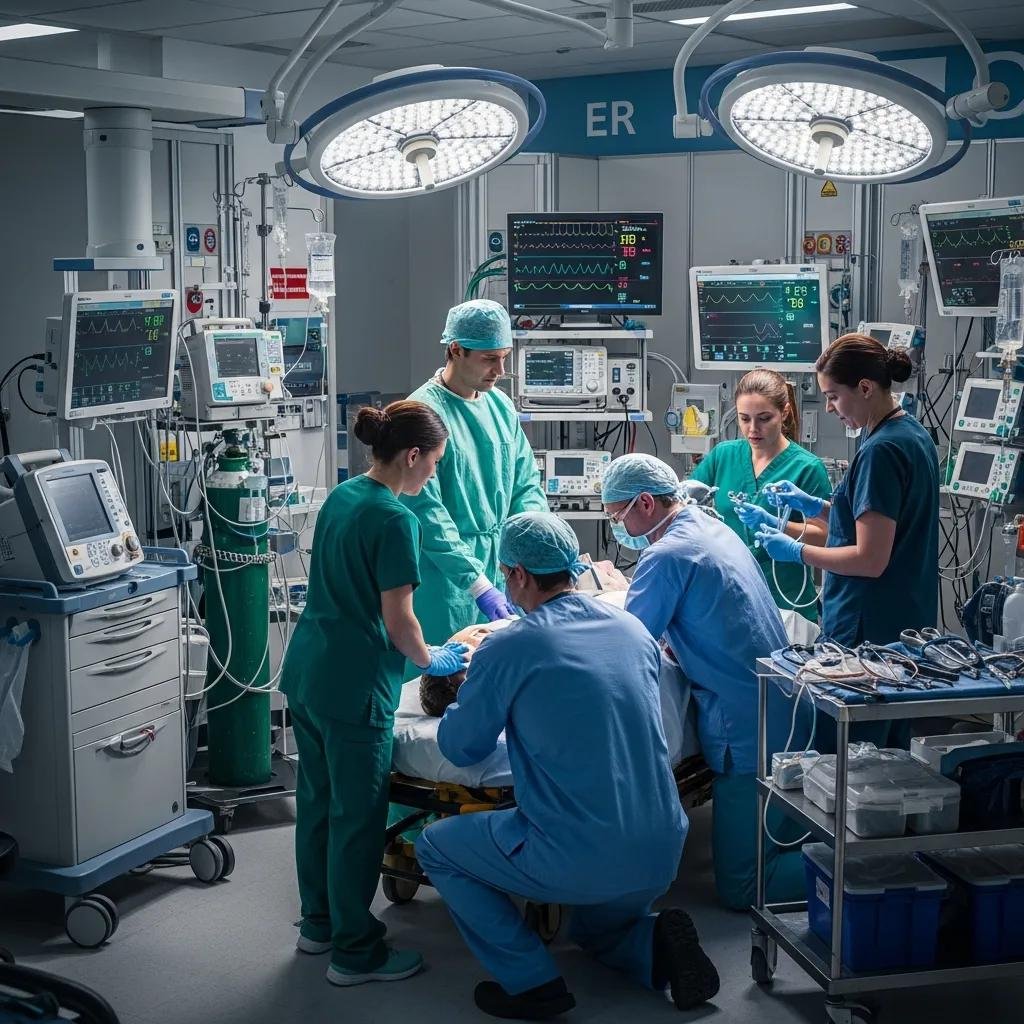
An emergency is a sudden medical situation that poses an immediate risk to a person’s life or long-term health. Examples often include chest pain, difficulty breathing, severe bleeding, or signs of a stroke; these situations typically require immediate attention. Emergency departments operate around the clock. They have equipment to treat serious conditions because the goal is stabilizing patients who face serious conditions or physical trauma. When someone experiences a possible emergency, calling 911 or going directly to an emergency room is generally the recommended course of action rather than seeking a lower level of care, such as urgent care.
What Is Urgent Care?
Urgent care fills the space between routine appointments and emergency treatment. These centers address health concerns that need same-day attention yet do not appear to be life-threatening, and they often operate during extended hours including evenings and weekends. Common reasons people visit include:
- Minor fractures
- Sprains
- Mild infections
- Cuts that may require stitches
- Cough and sore throat
Because urgent care clinics accept walk-in patients, they can be a practical option when your regular provider is unavailable. Wait times may be shorter than those in an emergency room; many locations offer on-site services such as X-rays and basic laboratory testing.
What Is Primary Care?
Primary care centers on a long-term relationship between you and a provider who oversees your general health. This provider may be a family physician, an internist, or another clinician who manages preventive visits and coordination with specialists. Because your primary care provider maintains a record of your medical history, they can track changes over time and offer guidance based on your individual background. Appointments usually require scheduling in advance, and this structure supports planned care such as:
- Annual check-ups
- Vaccinations
- Monitoring of ongoing conditions
- Prescription renewals
- Cancer screenings
- Weight loss assistance
Primary care also plays a role in continuity of care, meaning your provider stays involved across multiple life stages. This consistency can be beneficial for managing chronic conditions, and it supports a broader understanding of your overall wellness rather than a single isolated visit.
Get the Care You Need
Choosing among these services depends largely on the nature and timing of your concern. Matching your situation to the appropriate resource can help you receive suitable care; this care comes in a more timely manner. If you want to learn more about when to use which care resources, consult a healthcare provider near you.