Questions to Ask Your Neurosurgeon Before Brain Tumor Surgery
Brain surgery is a procedure that involves operating on tissue inside the skull to remove or treat an abnormal growth. A patient with a brain tumor diagnosis often meets with a neurosurgeon, and that helps with preparation for the procedure. Before surgery, patients can ask questions about the procedure and any other concerns. A conversation before the operation clarifies the goals of treatment, the procedure plan, and recovery once the surgery ends.
How Long Will Recovery Be?
Recovery time depends on the nature of the tumor, and the surgeon can explain how those factors shape the timeline. Healing after brain surgery often takes weeks. Because each case differs, a patient may have a longer hospital stay than other patients. The medical team usually outlines the early phase, which covers monitoring, rest, and the gradual return to normal activity.
Recovery often involves rehabilitation, and the surgeon can describe whether physical therapy or speech therapy is part of the plan. Some patients regain function quickly through these measures. When a patient understands the expectations for follow-up visits, the timeline becomes easier to track and plan around. The discussion may also cover warning signs that require additional treatment.
What Is the Surgical Plan?
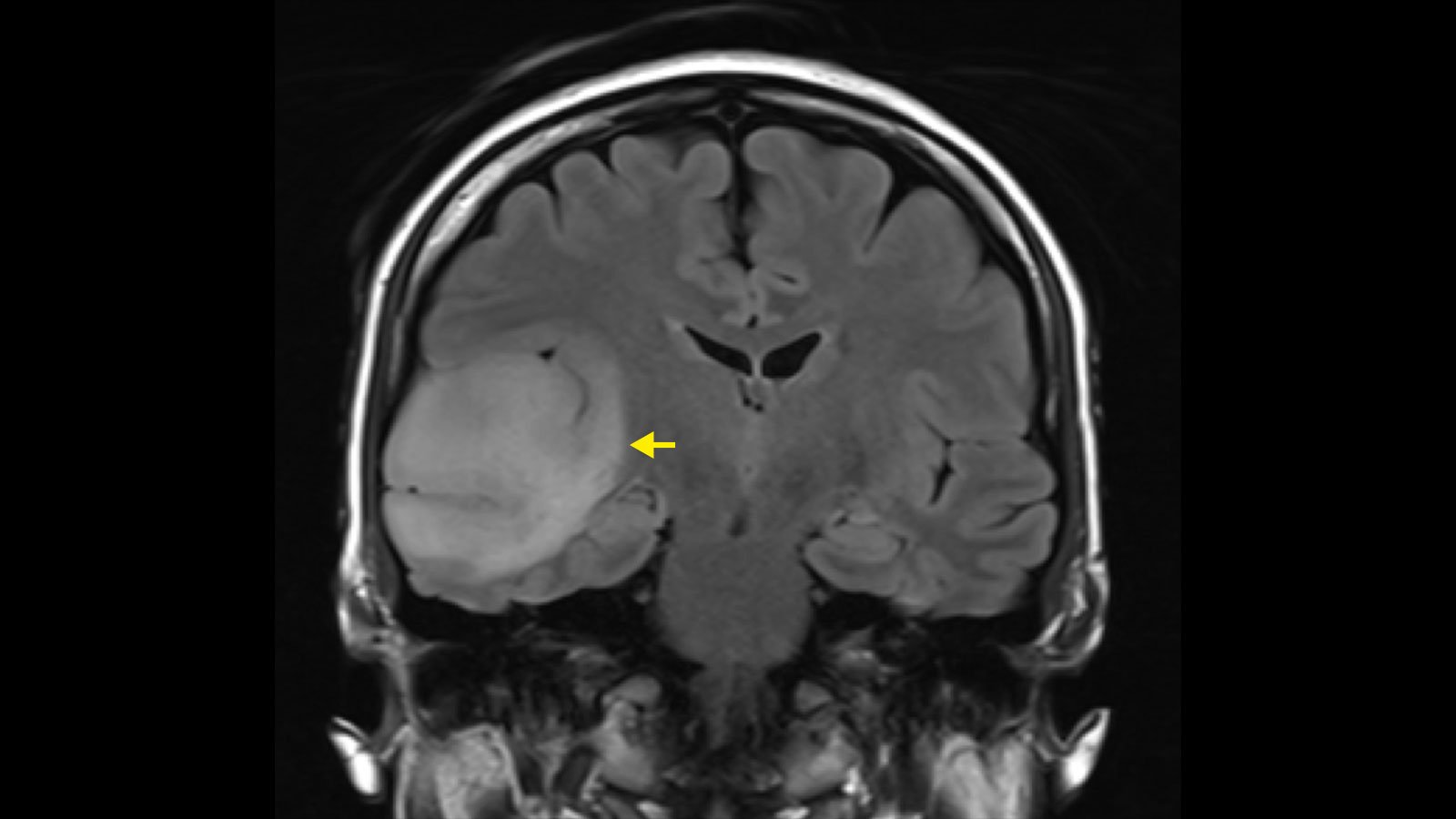
When the surgeon studies imaging scans before the procedure, the plan can take into account the position of the tumor and the structures nearby. The team selects an approach that suits the type and location of the tumor. Because the brain controls movement, speech, and memory, a patient who asks about the surgical method gains insight into how the surgeon protects healthy tissue during the operation. Clear answers about the technique reduce uncertainty about surgical procedures.
Will I Need More Treatment?
Surgery often removes a tumor or part of it, and the results of the operation guide any further care that follows. Some growths require additional steps before treatment is finished. When a sample of tissue is examined in a laboratory, the findings help the team decide whether radiation or medication may follow. The surgeon can describe how those results shape the next phase of care and whether there are multiple options available.
A patient who asks about long-term monitoring learns how often scans will take place after surgery. Follow-up matters to monitor the health of an individual’s brain. Because tumors vary in type and behavior, the schedule of imaging differs from one patient to the next, and the surgeon explains the reasoning behind each appointment. These visits track changes over time, which can inform doctors if tumors return.
A conversation with the doctor also often covers the role of other specialists, and the surgeon can recommend the experts who join the care team. A coordinated plan links each provider to create a more complete plan. When a patient understands how the team communicates, the path through treatment feels more organized.
Meet With a Brain Surgery Specialist
A brain tumor diagnosis often raises many practical questions, and a consultation with a neurosurgeon can provide answers for patients. Because a clear conversation also covers the surgical plan and following treatment, a patient who asks questions often leaves the appointment with clearer expectations. Schedule a consultation with a brain surgery specialist to review the diagnosis and discuss the available options.