Understanding Cataract Surgery
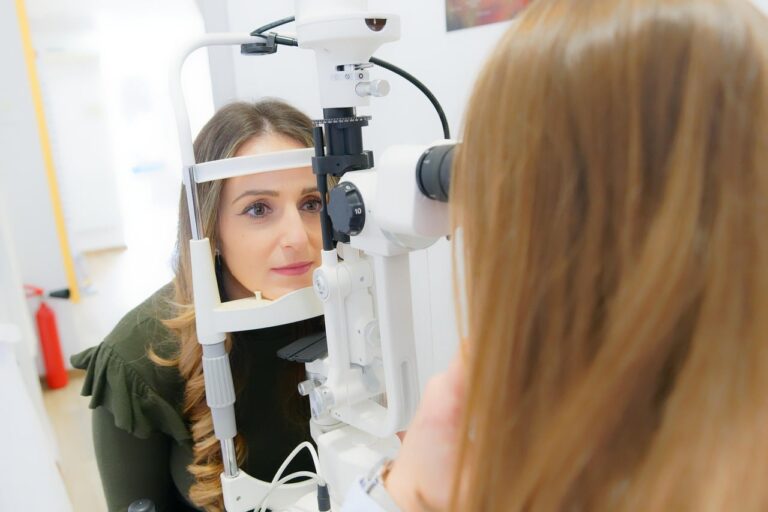
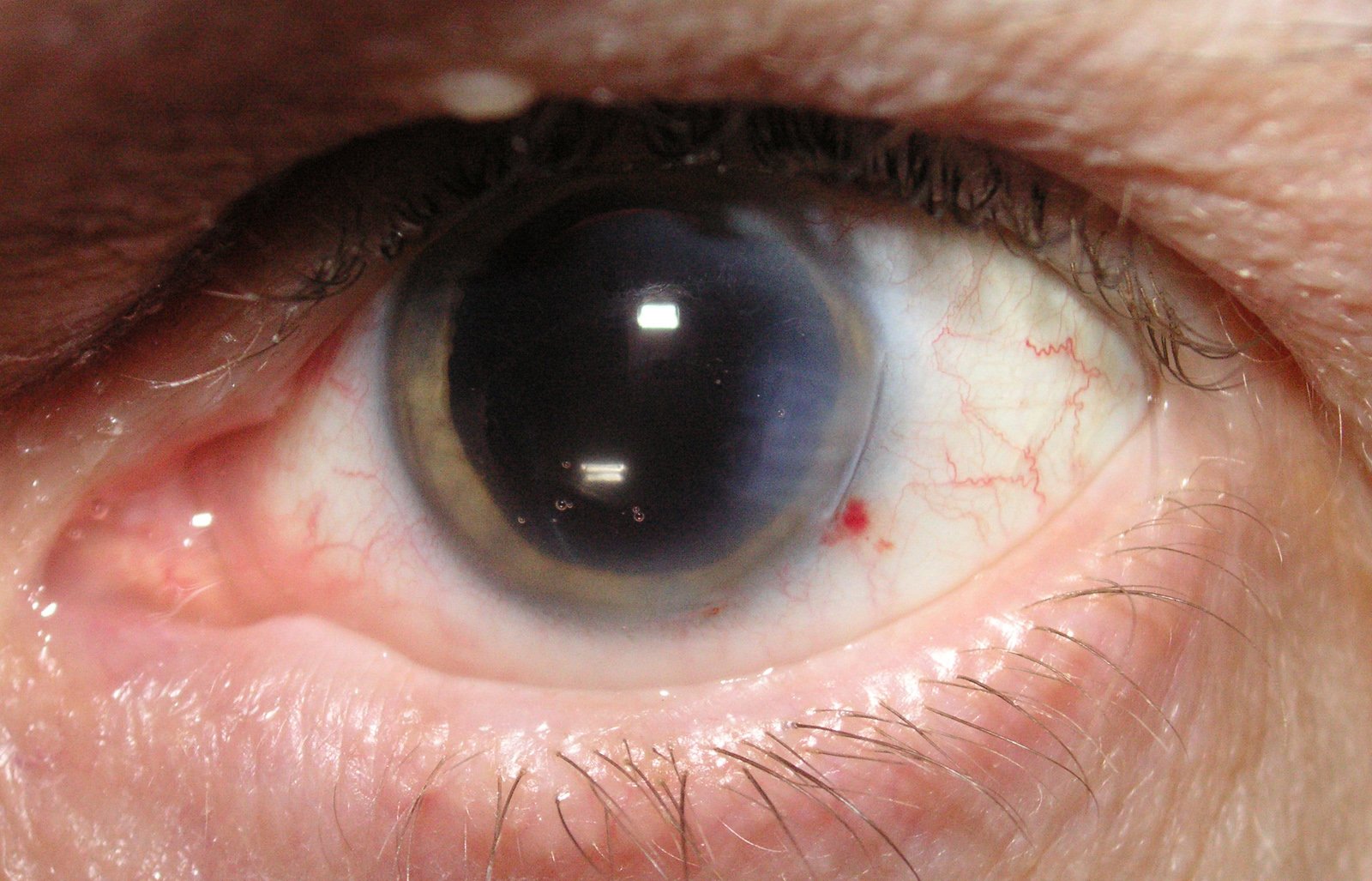
Cataract surgery is when the cloudy lens of your eye is replaced with an artificial one. Before your surgery, your doctor will conduct an eye examination to determine the severity of your condition. The surgery improves color vibrancy and light visibility, potentially helping improve night vision. Here are a few advantages of cataract surgery:
Restore Vision Clarity
When you undergo surgery to remove cataracts, your vision clarity often improves. Cataracts interfere with vision by causing blurriness and increased sensitivity to light, and in some cases, they lead to double vision. As they progress, everyday tasks become more difficult, from reading small print to driving at night.
During cataract surgery, the cloudy lens is removed and replaced with an artificial one, allowing light to pass through and focus properly on the retina. Vision typically becomes sharper, making daily activities easier to manage. Modern techniques also improve contrast, helping you distinguish details across different lighting conditions. Clearer vision supports safer movement and reduces strain caused by impaired sight, especially when combined with regular follow-up care from your ophthalmologist.
Improve Color Perception
As cataracts develop, they change how light passes through the eye, which affects how colors are perceived. Colors may appear less vivid or slightly faded over time because the natural lens becomes cloudy and alters how visual information reaches the retina. Cataract surgery replaces the cloudy lens with a clear artificial one, allowing light to pass through more effectively; this helps restore a more natural appearance of colors after the procedure. Cataracts often cause the lens to yellow, which reduces color accuracy and makes shades look dull or muted, while also lowering contrast and overall visual clarity.
Enhance Night Vision
Driving at night often becomes more difficult when cataracts affect vision. Glare from headlights and streetlights reduces clarity and makes it harder to stay focused on the road. As the condition progresses, low-light environments may feel more challenging, and objects appear less distinct or harder to track while driving.
After surgery, the cloudy lens is replaced with a clear artificial one, which helps reduce glare and improve how light enters the eye. This change often leads to better visibility in dim conditions, allowing you to see road signs, lane markings, and other vehicles more clearly at night. Improved clarity also supports better depth perception, making it easier to judge distances between objects on the road.
These visual improvements contribute to increased control while driving, especially in situations that require quick visual adjustments. With the clouded lens removed, everyday tasks such as reading books, newspapers, or using a smartphone become easier and more comfortable. Depending on the type of lens selected, some people rely less on glasses after surgery, particularly for certain distances, like reading or driving. Clearer vision also helps reduce eye strain, allowing for longer periods of focus without discomfort following the procedure.
Support Daily Visual Tasks
With clearer vision, everyday tasks such as viewing small details become easier to manage. Cataracts often make both close-up and distance activities more difficult by clouding the lens and interfering with focus. Cataract surgery addresses this issue by restoring a clear visual pathway, which improves how details are seen at different distances. The effort required to focus is reduced, easing eye strain that develops when vision is impaired.
Seek Professional Cataract Surgery
Cataract surgery addresses vision changes caused by a clouded lens and helps restore clearer sight. If you are experiencing the symptoms of cataracts, consult an eye specialist to determine the most appropriate next steps. They will help tailor a treatment plan to your goals. Schedule your appointment with an eye doctor in your area today.