Effective Strategies for Chronic Wound Care
Slow-healing wounds can increase the risk of infection and other complications. When a wound does not heal properly, the surrounding tissue is able to become vulnerable to further damage. Chronic wounds often require specialized care that addresses both the wound and any underlying health conditions affecting recovery. Understanding effective wound care strategies helps support healing and reduce the likelihood of complications. Here is more information on effective strategies for chronic wound care:
Spotting Warning Signs
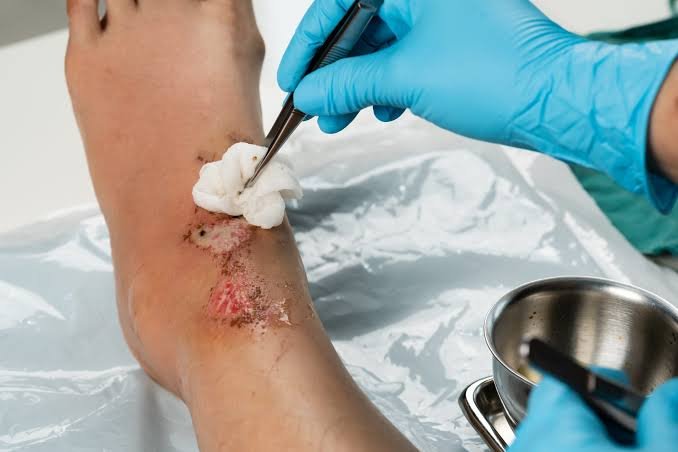
A wound that does not progress through the normal healing process may indicate an underlying problem. Warning signs often include:
- Increasing pain
- Persistent swelling
- Redness
- Foul odor
- Unusual drainage
Suggest that the wound requires further attention. Monitoring these symptoms helps identify potential complications before they become more serious. Changes in the wound’s appearance or condition should not be ignored.
Most wounds show gradual improvement within the first few weeks of healing. When a wound fails to improve after two weeks or remains unhealed after 30 days, professional evaluation is appropriate. A persistent fever or other signs of infection can increase the need for prompt medical assessment. Early intervention helps support healing and reduce the risk of additional complications.
Supporting Blood Flow
Blood supply plays a role in every stage of wound healing by delivering oxygen, nutrients, white blood cells, platelets, and stem cells to damaged tissue. When circulation is reduced, the healing process slows because the wound does not receive the resources it needs to repair itself. Poor blood flow is one of the most common reasons wounds fail to heal properly or become chronic.
Several factors can increase the risk of impaired healing. These include high blood pressure and vascular disease. Other contributing factors include nutritional deficiencies, low oxygen levels in the blood, and diabetes.
Diabetes requires special attention because elevated blood sugar can damage small blood vessels and nerves, which further reduces circulation and weakens the immune response. For this reason, wounds in patients with diabetes often require evaluation and management by a wound care specialist.
Choosing Advanced Treatments
Comprehensive wound care selects therapies based on the wound type, severity, and healing progress. Treatment options often include diagnostic tools like Doppler assessment, specialized dressings, compression therapy, and negative pressure wound therapy. In more complex cases, providers may recommend advanced interventions to support healing and reduce complications. The goal of every treatment approach is to promote faster and safer recovery. Advanced treatments include:
- Sharp surgical debridement
- Split-thickness skin grafts
- Bioengineered skin substitutes
Managing Care at Home
Daily habits play a key role in how well a wound heals over time. Proper nutrition supports tissue repair, while stable blood sugar levels help protect blood vessels and nerves that are helpful for recovery. Small, consistent choices made each day are able to influence healing progress over several weeks. A comprehensive care plan often includes education and coaching to support at-home wound management. This may involve nutrition guidance, diabetes education, and step-by-step instructions for dressing and caring for the wound between visits, helping patients maintain steady progress outside the clinic.
Schedule Your Wound Care Today
Stubborn wounds can worsen when left untreated, especially when healing slows or complications develop. Early evaluation by a wound care specialist helps identify the cause and guides appropriate treatment. A personalized care plan supports healing based on your specific condition and health needs. Schedule an evaluation today to begin a treatment plan designed for your recovery.