The Role of Physical Therapy in Managing Leg Pain
Leg pain can result from injuries, muscle strains, joint conditions, nerve issues, or circulatory issues that affect mobility and daily comfort. Physical therapy may help identify contributing factors, improve strength and flexibility, and support safer movement through a personalized treatment plan. Here is a closer look at the role of physical therapy in managing leg pain:
Identifying Causes of Pain
A therapist begins by looking at what is driving your leg pain. Identifying the source is a key first step that influences the rest of the plan. Here are common factors a therapist may review:
- Muscle strain or overuse: Repeated activity can tighten or irritate muscles, often leading to soreness in the calves or thighs.
- Joint issues: Problems in the hip, knee, or ankle may change how you move and place extra stress on your legs.
- Nerve involvement: Pressure on a nerve can cause pain to radiate down the leg and lead to tingling or weakness.
- Poor posture or alignment: Daily habits, such as standing or sitting incorrectly, can strain the legs over time.
Understanding these potential causes can help identify the source of leg pain and guide appropriate treatment or preventive measures.
Restoring Strength and Movement
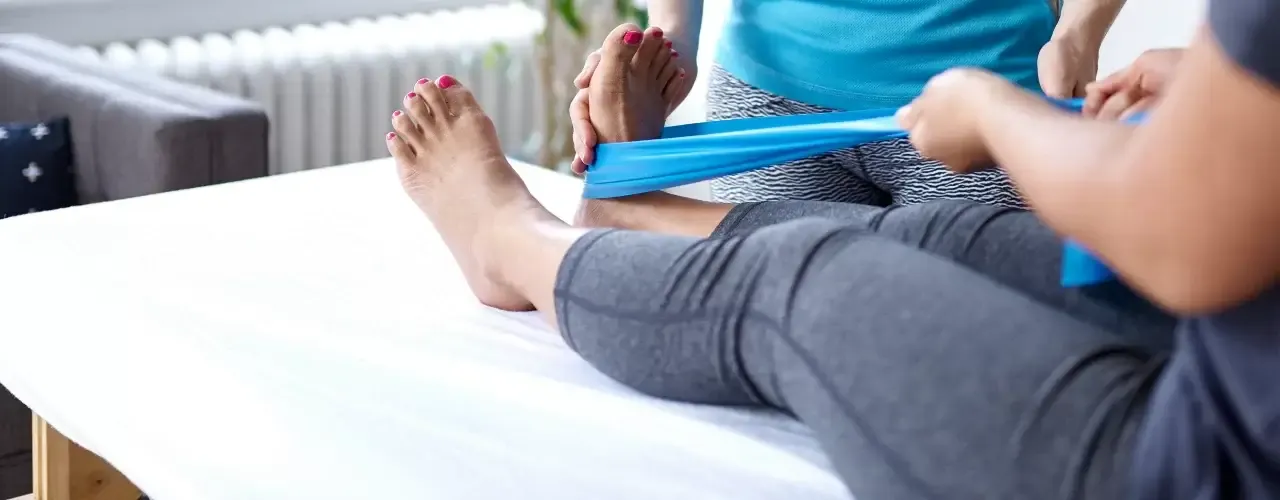
After the cause becomes clear, the focus shifts toward rebuilding function. A therapist designs exercises that target weak or tight areas, and these movements can support the muscles around the painful area. Movement training also plays a significant part in this stage. The therapist may guide you through walking patterns, balance drills, and range-of-motion exercises, each building toward regular movement. These activities progress gradually, so your body adapts at a safe pace. The therapist may assign home exercises, and they often track your progress at each visit.
Using Targeted Relief Techniques
Beyond exercise, therapists use hands-on and equipment-based methods to ease leg pain. These techniques work alongside movement training, and they support the overall plan. Here are some of the relief methods therapists use:
- Manual therapy: A therapist uses their hands to move joints and soft tissues to reduce stiffness.
- Heat and cold application: Warmth may relax tight muscles, while cold often calms swelling after activity.
- Electrical stimulation: Gentle electrical pulses target sore areas to help manage discomfort.
- Massage techniques: Applying focused pressure to muscles may help release tension and improve circulation in the legs.
- Taping or bracing: Supportive tape or braces guide movement, and they help protect healing tissue.
These combined approaches support a comprehensive and tailored rehabilitation process, promoting optimal recovery and functionality.
Preventing Future Pain Episodes
A therapist often teaches habits that reduce the risk of recurrent leg pain, and these lessons carry over into daily life. You may learn how to warm up before an activity, and how to cool down afterward. Posture and body mechanics receive attention during this stage. The therapist shows you how to lift objects safely and how to sit or stand without straining the legs. Ongoing movement remains a fundamental part of prevention. The therapist may recommend a routine that keeps muscles strong and flexible, and they often adjust it as your fitness improves.
Get Help for Leg Pain
Physical therapy provides a structured approach to managing leg discomfort. It covers identifying the cause, restoring function, applying relief techniques, and preventing future episodes. Prioritizing supportive footwear, proper movement, and tailored routines can significantly reduce strain and prevent flare-ups. Contact a qualified pain specialist near you to book your appointment and get professional help for leg pain today.