Understanding Triggers of Skin Allergies
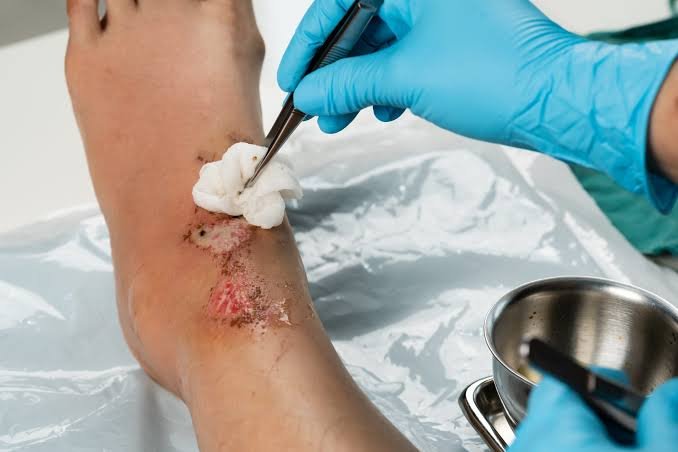
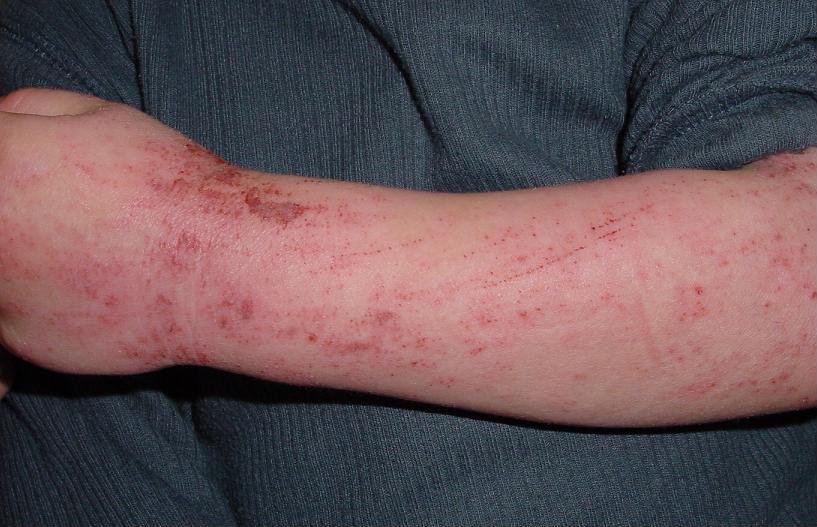
A skin allergy occurs when your immune system reacts to a substance, and your body treats it as harmful. You might notice redness, itching, or small bumps after contact with a trigger. Many everyday items cause these reactions, and knowing which ones affect you helps you avoid them. Here are several major triggers so you know what to watch for:
Nickel Alloys
Nickel shows up in jewelry, belt buckles, and zippers. It is a major cause of contact dermatitis. A reaction typically appears where the metal touches your skin, and the spot may turn red or scaly. Watch pieces that sit against your skin for hours, since prolonged contact raises your risk of a skin allergy.
Some items hide nickel in places you might not expect. Coins, eyeglass frames, and phone cases may contain it. If a rash keeps returning near a specific object, that object could be the culprit.
Nickel sources include:
- Necklaces and earrings
- Watch backs and bands
- Snaps and buttons on clothing
Fragrant Products
Fragrances appear in soaps, lotions, and detergents. Your skin may react even when a product smells pleasant, because scent chemicals can trigger irritation. Unscented labels help, though “fragrance-free” is the safer wording to look for. Read ingredient lists closely before you buy.
Perfumes and colognes need extra attention. They contain concentrated scent compounds that settle directly on your skin. If you notice itching after applying a new product, stop using it and watch how your skin responds.
Certain Plants
Poison ivy, poison oak, and poison sumac produce an oil called urushiol. This oil clings to skin and clothing, and it spreads easily through touch. A rash can form within a day or two of contact. Wash the area with soap and water quickly to remove any lingering oil. Other plants irritate skin through their sap or tiny hairs.
Latex Rubber
Latex comes from the sap of rubber trees. You find it in gloves, balloons, and some medical supplies. A latex reaction may cause itching, hives, or swelling, and repeated exposure sometimes worsens the response. Tell your dentist or doctor if you suspect a latex allergy.
Synthetic alternatives exist for many latex products. Nitrile and vinyl gloves work well for people who react to natural rubber. If your hands feel itchy after wearing gloves, ask about these options.
Latex allergies can range from mild to severe, so recognizing symptoms early is helpful. Avoiding products that contain natural rubber is a simple way to prevent allergic reactions. Since latex is used in various everyday items, staying informed about alternatives can make managing this allergy much easier. Keep track of when your symptoms appear and what you touched beforehand.
Test for a Skin Allergy
A patch test gives you clearer answers, because a specialist applies small amounts of allergens to your skin. The results show which substances cause a reaction, and this method narrows down the cause faster than trial and error at home. Schedule an appointment with a dermatologist if rashes keep coming back. Testing helps you build a plan to avoid the triggers that bother your skin most.