The Link Between Proper Wound Care and Infection Prevention
Wound care is the process of cleaning, treating, and protecting an injury as it heals. This process covers everything from minor cuts to complex surgical or chronic wounds. Proper wound care is fundamental for healthy recoveries because it supports the body’s natural healing process while reducing the risk of complications. When a wound stays clean and protected, harmful bacteria have fewer opportunities to enter the body, making infection far less likely. Here’s information on podiatrists and how they provide wound care and prevent infections:
How Podiatrists Provide Wound Care
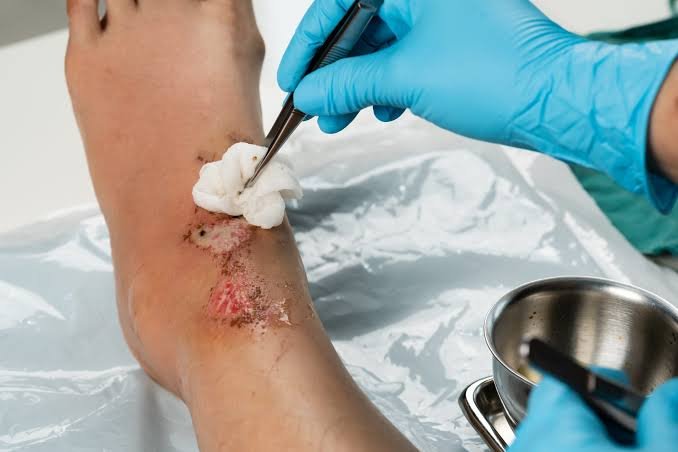
When patients arrive with wounds in these areas, podiatrists begin by examining the injury and assessing its depth, location, and overall condition. This examination helps them understand what type of treatment the wound needs. Wound care often starts with cleaning the wound to remove debris and reduce bacterial presence. After cleaning and sometimes debridement, they apply appropriate dressings that protect the area and help maintain a suitable healing environment. Throughout this process, podiatrists monitor the wound for early signs of infection, such as redness, swelling, or unusual discharge.
How Podiatrists Manage Diabetic Wounds
People with diabetes often face unique challenges when it comes to wound healing. Reduced circulation and nerve changes can slow the healing process, so these wounds require full and consistent attention. Pressure on a diabetic wound can interfere with healing, especially when the wound is on the bottom of the foot. Podiatrists may recommend special footwear, padding, or devices that redistribute weight away from the affected area. This approach, known as offloading, helps take stress off the wound so the tissue has a better chance to recover.
Because diabetes can affect blood flow and sensation, podiatrists pay close attention to circulation in the lower limbs. They may check for pulses, skin temperature, and color changes. Regular monitoring allows them to identify problems early and adjust the treatment plan when needed. Patients often receive advice on daily foot inspections so they can spot changes between visits.
How Podiatrists Follow-up
During follow-up visits, the podiatrist examines the wound to track its progress and check for any developing concerns. They compare the current condition to previous notes and evaluate whether the wound is responding to treatment. At each appointment, the podiatrist may:
- Clean the Wound Again
- Change the Dressing
- Perform Additional Debridement
They also review the patient’s home care routine and answer any questions about ongoing management. If the wound is healing slowly, the podiatrist may adjust the treatment plan or discuss additional options. The frequency of follow-up visits depends on the type and severity of the wound. Some patients return weekly, while others may need less frequent check-ins as the wound improves. These appointments give patients a consistent point of contact and offer reassurance throughout the recovery period.
Get Timely Wound Care
When a wound receives proper attention early, it has a better foundation for healing. Attending consistent follow-up appointments helps keep the process on track. Timely wound care plays a central role in supporting recovery and reducing the risk of infection. If you have a wound that is not healing as expected, or if you have diabetes and want support, schedule a consultation today. Podiatrists are a valuable resource for anyone dealing with lower leg, foot, or ankle injuries.