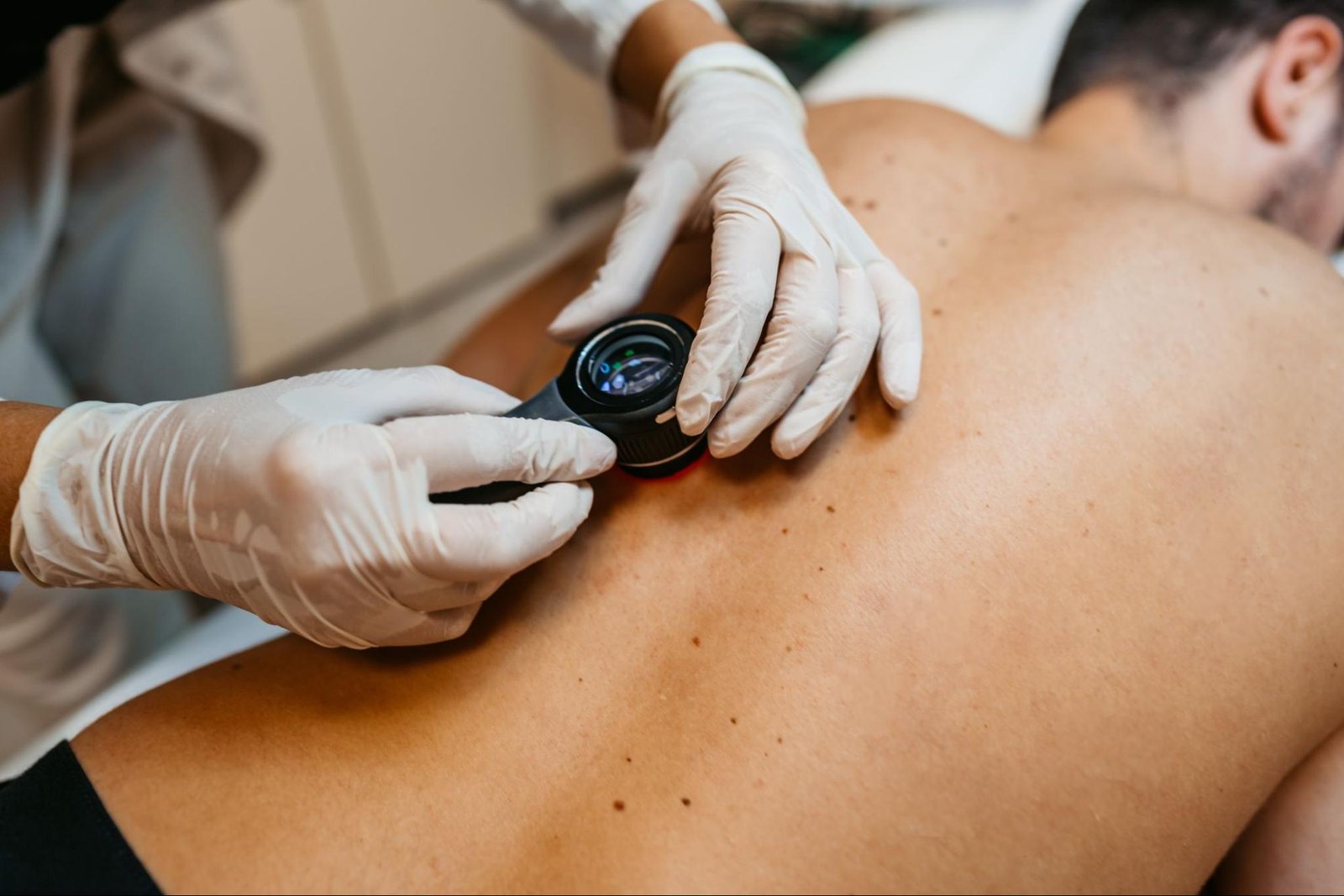
What Makes Mohs Surgery Unique in Skin Cancer Treatment?
Mohs skin cancer surgery is a precise method for treating certain skin cancers. It removes cancer in thin layers, and each layer is checked under a microscope right away. Because the surgeon reviews tissue during the procedure, treatment continues only where cancer remains.
Techniques Behind the Procedure
Mohs skin cancer surgery follows a step-by-step process. The surgeon first numbs the area with a local anesthetic. Your surgeon removes one thin layer of tissue at a time. The team examines each layer immediately, and they map exactly where any remaining cancer cells are. This map guides the next step. If cancer is still present, the surgeon removes another layer from that spot only, and this cycle repeats until the margins are clear.
You may wait between layers while the team reviews the tissue. By focusing on small layers, the surgeon preserves as much healthy tissue as possible. The team works methodically, reduces guesswork, and, by checking results on-site, avoids waiting days for outside lab reports. Your surgeon repairs the wound. The approach depends on the site’s size and location, so each session may differ.
Candidates for the Procedure
Some skin cancers respond especially well to this approach. Basal cell carcinoma and squamous cell carcinoma are the most common types treated this way, so discuss your options. Mohs surgery is often the right choice when a cancer shows certain patterns, such as:
- Unclear or hard-to-define edges that other methods struggle to confirm.
- Recurrent cancers that returned after earlier treatment.
- Tissue-sensitive areas, including the eyes, ears, nose, mouth, hands, feet, and genitals.
- Large or fast-growing cancers, including those with aggressive growth patterns.
In sensitive areas, sparing healthy tissue supports both function and appearance. Because the surgeon tracks each layer carefully, the method works well where precision is the priority. Your surgeon will review your diagnosis, and the location of the cancer also guides this choice. Margins are checked during surgery, so the team can respond immediately. If your cancer fits one of these patterns, your team may suggest this method. They will explain why it fits.
Benefits of the Procedure
The main benefit is precision, so the surgeon confirms clear margins before closing the wound. Cancer is checked during the procedure, so you leave with a clearer picture of your results. This same-day review means fewer return visits. It saves you time. Tissue preservation matters most on the face, hands, and feet. Sparing healthy tissue supports both function and appearance, and a smaller wound often means reduced scarring. The method also limits wound size, and with less healthy tissue removed, repair is often simpler. Accuracy can reduce the risk of cancer returning, and it sometimes lessens the need for more surgery. As part of surgical dermatology, Mohs surgery gives your team a controlled, evidence-based approach for difficult cases.
Discuss Mohs Skin Cancer Surgery
Mohs surgery is one option among several. Since each layer is examined right away, it suits cancers that are recurrent, fast-growing, or located in sensitive areas. Your diagnosis, tumor type, and location all shape the right plan. Speak with a qualified dermatology team about your case, and ask whether Mohs surgery fits your situation.