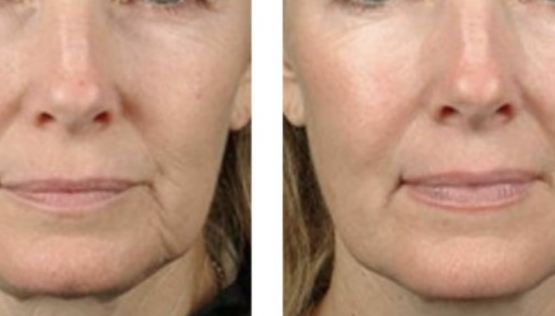
What to Expect Before, During, and After PRP Injection Treatment
Platelet-rich plasma therapy, often shortened to PRP, uses a component of your own blood to support natural repair processes in the body. Platelets help blood clot, but they also carry growth factors that play a role in tissue repair. PRP concentrates these platelets into a small volume of plasma. It is then applied to a targeted area.
What Is PRP?
PRP works by delivering a higher-than-normal concentration of platelets to a specific site in the body. Platelets travel through the bloodstream, and they gather at injured areas to begin the healing sequence. By concentrating these cells and placing them where they are needed, the goal is to introduce a larger supply of growth factors than the body would ordinarily send on its own.
Growth factors are proteins that signal cells to perform certain tasks, such as forming new tissue. Since the plasma is drawn from the patient, the material matches the body’s own composition, and this reduces the likelihood of rejection. The exact response varies from person to person, depending on the area being treated.
What Does Treatment Involve?
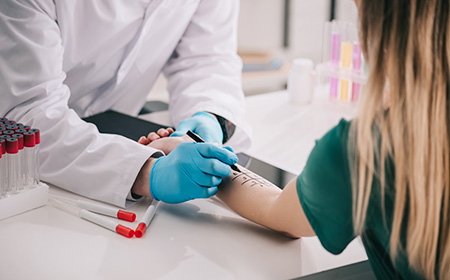
A PRP session generally follows a certain sequence of steps. The process begins with a standard blood draw, similar to what happens during routine lab testing. The amount collected is typically small, and it depends on the treatment area.
Once the sample is obtained, it is placed into a centrifuge. This device spins the blood at high speed; this separates it into distinct layers based on density. The platelets and plasma are isolated from the red and white blood cells, producing the concentrated solution used in the procedure.
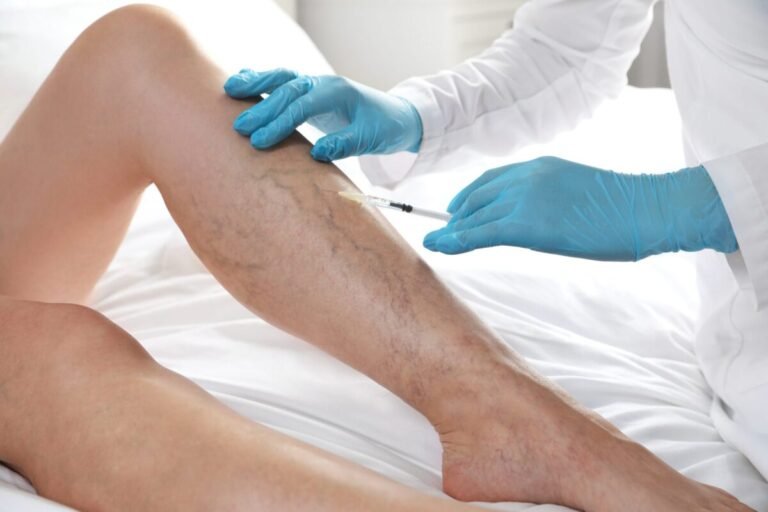
After preparation, the clinician applies the concentrated plasma to the targeted region. Depending on the goal, this may occur through injection into a joint or tissue. The entire visit can take less than an hour, but the exact duration varies with the technique and the area treated.
What Should You Expect After?
Following a PRP session, patients may return to their usual routine within a short period, but specific guidance depends on the treatment and the clinician’s instructions. Mild swelling or tenderness at the treated site is common, and it generally subsides over a few days or weeks. Because the material comes from the patient’s own body, reactions tend to be limited.
Results are not usually immediate. Since PRP aims to support the body’s natural repair mechanisms, any changes tend to develop gradually over weeks or months. Some treatment plans include more than one session spaced over time. A follow-up visit allows the clinician to assess progress, and they can adjust the plan as needed. Keeping open communication about symptoms and expectations helps the provider tailor care appropriately.
Consult a Medical Professional
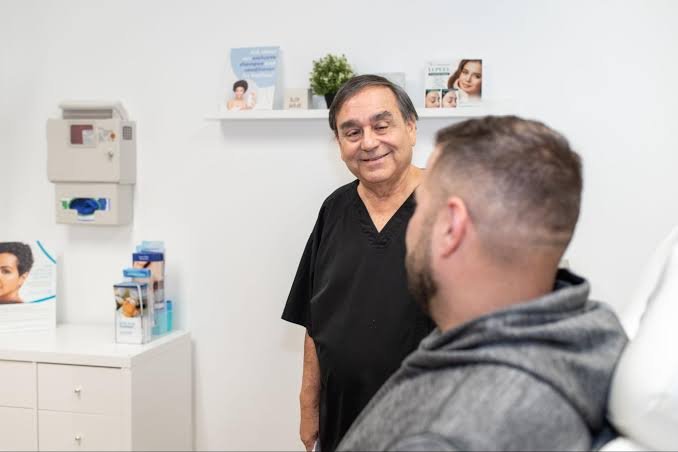
PRP therapy represents one option within a broad set of approaches used to support tissue repair. Because responses differ by individual and by condition, professional evaluation remains a reliable way to determine whether the treatment aligns with your needs. A clinician can review your health history, examine the area in question, and explain what a realistic plan involves. Speaking with a medical professional gives you accurate, personalized information, and this may help you make a well-informed decision about your care.