Comprehensive Gum Treatments For Enhanced Oral Health
Oral health influences far more than a bright smile. Healthy gums support your teeth, aid clear speech, and make eating comfortable. When people notice bleeding gums and persistent bad breath, they may need professional gum treatments. Those with diabetes, smokers, and individuals with a family history of gum problems often fall into higher-risk groups. Here’s information on various gum treatments that support comprehensive care:
Deep Cleaning Options
Deep cleaning goes beyond a standard dental checkup; it targets bacteria and buildup that collect below the gumline, where regular brushing cannot fully reach. A dentist may recommend deeper cleaning treatments when plaque and tartar accumulate under the gums. Other signs someone needs deep cleaning gum treatments include gum inflammation, deep periodontal pockets, and early bone loss detected on X-rays. If you notice tenderness or bleeding during brushing, a professional evaluation can determine whether deeper intervention is appropriate.
Scaling
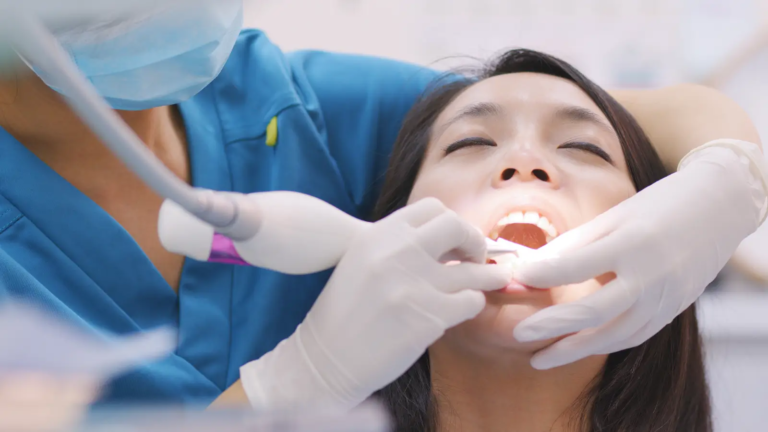
Scaling removes plaque and tartar from the tooth surface and from below the gumline, targeting deposits that contribute to periodontal disease. A dental professional uses hand instruments, such as curettes and scalers, or ultrasonic devices that vibrate at high frequency to break up hardened deposits. Scaling treatments reduce the bacterial load that irritates gum tissue and create a cleaner surface that supports healing and gum reattachment.
Root Planing
Root planing follows scaling and works alongside it to address the root surfaces of the teeth below the gumline. While scaling removes deposits from the tooth and root surface, root planing focuses on smoothing irregularities in the root itself. Bacterial toxins can embed in rough or damaged root surfaces, and smoothing these areas helps reduce that bacterial presence. Smoothing also encourages the gum tissue to reattach more securely to the tooth. This procedure is typically performed under local anesthesia to minimize discomfort, and it may be completed in multiple appointments depending on the extent of the condition.
Gingivectomy
Gingivectomy surgically removes gum tissue and is recommended when excess or diseased gum tissue creates deep pockets that trap bacteria. It can also be performed to reshape the gumline for functional or aesthetic reasons. During this procedure, the practitioner numbs the area, trims the targeted tissue, and cleans the site. Recovery usually involves mild soreness, and patients receive specific aftercare instructions to support healing. Following those instructions carefully reduces the risk of complications.
Gum Disease Treatments
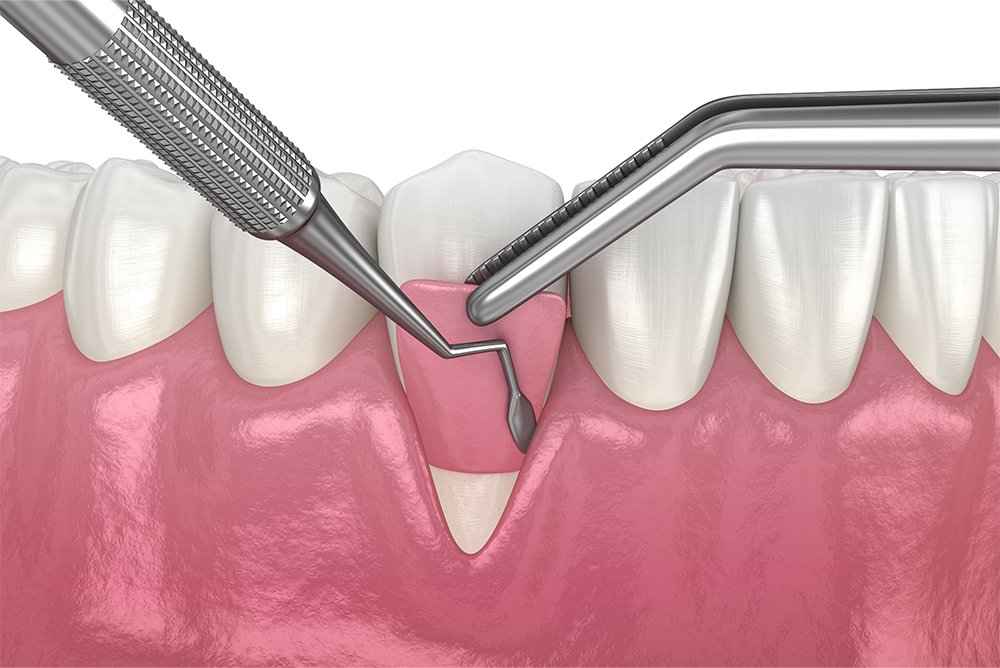
Advanced gum disease sometimes calls for treatments beyond cleaning; these approaches aim to restore tissue and stop further damage. Laser treatments use focused light energy to remove diseased tissue and reduce bacteria within periodontal pockets. Many patients experience less bleeding and shorter recovery times compared with traditional methods, though results vary from person to person. Another treatment option is gum grafting, which addresses receding gums by adding tissue to areas where the gumline has pulled back. The graft may come from the roof of the mouth or from a donor source to cover exposed roots and protect the underlying structures.
Surgery may be recommended when nonsurgical treatments do not resolve someone’s condition, commonly for deep pockets or significant bone loss. Flap surgery allows the dentist to lift the gums, clean the roots, and reposition the tissue. Your dental provider will assess the severity of the disease before recommending any surgical route.
Get Timely Gum Treatments
Addressing gum concerns early gives you more treatment choices and simpler procedures. Deep cleaning, gingivectomy, laser therapy, and grafting each serve a specific purpose depending on the stage of the condition. If you notice gum bleeding, recession, or discomfort, schedule an evaluation with a dental professional. Regular dental visits allow your provider to monitor changes and act before problems become serious health challenges. Schedule a consultation today to stay proactive about your oral health.