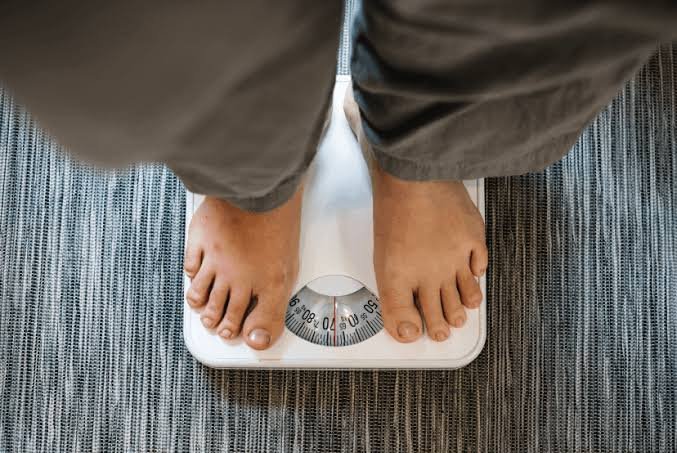
Working With a Weight Loss Specialist To Create a Meal and Exercise Plan
A weight loss specialist provides individualized guidance built around your health history; the first step is a thorough evaluation of your medical background, current habits, and weight-related goals. This assessment helps identify factors that influence weight, while physician-supervised care provides a framework for creating a personalized treatment plan. Weight loss plans focus on gradual lifestyle changes that address the underlying factors behind weight gain; regular follow-up visits allow the plan to change as progress and health needs evolve.
Assessing Your Health First
A weight loss specialist begins with a review of your goals and medical background. This step identifies underlying health conditions that affect weight, and it shapes the direction of a personalized plan. The physician gathers your history first, then outlines options that match your needs. The initial visit sets a baseline, and it prepares you for the steps that follow.
Building a Balanced Meal Plan
Healthy diets favor natural, unprocessed foods over prepackaged meals. A balanced plan emphasizes plant-based choices, contains plenty of protein, stays low in sugar and salt, and incorporates healthy fats, so the body receives the nutrients it needs. A specialist evaluates current eating habits, and nutritional counseling helps shape a meal plan that supports long-term weight management.
Several evidence-based eating patterns support this approach. The Mediterranean diet emphasizes fruits, vegetables, legumes, nuts, whole grains, and olive oil as the primary cooking fat. A DASH diet focuses on reducing cholesterol and saturated fat while increasing magnesium, calcium, fiber, and potassium. The MIND diet combines elements of both eating patterns, and it places greater emphasis on leafy greens and berries.
Meal planning changes over time. A specialist reviews progress, and adjustments help keep the plan aligned with changing health needs and treatment goals. Nutritional counseling reinforces healthy eating habits, while regular follow-up visits provide opportunities to refine food choices as part of an individualized weight management program.
Structuring Activity and Lifestyle
Physician-supervised programs combine medical expertise, nutritional guidance, and lifestyle and activity planning. A specialist maps daily habits into the plan, and the activity portion aligns with your abilities and schedule. Behavioral modification support is included as part of the program, so patients receive structured help changing routines that contribute to weight regain; the physician monitors these adjustments, and the plan adapts as habits shift. Lifestyle changes are introduced gradually.
Some patients benefit from added treatments beyond diet and activity. GLP-1 medications support certain plans, and intermittent fasting limits eating to specific periods of time as part of a structured weight management approach. A weight loss expert explains each option, weighs it against your health profile, and integrates the appropriate choice into your program. Services extend to weight maintenance programs and pediatric weight loss programs, so care addresses different ages and stages.
Consult a Weight Loss Specialist
A specialist addresses the root causes of weight gain through physician-supervised care that combines medical evaluation, nutritional guidance, and behavioral modification support. Progress is monitored over time, and the plan is adjusted as needed. A professional evaluation identifies appropriate treatment options based on your health history and current needs. Schedule a consultation with a weight loss specialist to discuss available treatment options.