Emergency Dental Care for Toothache: A Complete Easy Guide
Toothache is one of the most uncomfortable and distracting types of pain a person can experience. It can start suddenly, grow slowly, or come and go—but when it becomes severe, it often needs emergency dental care for toothache. Many people ignore early signs, hoping the pain will go away, but in some cases, delaying treatment can make the problem worse and even lead to serious infection.
In this article, we will explain what emergency dental care for toothache means, why tooth pain happens, what you should do at home before seeing a dentist, and how emergency dental treatment can help you feel better quickly. Everything is written in simple and easy English so everyone can understand.
What Is Emergency Dental Care for Toothache?
Emergency dental care for toothache means getting quick treatment from a dentist when tooth pain becomes severe, sudden, or unbearable. It is not like a regular dental check-up. Instead, it focuses on stopping pain, treating infection, and preventing the problem from getting worse.
You may need emergency dental care if:
- The pain is very strong and does not stop
- Your face or gums are swollen
- You have a broken or cracked tooth
- There is bleeding that won’t stop
- You have signs of infection like fever or pus
In these situations, waiting is not a good idea. Immediate care is needed to protect your teeth and overall health.
Common Causes of Toothache
Toothache does not happen without a reason. Understanding the cause helps in getting the right treatment. Here are the most common reasons:
1. Tooth Decay (Cavities)
When bacteria damage the outer layer of the tooth, it creates holes called cavities. If not treated, the decay reaches deeper layers and causes pain.
2. Gum Disease
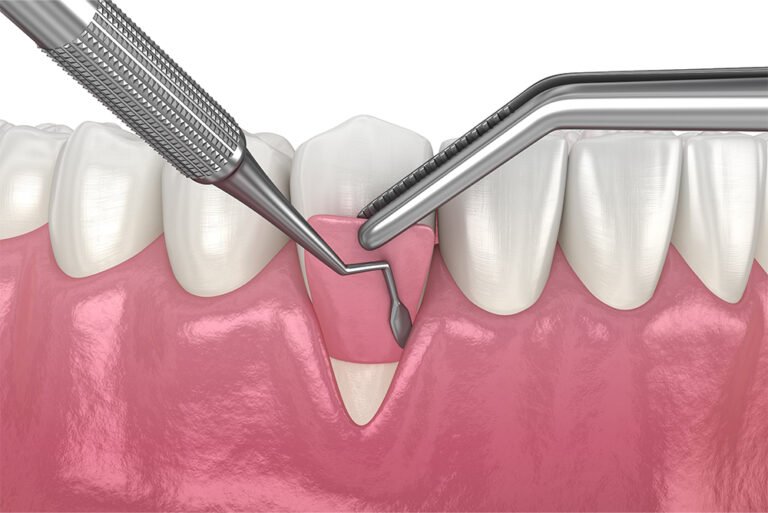
Infection in the gums can lead to swelling, bleeding, and tooth pain. Advanced gum disease can even loosen teeth.
3. Tooth Infection (Abscess)
This is a serious condition where pus forms inside the tooth or gums. It causes severe pain and needs urgent dental treatment.
4. Cracked or Broken Tooth
A crack can expose nerves inside the tooth, leading to sharp pain, especially when eating or drinking.
5. Tooth Sensitivity
Some people feel pain when eating hot, cold, or sweet foods due to worn enamel.
6. Wisdom Tooth Problems
When wisdom teeth do not have enough space to grow, they can become trapped and cause pain and swelling.
Signs You Need Emergency Dental Care for Toothache
Not every tooth pain needs emergency treatment, but some signs should never be ignored. You should seek urgent dental care if:
- Pain lasts more than 1–2 days
- Pain becomes worse at night
- You cannot eat or sleep properly
- Swelling appears in your face or jaw
- You notice pus or bad taste in your mouth
- You have fever with tooth pain
These symptoms often mean there is infection or serious damage.
What to Do Before You Reach the Dentist
If you cannot visit a dentist immediately, you can take some steps at home to reduce pain temporarily.
1. Rinse with Warm Salt Water
Mix salt in warm water and rinse your mouth. It helps reduce bacteria and swelling.
2. Use a Cold Compress
Apply an ice pack on the outside of your cheek for 10–15 minutes. It can reduce swelling and numb pain.
3. Take Pain Relievers
Over-the-counter pain medicine may help reduce discomfort, but always follow instructions.
4. Avoid Certain Foods
Stay away from very hot, cold, or sugary foods as they can increase pain.
5. Keep Your Head Elevated
When lying down, keep your head slightly raised to reduce pressure and pain.
Remember, these are only temporary solutions. You still need emergency dental care for toothache if the pain continues.
How Dentists Treat Emergency Toothache
When you visit a dentist for emergency care, they first examine your tooth to find the exact cause of pain. Treatment depends on the problem.
1. Filling Cavities
If decay is the issue, the dentist removes the damaged part and fills the tooth.
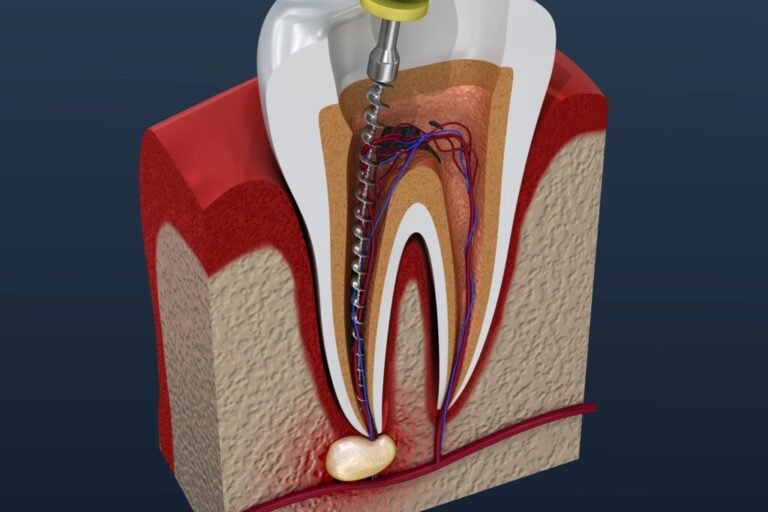
2. Root Canal Treatment
If the infection reaches deep inside the tooth, a root canal is done to remove infected tissue and save the tooth.
3. Tooth Extraction
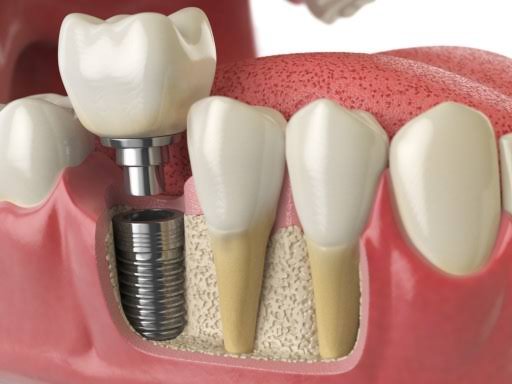
If the tooth is too damaged, it may need to be removed to stop infection.
4. Drainage of Abscess
If there is pus buildup, the dentist drains it to reduce pain and swelling.
5. Antibiotics
If there is infection, antibiotics may be prescribed to control bacteria.
The goal of emergency dental care for toothache is to stop pain quickly and treat the root cause.
Why You Should Not Ignore Toothache
Many people ignore tooth pain and wait for it to go away on its own. This can be dangerous. A small cavity can turn into a serious infection. Gum disease can spread and damage other teeth. In some cases, untreated infections can even affect other parts of the body.
Ignoring pain may lead to:
- Tooth loss
- Severe infections
- Higher treatment costs later
- Difficulty eating or speaking
Early emergency dental care for toothache saves both time and health.
How to Prevent Toothache in the Future
Prevention is always better than treatment. You can reduce the risk of toothache by following simple habits:
- Brush your teeth twice daily
- Use fluoride toothpaste
- Floss regularly
- Avoid too many sugary foods
- Visit the dentist every 6 months
- Drink plenty of water
- Do not ignore small dental problems
Good oral hygiene keeps your teeth strong and reduces emergency situations.
When Is It a Real Dental Emergency?
Sometimes people are confused about whether their pain is serious or not. Here is a simple rule:
If the pain affects your daily life, sleep, eating, or is getting worse quickly, it is likely an emergency.
Emergency dental care for toothache is especially important when there is infection, swelling, or trauma to the tooth.
Conclusion
Toothache is not just a simple pain—it can be a warning sign of a deeper dental problem. Emergency dental care for toothache is important when the pain becomes severe, persistent, or comes with swelling or infection. Quick treatment can save your tooth, reduce pain, and prevent complications.
Home remedies can help for a short time, but they are not a permanent solution. The best step is always to visit a dentist as soon as possible.
Taking care of your teeth daily is the best way to avoid emergency situations and keep your smile healthy.
Frequently Asked Questions (FAQs)
1. What is emergency dental care for toothache?
It is urgent dental treatment given when tooth pain is severe, sudden, or caused by infection or injury.
2. Can a toothache go away on its own?
Sometimes mild pain may go away, but most toothaches need dental treatment to fix the root cause.
3. What should I do if my toothache is severe at night?
You can use pain relievers, cold compress, and salt water rinse, but you should see a dentist as soon as possible.
4. Is toothache always caused by cavities?
No, it can also be caused by gum disease, infection, cracked teeth, or wisdom tooth problems.
5. How fast should I visit a dentist for emergency toothache?
If pain is severe or comes with swelling, you should visit a dentist immediately or within 24 hours.