What You Need To Know About a Herniated Disc and Its Symptoms
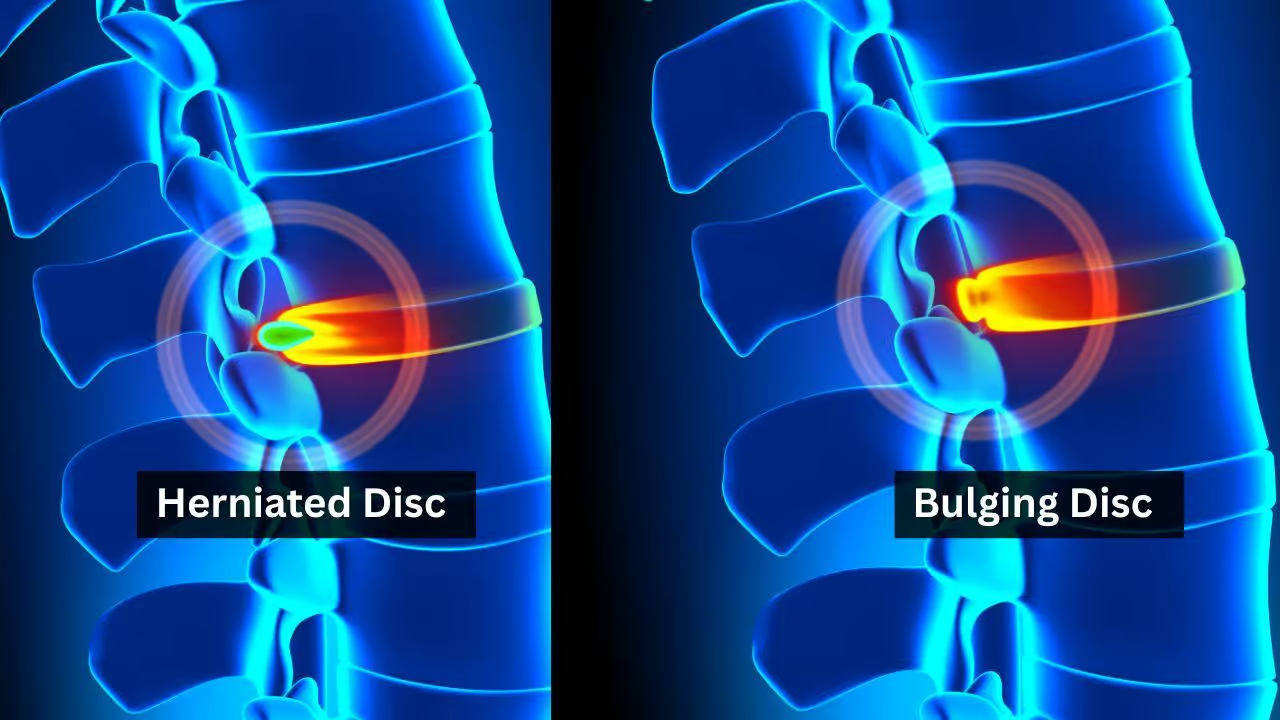
A herniated disc occurs when the soft inner material of a spinal disc pushes through a weakened outer layer. This can irritate nearby nerves and lead to symptoms such as back or neck pain and weakness that may extend into the arms or legs. Here is what you need to know about a herniated disc and its symptoms:
How Does a Disc Herniate?
A spinal disc has a soft, jelly-like center wrapped in a tougher outer layer, and it cushions the bones of your spine. A herniated disc, or ruptured disc, occurs when the soft center pushes through the outer coating, and this may happen in the neck or the lower back. It develops over time, though a sudden injury can also cause one.
Age plays a key role in how these discs change. As you grow older, your discs lose water content, and they become harder, drier, and flatter. The weakened outer shell then allows the center to bulge; a weak spot can let the inner material push through. Pressure on the nerves determines whether you feel symptoms. Sometimes the bulging material does not touch a nerve, so you experience nothing at all.
Which Symptoms Are Common?
A herniated disc can produce several symptoms, and these often depend on where the disc sits along your spine. Here are the common symptoms:
- Pain: You may feel a sharp or dull ache near the affected disc.
- Prickling: A prickling feeling can develop in the arms or legs when a disc presses on a nerve.
- Numbness: You may lose sensation in part of an arm or leg, and this often makes movement awkward.
- Tingling: A tingling sensation, similar to pins and needles, often signals nerve involvement.
- Weakness: Affected muscles may feel weak, making lifting or gripping harder.
These symptoms can range from mild to severe, and they may interfere with work, sleep, and exercise.
Which Signs Are Nerve-Related?
Nerve-related symptoms depend on the location of the ruptured disc, and the affected area influences what you feel. A herniated disc in the neck can affect the neck and arms. This pattern, known as cervical radiculopathy, often produces pain, tingling, or weakness that travels into the shoulder, arm, or hand.
A herniated disc in the lower back can affect the lower back, pelvis, and legs; this pattern is called lumbar radiculopathy. The pain may shoot down one leg, and you may notice numbness or weakness along the nerve’s path. Nerve symptoms deserve attention because they reflect direct pressure on the nervous system, and these signs can worsen without proper care.
When Does One Need Care?
Some herniated disc symptoms improve with rest, but others signal a need for professional care. The following are situations where a medical evaluation becomes helpful:
- Persistent pain: Schedule an evaluation when neck or back pain lasts for several weeks and disrupts your daily routine.
- Spreading numbness or tingling: See a doctor if these sensations spread into your arms or legs.
- Muscle weakness: Get checked if an arm or leg feels weak, as this indicates nerve involvement.
- Disrupted sleep or movement: Seek help when pain interferes with sleep, exercise, or everyday tasks.
- Loss of function: Contact a specialist promptly when you struggle to control or use part of a limb.
These signs suggest that your symptoms need a closer look, and early evaluation can prevent further nerve damage.
Get Specialized Herniated Disc Care
Recognizing the warning signs of a ruptured disc is fundamental in preventing long-term complications. Symptoms such as persistent pain, weakness, disrupted sleep, or loss of function should not be ignored. They may indicate nerve involvement requiring prompt attention. Contact a qualified pain specialist near you to book your appointment and get specialized herniated disc care today.