What to Expect During an MRI Appointment
An MRI uses a magnetic field and radio waves to produce images of organs and tissues inside your body. Your doctor may order one to examine knee pain, hip pain, or shoulder pain. The scan shows detailed views, so your care team can plan the right treatment. Because it does not use radiation, an MRI works well for soft tissue.
Recommended Steps Before Your Scan
Preparation begins when your MRI appointment is scheduled. Staff will ask about metal implants and may request a health form. Let your care team know if you have a pacemaker, metal plates, or any surgical implants, as some devices may affect your eligibility for the scan. You can usually eat and take medications as normal, but your team will give specific instructions, which you should follow closely. Wear comfortable clothing without metal fasteners; if your clothes have zippers or underwire, staff can provide a gown to change into. They may be able to offer options that help you stay comfortable during the scan. Arrive early to complete paperwork, and ask questions before the scan begins.
Clear Steps During Your Scan
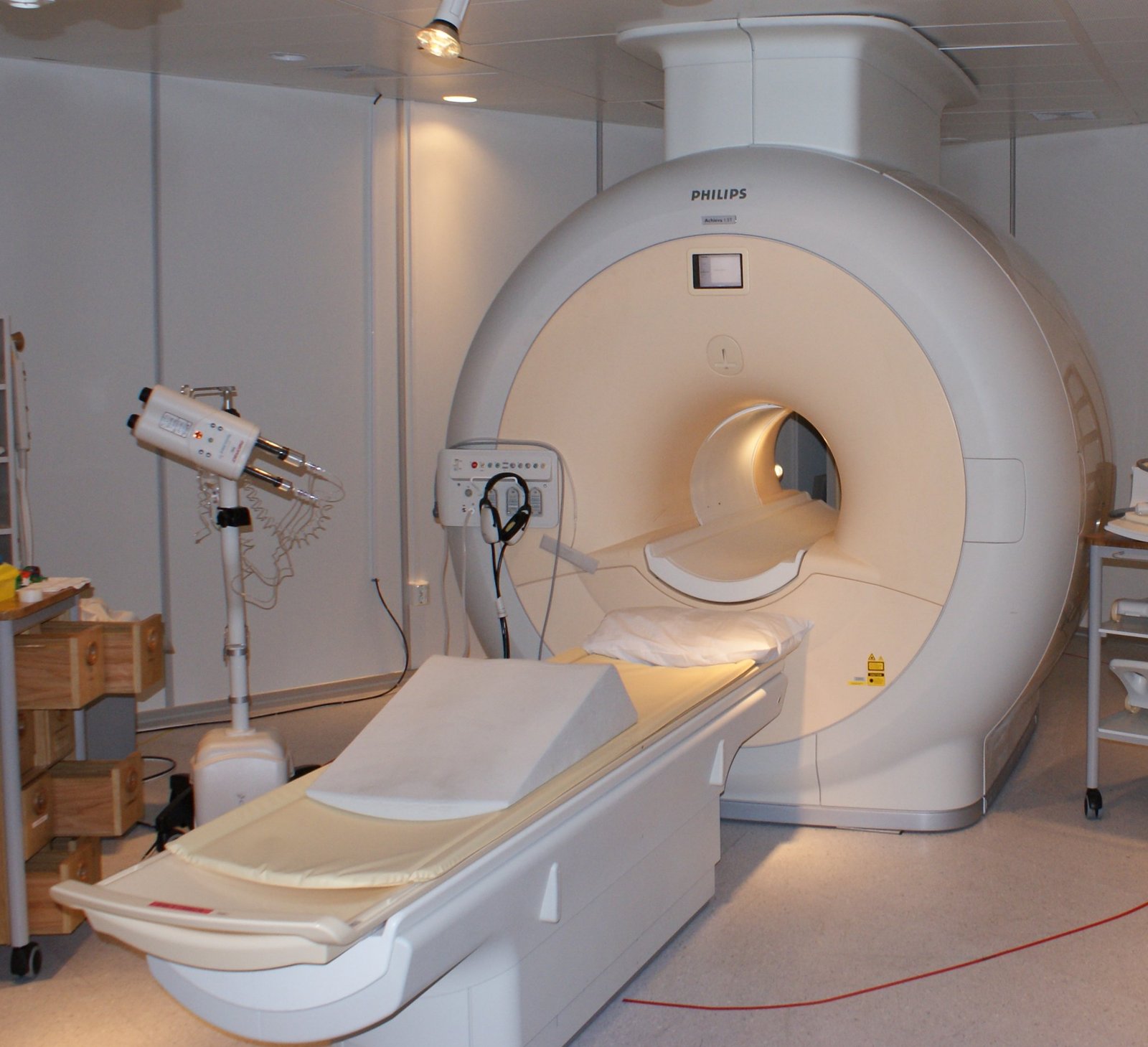
Here is what to expect during the scan:
- The machine makes loud knocking sounds; earplugs or headphones are provided for comfort.
- Most scans last an hour, depending on the area being examined.
- A technologist monitors you from an adjacent room throughout the entire scan.
- An intercom and call button are available if you need to communicate.
A knee coil fits around your leg, and a shoulder coil wraps near your upper arm. These devices do not cause discomfort, and the technologist will position them carefully before the scan begins. You may have the table move at certain points because the machine adjusts to capture images from multiple angles. Breathing normally is fine for most scans. Some may require brief breath-holds. The technologist will guide you through each step. If you receive contrast dye during the scan, you may notice a cool sensation as it enters through the IV line. Tell the technologist right away if you have any unusual discomfort, since your comfort and safety are the priority throughout the process.
Simple Recovery After Your Exam
Recovery is simple for most patients. You can resume normal activities right away, and no downtime is required. After the scan, a radiologist, a doctor who specializes in reading medical images, reviews your results. Your doctor receives a written report within a few days, and they will contact you to discuss the findings. That report may confirm the cause of hip pain, guide arthritis care, or support planning for joint replacement. If your results point to knee or shoulder pain, your care team will outline the next steps clearly.
If contrast dye was used and you notice swelling, redness, or discomfort at the IV site, contact your provider. These reactions are uncommon, but reporting them promptly is the right step. Most people leave their appointment being informed and ready to move forward with their care plan. Most can return to work, exercise, and daily tasks. Eeach out to your care team for guidance.
Schedule Your MRI
Your MRI plays a key role in accurate diagnosis and treatment. Talk with your provider about scheduling, and ask any questions before the day arrives. Knowing what to expect helps you be prepared, and preparation makes the visit smoother. Contact your team today to book your appointment, since you can take the next step toward answers about your knee, hip, or shoulder pain.