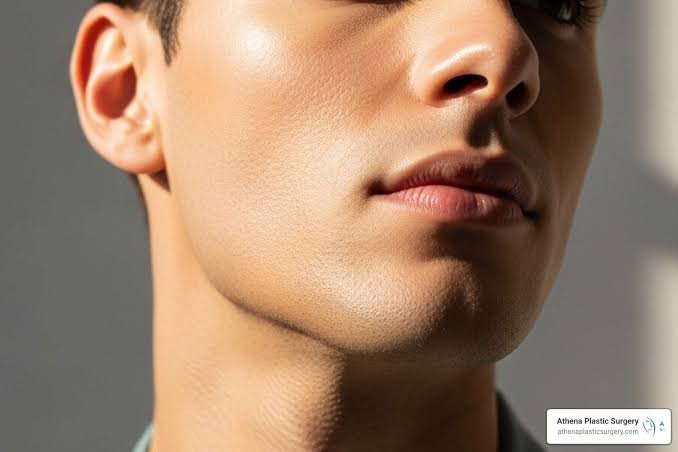
The Evolution of Facelift Techniques
Facelift techniques have evolved from procedures focused primarily on tightening the skin to more advanced approaches that reposition deeper facial tissues and create natural-looking results. Modern methods may also use personalized treatment plans to support smooth recovery and long-lasting outcomes. Here is an overview of the evolution of facelift techniques:
Advancing Beyond Skin Tightening
Early facelift methods focused mainly on pulling the skin taut, which sometimes produced a stretched appearance. Surgeons later recognized that the deeper support layer beneath the skin plays a key role in facial structure, so techniques shifted toward this foundation. Modern approaches work with these underlying tissues, and the skin is then draped smoothly rather than stretched. Surgeons now map how muscle, fat, and connective layers move together, and this mapping guides each adjustment. Here are some core components of the modern approach:
Refining Natural Facial Contours
The SmarterLift is an advanced facelift technique that enhances and refines facial contours using precise and minimally invasive methods. This approach prioritizes the natural dynamics of facial movement while achieving a rejuvenated appearance. Key elements of this technique include:
- Dynamic tissue adjustment: It tailors every modification to respect the natural movement of the face, making sure expressions remain authentic and fluid.
- Subsurface tissue support: Rather than focusing solely on the skin’s surface, this method strategically repositions the deeper layers to achieve structural support with reduced tension.
- Symmetry-focused planning: Adjustments are meticulously planned for both sides of the face to create a balanced and proportionate result.
- Tension-minimizing technique: It enables a smooth and more natural settling of the facial contours over time by minimizing tension on the skin.
Combining Complementary Procedures
A facelift primarily targets the lower face and neck, so it does not address every area on its own. Patients often pair it with treatments for the brow, eyelids, or skin surface, and this combination can create a more even result. Surgeons plan these procedures together during consultation, and that coordination is key to a cohesive appearance. Combining procedures calls for careful sequencing, and a physician-led plan keeps each step aligned with your goals. Here are some options often discussed alongside a facelift:
- Brow procedures: These address the upper third of the face, which a facelift does not reach.
- Eyelid procedures: These focus on the area around the eyes, where aging can appear early.
- Skin resurfacing: These treatments target surface texture and tone, and they complement structural changes.
Improving the Patient Experience
The experience surrounding a facelift has improved alongside the surgical techniques themselves. Consultations now center on personalized planning, and surgeons review your anatomy, goals, and history before recommending an approach. Clear communication is fundamental here; it helps you set realistic expectations and understand what each step involves.
Recovery support has also become more organized, and patients receive detailed guidance for each stage. Surgeons outline activity limits, follow-up visits, and care instructions, so you know what to expect as healing progresses. To make sure you are prepared, some practices provide written plans you can reference at home.
Schedule Your Facelift Consultation Today
A modern facelift procedure provides natural-looking results with a focus on patient safety and satisfaction. Advancements in techniques have minimized recovery time while maintaining realistic expectations for outcomes. The process is further supported by detailed post-operative guidance and comprehensive care plans, making sure you are informed at every step. Contact an exceptional plastic surgeon near you to schedule your facelift consultation today.