How Vascular Surgeons Treat Leg Pain
When vascular conditions cause leg pain, vascular surgeons can evaluate the underlying cause and recommend appropriate treatment. Treatment approaches range from lifestyle changes and medication to minimally invasive procedures and surgery; providers choose each approach based on the patient’s specific diagnosis. Accurate diagnoses and targeted treatments can improve circulation and overall quality of life. Here is more information on vascular care for leg pain:
What Is a Vascular Surgeon?
A vascular surgeon is a physician who specializes in diagnosing and treating conditions that affect the blood vessels, which include arteries, veins, and lymphatic vessels. These specialists treat leg pain and a wide range of vascular conditions. Vascular surgeons offer both surgical and non-surgical treatments; this versatility allows them to tailor treatment plans to each patient’s specific needs.
What Is Leg Pain?
Leg pain with a vascular origin is typically caused by disrupted blood flow. Three common vascular conditions that cause this type of pain are peripheral artery disease (PAD), deep vein thrombosis (DVT), and varicose veins. PAD occurs when narrowed arteries reduce blood flow to the limbs, which causes cramping or heaviness during activity. DVT involves a blood clot forming in a deep vein, and this can cause swelling and aching pain. Varicose veins are enlarged, twisted veins close to the skin’s surface that produce a throbbing or burning sensation.
Symptoms vary depending on the underlying condition. PAD often presents as claudication, which is a pattern in which pain worsens with walking and eases with rest. DVT may make the leg feel warm and appear red or swollen, while varicose veins often cause leg fatigue and visible bulging veins. Recognizing these distinctions enables accurate diagnosis and appropriate treatment.
How Is It Treated?
Treatment depends on the specific condition and its severity; a vascular surgeon will assess each case individually before recommending a course of action. Lifestyle changes and medication are often the first line of treatment for conditions like PAD. Patients may be advised to quit smoking, exercise regularly, and adopt a heart-healthy diet. Because these conditions are linked to cardiovascular health, medications may also be prescribed to reduce the risk of complications over time. For more advanced cases, surgical or minimally invasive procedures include:
- Atherectomy: removes plaque buildup from the arteries in patients with PAD
- Bypass surgery: creates a detour around a blocked artery using a graft
- Placement of a vena cava filter: treats DVT by catching blood clots before they reach the lungs
- Sclerotherapy: involves injecting a solution directly into varicose veins.
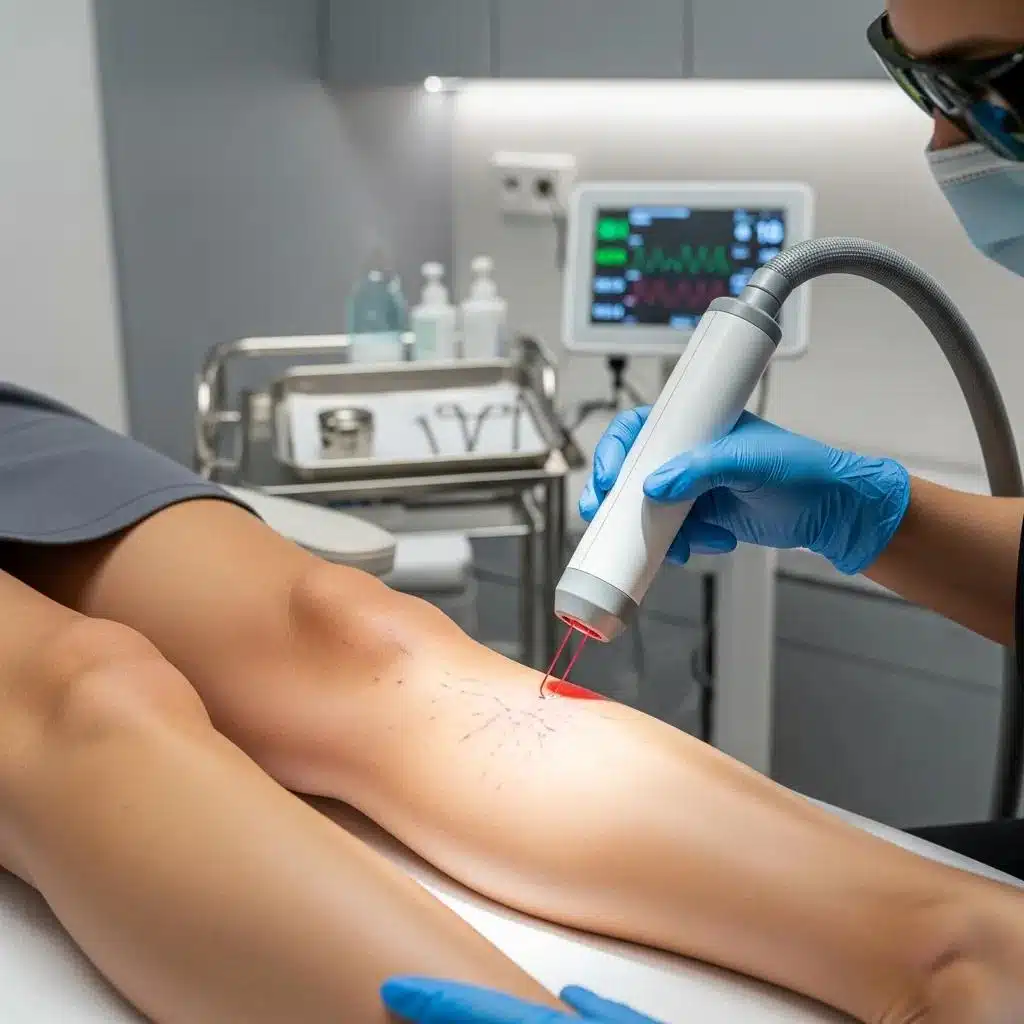
- Endovenous laser therapy (EVLT): uses laser energy to close off diseased veins
How Is Specialized Care Beneficial?
Vascular surgeons have a depth of expertise that general practitioners may not, and this specialization is especially valuable when diagnosing and managing complex vascular conditions. Their training helps them accurately identify the root cause of leg pain. When vascular conditions cause persistent or disruptive symptoms, vascular surgeons develop targeted treatment plans that address the underlying condition rather than treating the symptoms in isolation.
Patients who receive specialized vascular care benefit from advanced diagnostic tools, which allow surgeons to visualize blood flow with a high degree of accuracy. These technologies pinpoint blockages or abnormalities. Early and precise diagnosis reduces the likelihood of complications, and in cases like DVT, this accuracy can be life-saving.
Seek Treatment Today
Leg pain is manageable with the right guidance, and early intervention may produce better outcomes. A vascular surgeon can assess your symptoms, identify the underlying cause, and recommend a treatment plan tailored to your specific needs. If you experience leg pain, schedule a consultation with a vascular surgeon.