Recovery and Rehabilitation Tips After Disc Surgery
Disc surgery is a significant medical procedure that affects how patients move, work, and carry out daily activities. Understanding the recovery process can help patients set realistic expectations and provide them with the information necessary to support a smoother rehabilitation. Recovery involves careful management of post-operative care, including physical therapy and a gradual return to normal life.
What Is Disc Surgery?
The spine is made up of a series of vertebrae separated by intervertebral discs; these structures act as shock absorbers and support spinal movement. When one or more of these discs becomes damaged, either through degeneration or injury, it can place pressure on nearby nerves. This may cause significant pain, reduced mobility, or neurological symptoms.
Disc surgery is performed to address this damage, and two common approaches are spinal fusion and disc replacement. Spinal fusion joins two adjacent vertebrae together to stabilize the spine, while disc replacement removes the damaged disc and substitutes it with an artificial one. Disc surgery may be recommended for patients with a herniated disc or degenerative disc disease.
What Does It Involve?
The surgical approach varies depending on the type of procedure and the location of the affected disc. In minimally invasive disc replacement, the incision may be as small as 1 or 2 inches. Once the disc is accessed, the damaged material is removed. The artificial disc is then positioned in the space, and the incision is closed. General anesthesia is administered beforehand, and most patients are discharged on the same day. An overnight stay may be required in some cases.
What Does Recovery Entail?
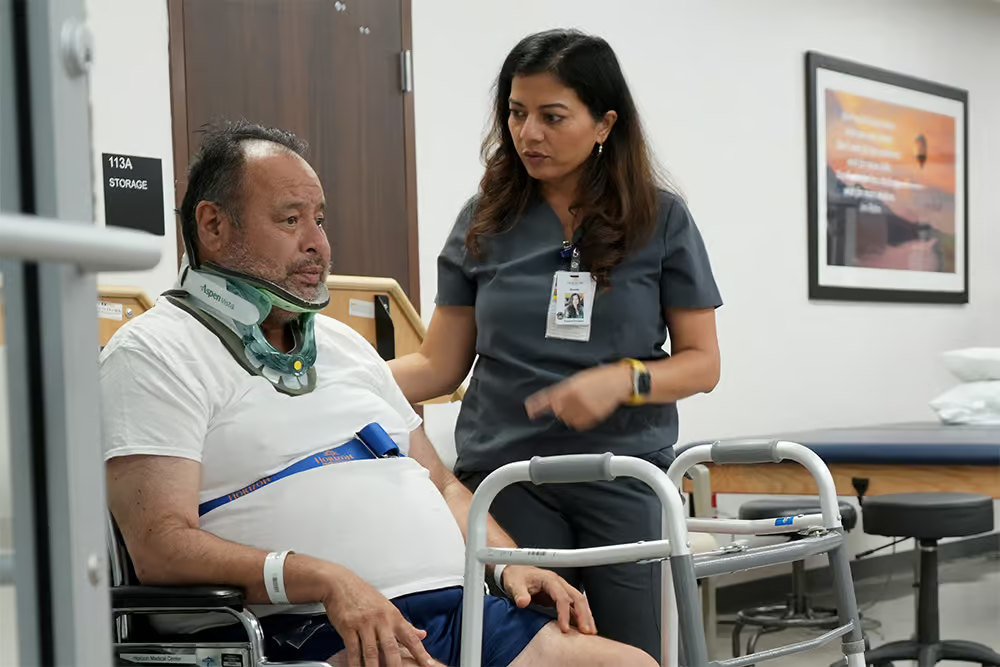
Recovery timelines and requirements differ depending on the type and location of the surgery performed. Patients who have undergone a cervical disc replacement may wear a soft collar for a few weeks post-operatively; this supports the neck during the initial healing phase. Once the collar is removed, physical therapy can begin to help restore strength and range of motion. Recovery from a lumbar disc replacement does not typically require a brace. The abdominal incision takes approximately two to four weeks to heal, but patients are advised to avoid activities that place strain on the abdomen during this time.
Regardless of the type of disc surgery, the following rehabilitation principles are widely applicable:
- Follow the Surgeon’s Instructions: Deviating from the prescribed recovery plan can interfere with healing.
- Attend Follow-up Appointments: These visits allow the surgical team to monitor healing, assess mobility progress, and address any concerns.
- Participate in Physical Therapy: Rehabilitation exercises are designed to support recovery and long-term function.
- Monitor the Incision Site: Any changes in appearance, increased swelling, or discharge should be reported to a healthcare provider promptly.
Minimally invasive disc replacement is associated with a reduced recovery period compared to more traditional open surgical methods.
Speak Further With a Surgeon
Recovery from disc surgery is a structured process that benefits from clear guidance and professional oversight. Each patient’s situation is different, and patients preparing for or recovering from disc surgery are encouraged to maintain open communication with their surgical team throughout the process. A qualified spine surgeon can provide personalized recommendations, tailored to the individual’s condition.