Neuroradiology’s Role in Understanding Brain Plasticity
Neuroradiology uses advanced imaging techniques to observe brain plasticity, which is the brain’s ability to reorganize neural pathways. Diagnostic scans provide precise structural maps for medical professionals. Clinical care teams use these images to guide patient rehabilitation, and they help monitor neurological recovery. Here is more information on neuroradiology’s role in understanding brain plasticity:
What Is Neuroradiology?
Neuroradiology is a medical subspecialty focused on diagnosing central and peripheral nervous system abnormalities, and physicians use specialized imaging technology to generate detailed images of the brain, spine, and head. This field combines diagnostic imaging and clinical neurology. By employing these advanced tools, radiologists can accurately identify structural anomalies.
The clinical applications of neuroradiology cover a wide range of conditions. Doctors order these scans to investigate symptoms like severe headaches, seizures, or unexplained cognitive decline, and the resulting images help practitioners formulate accurate diagnoses. Patients can receive more personalized medical interventions, and these treatments help them heal effectively.
What Are the Available Services?
Patients have several distinct imaging options available through neuroradiology services, including:
- Magnetic resonance imaging (MRI): This service uses powerful magnets to produce highly detailed cross-sectional images of brain tissue.
- Computed tomography (CT): This scan combines multiple X-ray measurements to create a quick, comprehensive view of the skull and brain.
- Myelography: This procedure involves injecting a contrast dye into the spinal canal to enhance X-ray or CT images of the spinal cord and nerve roots.
- Cerebral Angiography: This invasive diagnostic test uses a catheter, X-ray imaging guidance, and a contrast agent to examine blood vessels in the brain.
Medical teams select the most appropriate imaging method based on the patient’s specific symptoms.
What Is Brain Plasticity?
Brain plasticity describes the nervous system’s capacity to modify its structure and function in response to environmental changes. This phenomenon allows the brain to reorganize itself by forming new neural connections throughout a person’s life. When one area of the brain sustains damage, other regions can sometimes adopt the lost functions. This adaptability is key to neurological rehabilitation, and medical treatments may aim to stimulate this reorganization to maximize recovery outcomes.
How Is It Understood?
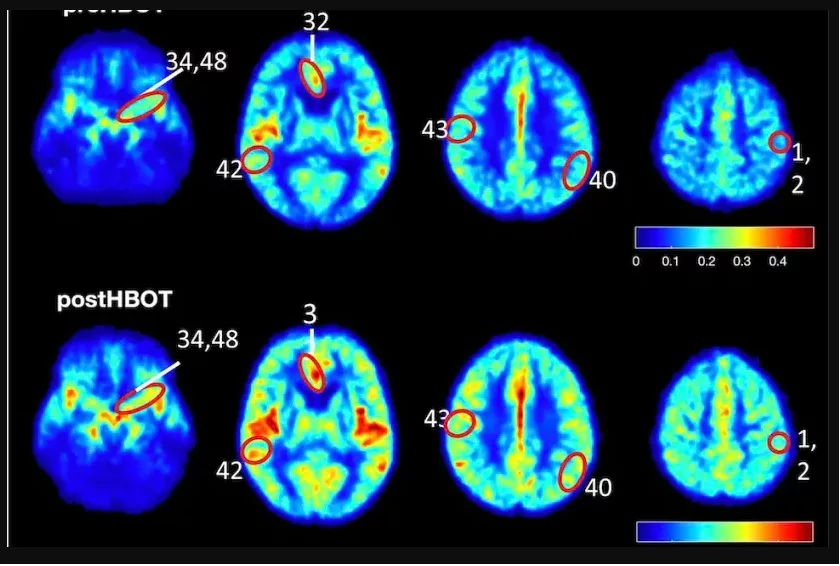
Researchers and clinicians understand plasticity by observing changes in neural activity, and functional imaging techniques allow radiologists to see which parts of the brain are activated during specific tasks. As a patient recovers from a neurological injury, these activation patterns may shift to different cerebral areas. These visible changes confirm that the neural networks are actively rewiring themselves.
How Is Professional Care Beneficial?
Professional medical care provides structured guidance to maximize neurological recovery. Radiologists use radiological data to design targeted therapy programs for their patients, and when doctors know exactly where the injury occurred, they can implement therapies that specifically stimulate adjacent neural pathways. This targeted approach may yield better functional outcomes for patients undergoing rehabilitation, thereby improving their quality of life.
Clinical oversight keeps the recovery process safe and organized. Medical teams monitor patients’ progress through regular check-ups, and they adjust treatment protocols based on new imaging results. If a scan shows limited neural adaptation, the therapy team can introduce new cognitive or physical exercises. Patients may achieve greater independence through this structured methodology.
Learn More About Brain Plasticity
Brain plasticity is a fundamental component of neurological recovery and adaptation, and neuroradiology provides the necessary imaging tools to monitor these complex structural changes. Patients benefit from this precise diagnostic approach, as it directly informs their clinical treatment plans. Contact a radiology clinic today to schedule a consultation.