Podiatrist Recommendations for Choosing the Right Footwear
The shoes you wear affect how your feet function every day, and the wrong pair may lead to discomfort over time. Well-fitting footwear supports your natural movement by distributing pressure across your feet more evenly. Understanding what a podiatrist looks for in a good shoe can help you find comfortable, supportive footwear that positively contributes to your overall foot health. Here are some things to look for in well-fitting shoes:
Getting Measured When Buying Shoes
Feet can change shape and size over the years. Getting measured each time you look for new shoes helps you avoid buying ones that no longer match your dimensions. The following factors may alter the length and width of your feet:
- Weight fluctuations
- Pregnancy
- Aging
- Injuries or surgeries
- Medical conditions such as arthritis or diabetes
A podiatrist often recommends measuring both feet during the fitting process. Most people have one foot that is slightly larger than the other, and you should base your shoe size on the larger of the two. Measuring both feet gives you a more accurate picture of the space you actually need.
The time of day influences your measurements. Feet tend to swell as the day progresses, so trying on shoes in the afternoon or evening can produce a better fit. Shopping and measuring later in the day means you are less likely to select a pair that feels tight as the day goes on.
Finding a Wide Toe Box
The toe box is the front section of a shoe that surrounds your toes. A narrow toe box compresses the toes together, and this crowding sometimes contributes to discomfort and structural changes over time. A wider toe box allows your toes to spread naturally while standing or walking.
When you try on shoes, check that you can wiggle your toes freely inside the front of the shoe.For running shoes, there should be roughly a thumb’s width of space between your longest toe and the end of the shoe.Adequate room in the toe box reduces friction against the sides of your feet; your toes are not forced into an unnatural position.
Using Custom Orthotics
Custom orthotics are inserts made to match the specific shape and structure of your feet. A podiatrist creates them by taking measurements or impressions of your feet, and the result is a device tailored to your individual needs. These inserts differ from the generic cushions you find at a pharmacy. Here are some potential benefits of using custom orthotics:
- They can adjust how pressure is distributed across the bottom of your feet.
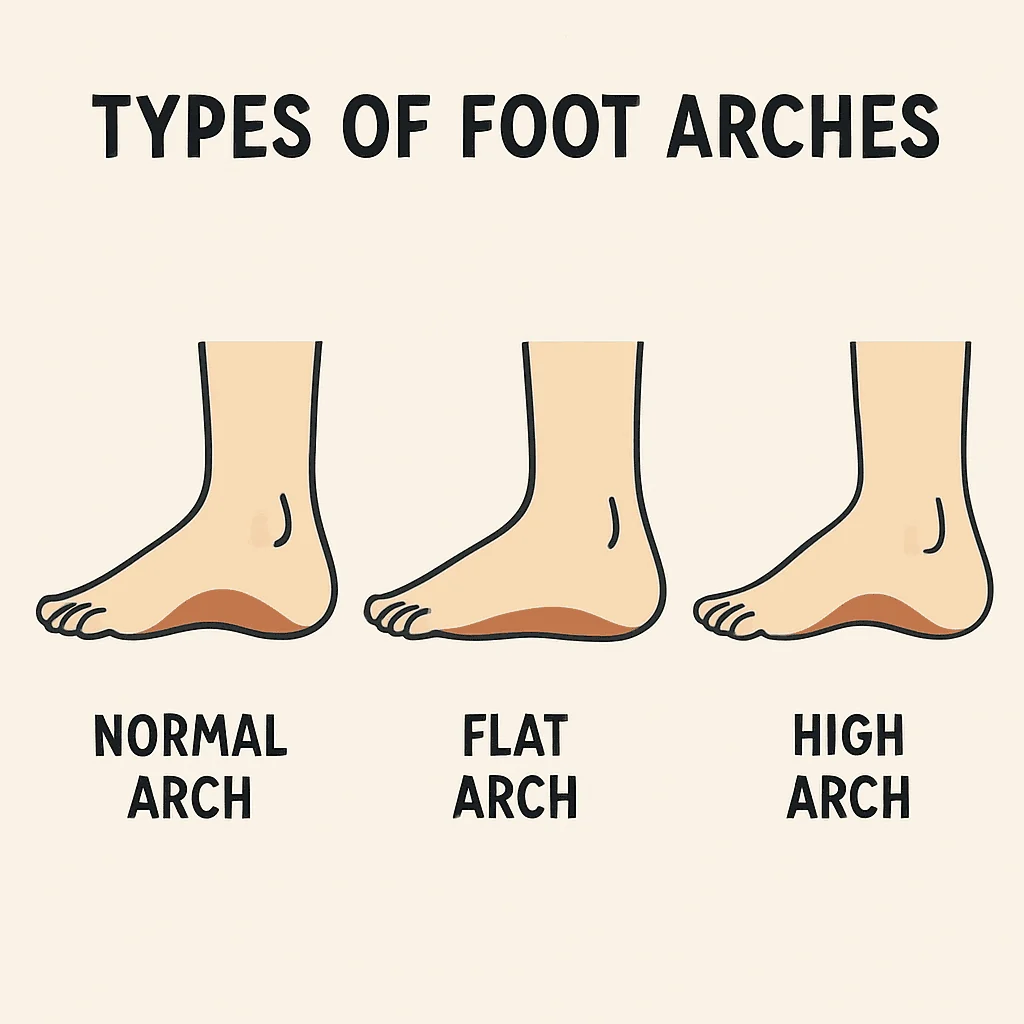
- By supporting the arch and heel, they help your feet align more comfortably inside your shoes.
- The added structure may improve the way a shoe feels during long periods of standing or walking.
You can place custom orthotics inside many types of footwear, though some shoes accommodate them better than others. Shoes with removable insoles often provide the space needed for an orthotic to fit properly. Choosing footwear with enough depth matters because a cramped shoe leaves little room for the insert.
Work With a Podiatrist
Choosing the right footwear involves several practical steps that a podiatrist guides you through. Problems like corns and bunions develop from footwear that does not fit correctly. Podiatrists treat these issues, and they can help you prevent them in the future. To learn more about foot health, schedule an appointment with a podiatrist today.