Understanding the Role of Oxygen Therapy in Post-Concussion Recovery
A concussion can disrupt normal brain function, and symptoms often continue past the initial injury. These traumatic brain injuries often take time to heal. Oxygen therapy for post concussion is one treatment approach that increases oxygen availability under controlled conditions. Clinicians review this option when headache, slowed thinking, fatigue, and reduced concentration remain after the acute phase. Because the brain has high energy demands, these symptoms are often difficult to address without medical help.
Reducing Inflammation
When metabolic strain follows a concussion, that strain can connect with inflammation, and inflammation may interfere with normal brain signaling. Oxygen therapy increases the amount of oxygen reaching tissues. Since oxygen is often helpful for the body’s healing processes, increasing the amount in the body often has positive results. By adding oxygen, which reduces inflammation, there is a lower risk of secondary damage in the brain from swelling.
Inflammation after concussion does not look the same in every case. Some patients report pressure, headache, and sensitivity to light, while others present with slower processing and reduced stamina. Oxygen levels, blood flow changes, and stress on brain cells are complex, and treatment plans often address several factors. Oxygen therapy for post concussion treatment allows the body to heal, even if healing factors have slowed over time.
Triggering Neuroplasticity
Neuroplasticity refers to the brain’s ability to adapt after injury. Recovery depends on repeated signaling, energy use, and the formation of more efficient pathways. Oxygen therapy has been discussed in relation to this process, and some rehabilitation models pair it with structured cognitive and physical treatment to support conditions under which the brain reorganizes function. Additional oxygen, dissolved into the blood, helps the brain reform lost pathways.
Clearing Brain Fog
Brain fog is a broad term that usually includes slowed recall, poor concentration, and mental fatigue. Concussions often cause this symptom as the brain heals. These symptoms can interfere with work, reading, and routine planning. They often persist even when standard imaging looks normal, and reduced efficiency in brain energy use may contribute to this pattern.
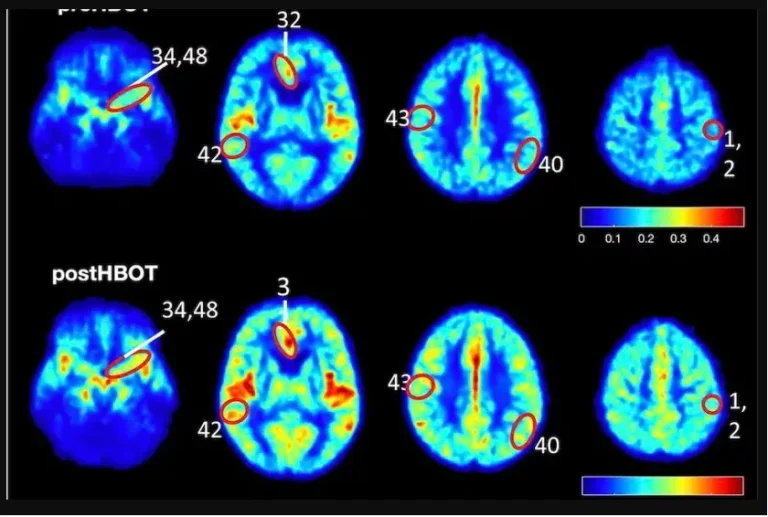
A patient who experiences these symptoms may describe difficulty following conversations, and delayed processing can appear during tasks that once felt simple. Studies have examined oxygen therapy in relation to concussions and these symptoms. For those who experience long-term symptoms post concussion, oxygen therapy often addresses persistent issues.
The treatment process also matters when brain fog is being assessed. Session length, pressure level, symptom history, and overlap with sleep problems or neck injury can shape how progress is interpreted. A broad recovery plan may combine medical review, symptom tracking, and rehabilitation exercises, and oxygen-based treatment can sit within that wider plan. To provide the body with enough oxygen and pressure to increase levels within the blood, the pressure should be higher with a high concentration of oxygen.
Schedule Oxygen Therapy for Post Concussion Treatment
Post concussion recovery involves multiple factors, and oxygen therapy is one option that may be reviewed within a broader clinical plan. Current discussions on oxygen therapy center around reducing inflammation, improving brain function, and boosting natural healing factors. Schedule a consultation with a clinic that offers oxygen therapy to discuss your post concussion symptoms to see if you qualify for oxygen treatments.