Exploring the Types of Cysts That Can Form on the Eye
A cyst on eye tissue is a fluid-filled sac that can develop in different parts of the eye or surrounding tissues. The location and type of cyst influence the symptoms, evaluation, and treatment options. An eye specialist is able to determine the underlying cause and recommend care based on the specific condition. Here is more information about the types of cysts that can form on the eye:
Conjunctival Cysts
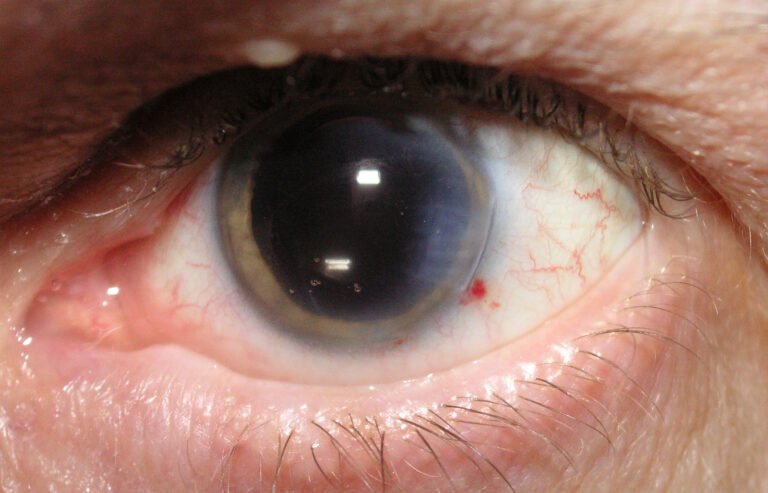
Conjunctival cysts develop in the thin, clear membrane that covers the white of the eye. These fluid-filled sacs may form after irritation, inflammation, infection, or blockage of a small gland. An eye specialist evaluates the cyst to determine its cause and whether treatment is needed.
Some conjunctival cysts cause few or no symptoms, while others may create the sensation that something is in the eye. Larger cysts are able to become more noticeable or cause ongoing discomfort during daily activities. Treatment depends on the size, symptoms, and location of the cyst and may include observation or a procedure recommended by an eye specialist.
Macular Cysts
A macular cyst on eye develops in the macula, the central part of the retina responsible for detailed, central vision. Fluid collects within the retinal tissue and may affect activities that rely on sharp vision, such as reading or recognizing fine details. An eye specialist evaluates the retina to determine the extent of the condition.
Macular cysts are able to be associated with conditions such as diabetes, retinal blood vessel disorders, eye inflammation, trauma, or previous eye surgery. Symptoms can include blurred central vision, distorted straight lines, and difficulty seeing fine details. A comprehensive retinal examination helps identify the underlying cause and guide treatment planning.
Treatment varies depending on the cause and severity of the cyst. Management options may include medicated eye drops, injections, or surgical procedures when appropriate. Ongoing monitoring allows an eye specialist to evaluate changes in the retina and adjust treatment as needed.
Iris Cysts
Iris cysts develop on or within the iris, the colored part of the eye that controls the size of the pupil. These cysts are able to occur naturally or develop after factors such as eye surgery, trauma, or certain medications. Many iris cysts remain stable without causing symptoms, but larger cysts that affect vision or eye pressure may require treatment, including laser therapy, drainage, or surgical removal based on an eye specialist’s evaluation.
Dermoid Cysts
Dermoid cysts are congenital growths that are present at birth and commonly develop near the outer portion of the upper eyelid. They form when skin tissue becomes trapped during early development and may contain structures such as skin cells, hair follicles, or oil glands. An eye specialist evaluates the size and location of the cyst to determine the most appropriate management approach.
These cysts often grow slowly and sometimes do not affect vision during early childhood. Regular monitoring helps providers assess changes over time and determine whether treatment is needed. Surgical removal may be recommended based on the cyst’s size, location, symptoms, and overall effect on surrounding tissues.
Seek Treatment for a Cyst on Eye
Eye cysts can develop in different parts of the eye and vary in size, location, and symptoms. A comprehensive eye examination helps identify the type of cyst and determine whether monitoring or treatment is appropriate. Treatment recommendations depend on the underlying cause and how the cyst affects vision or eye health. Schedule an appointment with an eye specialist to have your symptoms evaluated and discuss the appropriate care options.