Emergency Room Protocols for Allergic Reactions
Allergies happen when your immune system reacts to a substance that is usually harmless, and these reactions can range from mild to life-threatening. Common triggers include foods, insect stings, medications, and latex, but the most severe responses come from anaphylaxis. This condition closes the airway rapidly. Some allergies require emergency care because the body’s reaction escalates so quickly. Here is some information about what an emergency room care team may do in the event of an allergic reaction:
Understanding Watchful Waiting
Watchful waiting is a strategy where an ER doctor monitors your allergic reaction closely before deciding on aggressive treatment. The doctor observes your symptoms, and they track how your body responds over time. This approach typically is used for more mild reactions. It prevents unnecessary medication when the body can recover on its own.
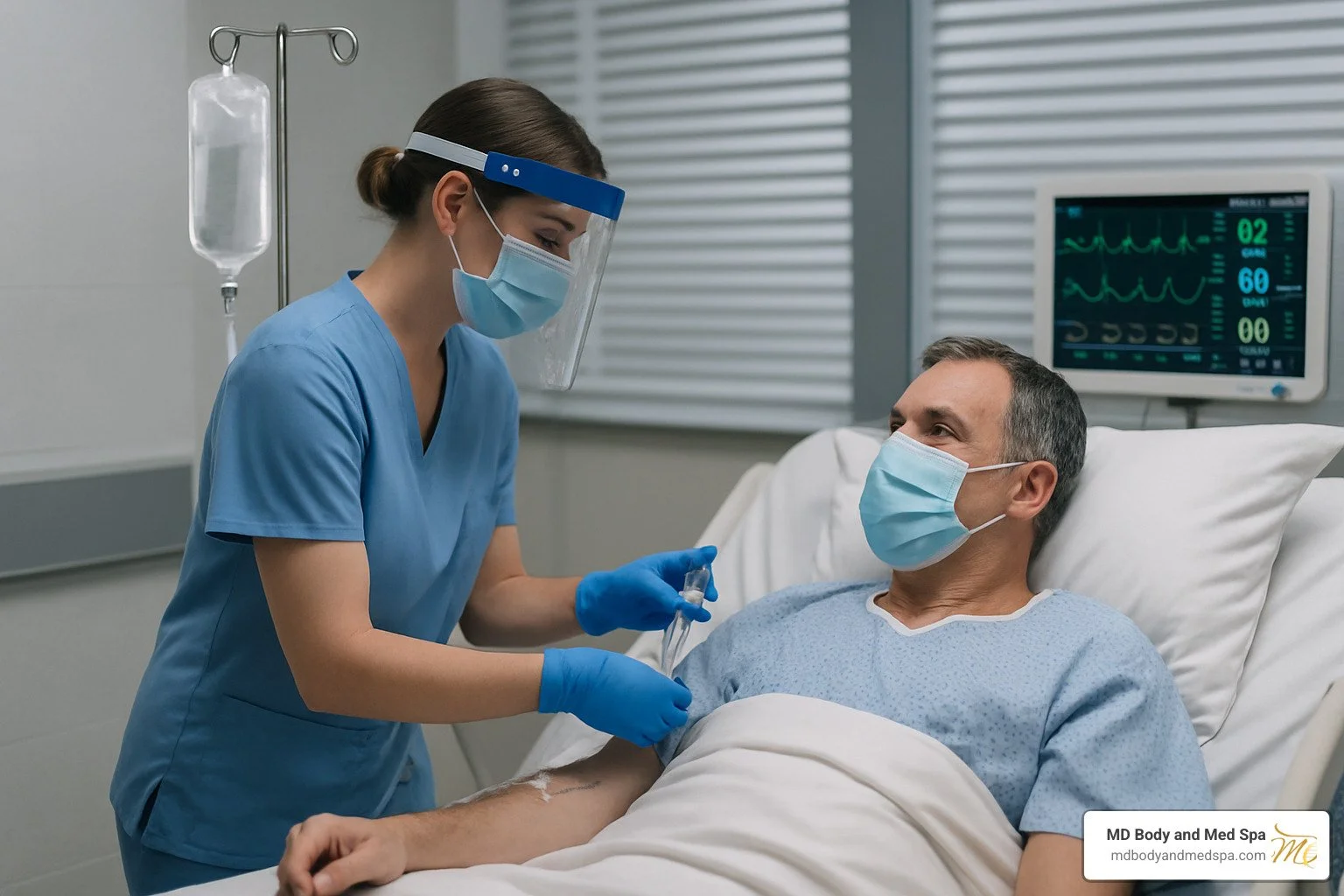
An ER doctor might recommend watchful waiting because some reactions stabilize without intervention, though the team stays ready to act if symptoms worsen. During this period, nurses check your vital signs, and they look for warning signs like swelling or breathing difficulties. You remain under observation for a period of time. This way, the staff can respond quickly if your condition changes.
Exploring Epinephrine
Epinephrine is a hormone that reverses the dangerous symptoms of a severe reaction. It is the first-line treatment for anaphylaxis. The medication narrows blood vessels, and it opens the airways so you can breathe again. Because epinephrine begins working so quickly, doctors administer it when they notice signs of a serious reaction.
The process of receiving an epinephrine shot is quick. A trained provider injects the medication into your outer thigh, and the effects begin almost immediately. Many people with severe allergies carry an auto-injector so they can treat themselves before reaching the hospital.
You still need to visit the hospital after using your auto-injector because the effects of epinephrine can wear off. A second wave of symptoms, called a biphasic reaction, may appear hours later, and only medical monitoring catches it in time. The ER team watches you closely, and they give more doses if your symptoms return.
Administering CPR
CPR, or cardiopulmonary resuscitation, is an emergency procedure that keeps blood and oxygen moving when the heart stops. ER doctors use CPR to treat an allergic reaction when anaphylaxis causes cardiac arrest. CPR helps people experiencing the most extreme allergic reactions by maintaining circulation. When the airways swell shut and the heart fails, compressions push oxygen-rich blood to the brain, and this protects vital organs from damage.
Preventing Severe Reactions
You can lower your risk of severe allergic reactions through careful planning. Avoiding known triggers is the primary strategy, and reading food labels helps you identify hidden allergens. While carrying an epinephrine auto-injector helps you be prepared in an emergency, wearing a medical alert bracelet notifies medical responders of your condition.
If you know you have a severe allergy, ask your doctor these questions:
- What triggers should I avoid, and how do I spot them?
- How do I use my epinephrine auto-injector correctly?
- What symptoms mean I should call emergency services right away?
- How do I create an allergy action plan for school or work?
Learn More About Allergic Reactions
Emergency room protocols for allergic reactions target different levels of severity. Watchful waiting suits mild cases, while epinephrine treats anaphylaxis. Preventing a reaction is the more effective form of allergy care, so ask your doctor about allergy testing if you have unknown triggers. If you want to learn more about allergic reactions and how to prevent or manage them, consult a healthcare provider near you.