Ankle Sprain Prevention Strategies for Athletes
An ankle sprain sidelines athletes across every sport. The foot and ankle carry your weight, absorb impact, and drive movement. When they falter, your daily activity suffers along with it. Each area targets a different risk factor, and together they reduce the odds of injury.
Strong Muscles Prevent Sprains
Strong muscles stabilize the joint. When your ankle stabilizers are weak, the joint rolls easily, and an ankle sprain can follow. Targeted exercises build the tissue that holds the ankle in place, so you protect yourself during quick cuts and landings. Single-leg exercises are especially useful because they mimic the demands of sport. Exercises like single-leg deadlifts challenge your balance, and they activate the small stabilizing muscles around the ankle. Stronger stabilizers respond faster when the joint is stressed, and faster response time reduces the risk of a roll.
Add proprioception work to your routine, because your brain needs accurate joint position feedback to prevent rolls. Balance drills, resistance bands, and calf raises train these muscles directly. Neglecting strength invites ankle instability, and repeated overload can trigger tendonitis and tendon injuries. Aim for two to three strength sessions per week. Train both ankles, and progress the load as your control improves. Consistency matters more than intensity, especially early in a training program.
Proper Foot Structure Matters
Foot shape affects sprain risk. Your arch determines how force spreads across the foot during movement. Identifying this pattern early gives you time to correct it before it leads to injury. Without correction, high-arched athletes may also experience stress and overuse injuries in the foot over time. Cushioned footwear with a wider base helps distribute load more evenly, and a heel cup can improve stability during impact. Assess your foot type, choose supportive footwear, and discuss orthotics if your structure raises your risk. A professional evaluation clarifies which corrections fit your feet. They give you a starting point for reducing risk.
Consistent External Support Works
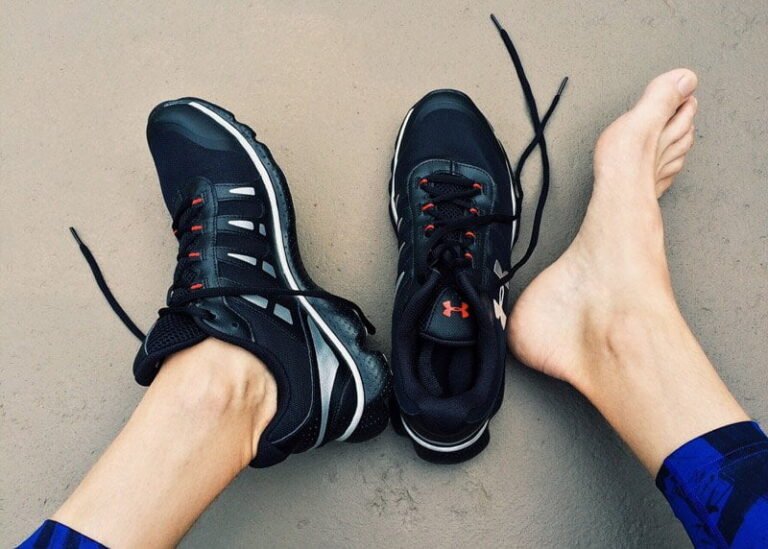
External support reduces sudden movements, so you may avoid more injury. Proper footwear, taping, and braces limit the rolling motion that causes most sprains. These tools matter most during high-impact activity, and they help athletes returning from prior injury. Support also means recovery time between sessions. Stress and overuse injuries develop when tissue never rests, and untreated overload can lead to ankle impingement. Sleep and nutrition play a role here too, because tissue repairs itself during rest, and protein supports that process. Rotate hard and easy days, replace worn shoes, and brace vulnerable joints during demanding play. Here are key external support options and when to use them:
- Lace-up braces: Offer consistent support and are easier to apply correctly than taping alone
- Firm heel counter footwear: Reduces unwanted ankle motion during lateral cuts
- Taping: Useful for short-term support, particularly during competition or high-demand sessions
- Braces for injury history: A standard part of returning to play if you have a history of ankle sprains, ankle instability, or prior trauma to the foot and ankle
Prevent An Ankle Sprain Today
Prevention combines strength, structure, and support into one plan. Assess your ankles, address weak points, and build habits that hold up under pressure. If you have recurring sprains, ankle instability, or unresolved trauma to the foot and ankle, a specialist can evaluate the cause. The most needed sport is living, and healthy ankles keep you in it. Schedule a foot and ankle assessment, apply these strategies to your training, and protect the movement your daily life depends on.