Evaluating the Benefits of Surgery for Severe Plantar Fasciitis
Plantar fasciitis affects the thick band of tissue that runs along the bottom of your foot, and many people feel a sharp heel pain during their first steps each morning. Most cases improve with rest, stretching, and orthotics, but some do not respond to these measures. When pain persists, your doctor might discuss surgery as an option. Here is more information on what surgery addresses and how newer methods differ from older ones:
Eliminated Pain
Chronic heel pain limits daily activity for many patients. Surgery targets the inflamed or damaged section of the plantar fascia, and it aims to reduce the strain that triggers discomfort. When conservative care fails after a year, some patients turn to a surgical release. The procedure separates part of the fascia from the heel bone.
Recovery timelines for plantar fasciitis vary from person to person. Some patients have reduced pain within weeks, while others need several months to notice a change. Your surgeon reviews your history before recommending any step. This assessment guides the treatment plan.
Restored Mobility
Persistent foot pain often changes how you walk and stand. Surgery may improve your range of motion once the fascia heals, and physical therapy supports this process. When mobility returns, you might resume activities you had paused. Walking, light exercise, and standing for longer periods typically feel easier.
Rehabilitation plays a large role in the outcome. Your care team may recommend specific exercises to rebuild strength. These steps typically include:
- Gentle stretching of the calf and foot
- Gradual weight-bearing as tissue heals
- Low-impact movement such as swimming
Following the plan supports steady progress. Skipping steps may slow your recovery, so consistency matters throughout the process.
Addressed Root Cause
Temporary treatments mask symptoms without fixing the underlying tissue damage. Surgery targets the source of the problem, and it may correct structural issues that fuel repeated flare-ups. When the fascia stays tight and inflamed, other treatments typically provide only short relief. A surgical approach works differently.
Some procedures also address related conditions, such as heel spurs. Your surgeon evaluates whether these factors contribute to your pain. This step helps shape a more complete plan. Treating the root cause may lower the chance of recurring symptoms, though results differ by patient.
After surgery, recovery typically involves a period of rest and rehabilitation to promote proper healing and restore mobility. Patients must follow their healthcare provider’s instructions closely, as this can significantly impact the overall outcome and reduce potential complications. Healing times vary, but many individuals notice an improvement in their symptoms once the underlying issues have been addressed.
Less Invasive Techniques
Modern surgical methods use smaller incisions than traditional open surgery. Some procedures use a tiny camera, and this tool lets the surgeon work through a small opening. When incisions stay small, patients may face shorter recovery windows. Scarring is typically minimal.
Minimally invasive options carry their own requirements. Not every patient qualifies for these techniques, and your anatomy influences which method fits. Typical approaches include:
- Endoscopic plantar fascia release
- Percutaneous needle procedures
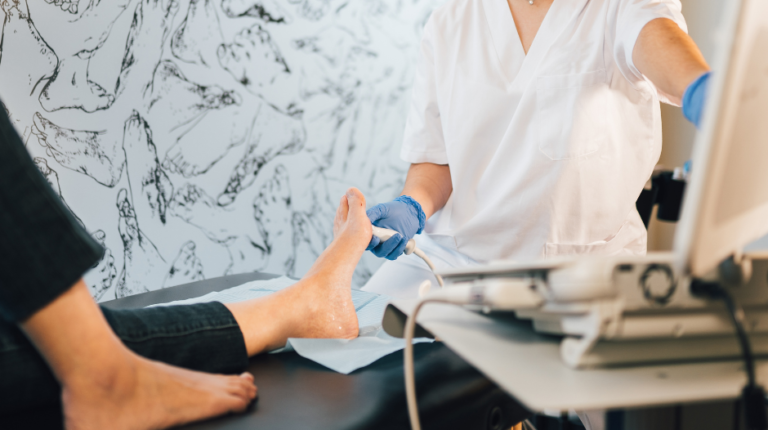
- Ultrasound-guided techniques
Your surgeon explains which option matches your situation. Discussing risks and benefits helps you make an informed choice before you commit to any procedure.
Explore Plantar Fasciitis Surgery
Severe plantar fasciitis disrupts sleep, work, and movement for many people. If heel pain has lasted more than a year despite treatment, talk with a foot specialist. Schedule a consultation to review your options and ask questions about surgical and non-surgical paths. A clear conversation with your provider helps you decide the next step for your feet.