Emerging Techniques for IVF
IVF continues to evolve as fertility specialists explore new techniques designed to improve treatment planning, embryo selection, and patient outcomes. Advances in testing, laboratory methods, and personalized care may give individuals and couples more options as they pursue fertility treatment. Here are key emerging techniques for IVF:
Exploring INVOcell
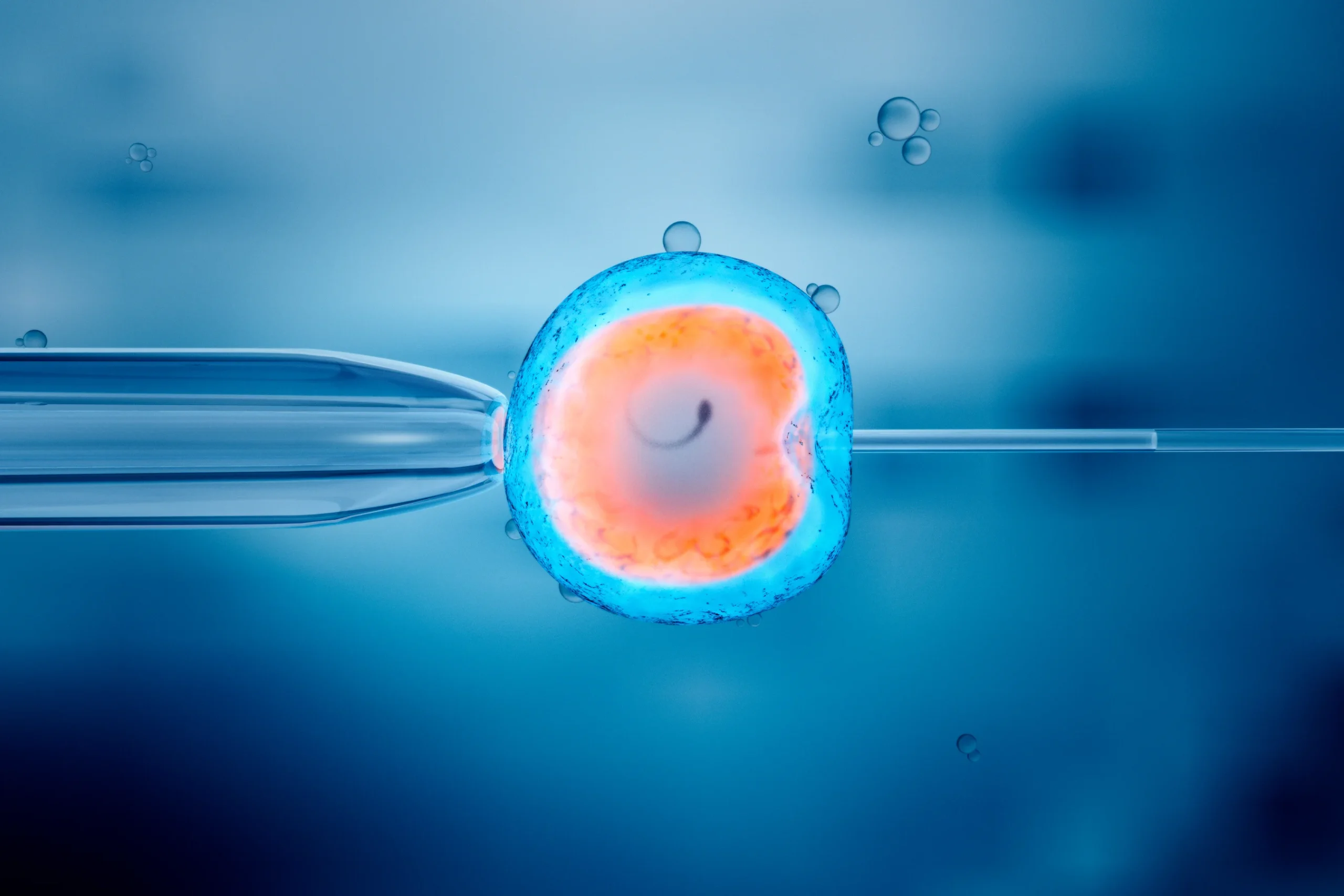
The INVOcell is a small device used in Effortless IVF to hold the egg and sperm during early fertilization. A doctor places this device inside the body for a set period, and your body acts as the natural setting where the embryo begins to form. This differs from standard methods, which keep the embryo in a lab incubator during the same stage. The device stays in place for a few days. Then the care team removes it and reviews the embryos that have developed. A specialist then selects an embryo for transfer, and any remaining embryos may be stored for later use. This is a great option for people who want fewer lab steps, though a doctor will confirm whether it is appropriate for your situation.
Comparing IVF Approaches
Effortless IVF and traditional IVF share the same goal, yet they differ in how the early stages take place. Here are a few points that may help you compare the two approaches:
- Setting for early development: Traditional IVF uses a lab incubator, while effortless IVF uses a device placed inside the body.
- Number of lab steps: Effortless IVF often involves fewer lab procedures during the early stage.
- Technological differences: Traditional IVF relies on external monitoring and laboratory-based environmental control, whereas effortless IVF utilizes natural in-body conditions.
The choice between traditional IVF and effortless IVF should be made through careful consultation with a medical professional, taking into account individual circumstances, preferences, and clinical recommendations.
Reviewing Embryo Options
After fertilization, the care team prepares an embryo for transfer into the uterus. A doctor places the embryo through a thin tube, and this step is brief and does not require surgery. The team may transfer an embryo soon after fertilization or choose a later cycle; your medical history often influences the timing. Here are some common embryo options:
- Fresh transfer: The team places an embryo during the same cycle as fertilization.
- Frozen transfer: The team stores embryos and transfers one in a later cycle.
- Long-term storage: You keep embryos preserved for future family planning.
These options provide individuals and couples with tailored flexibility, enabling them to align fertility treatments with their personal timelines and goals.
Determining IVF Fit
A method that works well for one couple may not work for another, so a careful review matters. Your specialist examines your medical history, test results, and personal goals before suggesting an approach. People with tubal blockage, prior tubal ligation, or sperm-related concerns may find certain methods more suitable, though only an exam can confirm this. The decision stays between you and your care team.
Time and travel often influence choices as well. Busy professionals may value a method with fewer clinic visits, and those who live far from a center often prefer a streamlined plan. A fertility-focused clinic can answer your questions and map out each step so you know what to expect.
Schedule Your IVF Consultation Today
Emerging techniques, such as effortless IVF, give couples new ways to pursue treatment. Understanding the factors that influence fertility treatment options is key in making informed decisions. Reviewing your diagnosis, schedule, and future family goals can help you and your doctor collaborate to identify the most suitable approach. Contact a qualified fertility clinic near you to schedule your IVF consultation today.