Myths and Facts About Root Canals
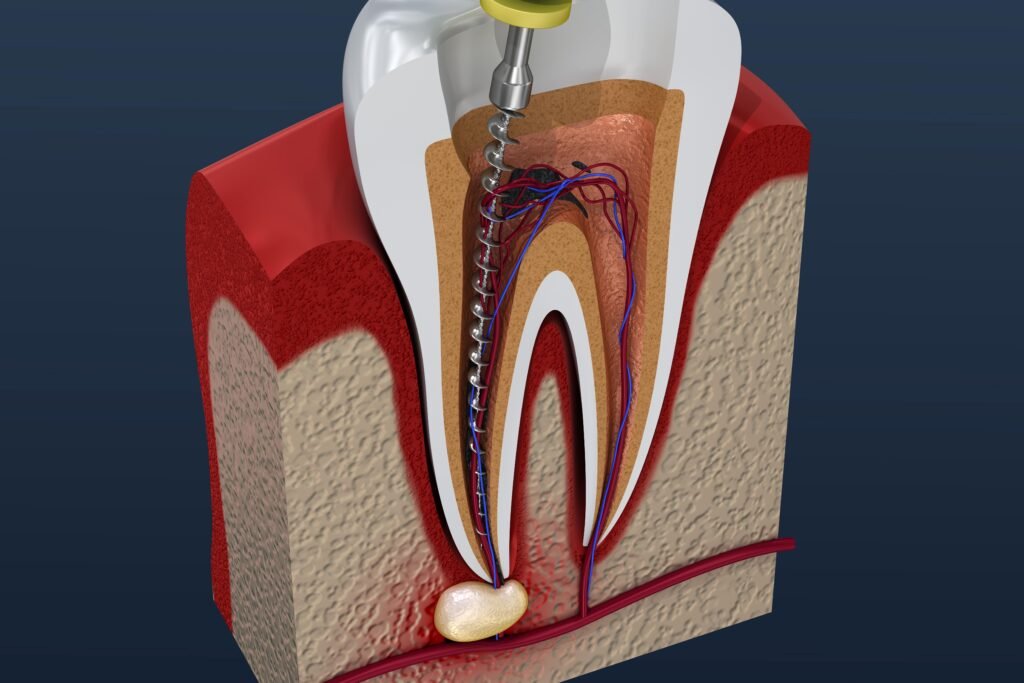
A root canal treats infection deep inside a tooth, and the dentist removes damaged tissue and seals the space. Many people avoid this treatment because it involves deep drilling. Knowing the facts helps you make an informed choice about your care. Here is more information on misconceptions and facts about root canals:
Myth: Pulling Teeth Is Better
People may think removal is the simpler path compared to a root canal. Extraction creates a gap, and that gap may shift nearby teeth over time. A pulled tooth never grows back. When you lose a natural tooth, you typically need a bridge or an implant later.
Pulling a tooth feels final to many patients. Replacement options are complex, and they require extra visits. A missing tooth changes how you chew. Since gaps affect your bite, neighboring teeth may drift into the open space.
Fact: Saving Teeth Is Ideal
Your natural tooth fits your mouth in ways no replacement copies. Dentists aim to keep your tooth whenever the structure allows it. A treated tooth withstands daily chewing, and it blends with the teeth around it. When roots stay healthy, your jawbone keeps its shape.
A saved tooth supports your bite. Treatment protects the surrounding teeth, and it keeps your smile aligned. Keeping your own tooth typically means fewer follow-up procedures.
Endodontists recommend saving the natural tooth because it preserves both function and appearance. This approach prioritizes maintaining the integrity of your smile. While extracting and replacing a tooth might seem like a convenient solution, saving it is typically a healthier and more effective long-term option.
Myth: Drilling Is Always Painful
The association with pain may come from older root canal methods. Today’s tools work differently, and dentists focus on your comfort throughout. You might find that the procedure feels like a routine filling. Since the infection itself causes the ache, treatment typically relieves the pain you arrived with.
Pain levels vary from person to person. Your dentist checks in during the visit, and you may signal any discomfort. Mild soreness afterward is normal. When you follow aftercare steps, that soreness typically fades within a few days.
A few simple habits help you recover smoothly:
- Take any prescribed medication as directed
- Eat soft foods for the first day
- Rinse gently with warm salt water
- Avoid chewing on the treated side until it heals
These steps reduce swelling, and they keep the area clean. Your dentist will explain each one before you leave. Following the plan supports a steady recovery.
Fact: Getting Anesthesia Is Effective
Numbing methods have changed over the years. Local anesthesia blocks pain in the treated area, and it wears off within hours. Dentists measure each dose to match your needs. As techniques keep advancing, many patients feel little pain during the appointment.
Some clinics offer extra options for nervous patients. These choices include:
- Local anesthetic injections
- Oral sedation for longer visits
Each option suits a different comfort level. Your dentist reviews your health history, and together you pick the right approach. Talking through your worries early helps the team plan ahead. When you ask questions, you understand the process better.
Schedule a Root Canal
Tooth pain rarely fades on its own, but early treatment keeps a problem from spreading, and it protects your other teeth. When you act soon, you avoid more involved work later. Call a dental office or book online to set up your visit. Reach out today and take the next step for your smile.