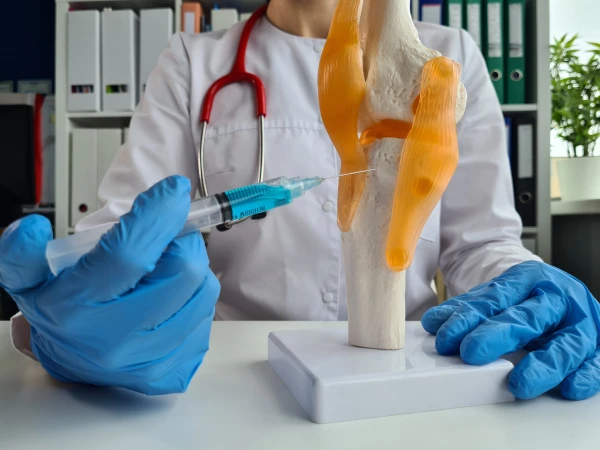
Approaches to Stem Cell Therapy for Joint Health
Joint pain limits movement, and it often disrupts daily routines. Stem cell therapy is a non-surgical option, and it supports patients who want alternatives to surgery, though results vary by case. Your provider will explain common approaches, candidate factors, and recovery steps. Learn how this treatment fits for you, while discussing options with your provider.
Conditions Therapy Treats
Stem cell therapy targets several joint problems. Providers may use it for knee pain, hip pain, shoulder pain, and arthritis. That range reflects wide demand. Lower back pain is another concern, and your provider can review which conditions match your symptoms after an evaluation. Each condition presents differently, and your symptoms may overlap with more than one problem. Providers also discuss how long you have felt pain, because duration affects which approach may help. You may notice stiffness in the morning, swelling after activity, or aching that worsens with use. These signs guide your provider toward a diagnosis. Stem cell therapy does not suit every joint problem, so an honest assessment matters early. Your provider explains which conditions respond best, and the team helps you understand where this treatment fits for your situation.
Candidates and Goals
Candidate selection depends on your health and goals. A physical exam guides this decision, and your provider weighs your symptoms against your overall condition. The team explains realistic expectations, since you need to plan. When reviewing your case, your provider discusses several key factors:
- Medical history, including past treatments like physical therapy or injections
- Current imaging, since fresh scans show the joint’s present state
- Activity level and lifestyle, which affect how the joint may respond
- Severity of damage, as early arthritis often qualifies, while severe cases may need other paths
Age plays a role, yet it rarely decides the outcome alone. Some conditions, like knee osteoarthritis or hip pain, fit this approach well, while others need closer review. Honest answers about your symptoms improve this process, and clear communication helps the team match the treatment to your needs. You can ask questions freely. A shared plan supports better decisions for your joint health.
Complications Before Treatment
Preparation matters for any procedure. Discuss your medications, your activity habits, and your recovery timeline with your provider. Recovery varies by person. Ask about follow-up visits. Your provider monitors progress, and the team may adjust your plan based on how the joint responds. Plan support at home too, because simple help with daily tasks eases your first days of recovery.
You should also arrange transportation for the appointment, as some procedures limit your movement afterward. Set realistic goals and track your symptoms in a journal, since clear notes help your provider gauge progress. Avoid strenuous activity during early recovery, and follow each instruction the team provides. Rest, light movement, and steady follow-up support a smoother process. Cost and insurance are practical factors, so review them early. Clear answers help you decide if this approach fits your situation and budget. Ask about payment plans, and confirm what your coverage includes before you commit, since these details shape your decision and keep your expectations grounded.
Discuss Stem Cell Therapy Today
Stem cell therapy offers a non-surgical path for many joint conditions. It may help with knee pain, hip pain, or arthritis, and a qualified provider confirms whether you qualify. Speak with a non-surgical orthopedics specialist, and bring your questions, your records, and your goals to that visit. Book a consultation today to review your options, since this is the first step.