Understanding the Stages of Skin Cancer and Their Treatments
Skin cancer develops in different stages, and each stage influences the recommended treatment. Understanding these stages can help individuals better recognize the need for early detection, medical evaluation, and timely care. Here is an overview of the stages of skin cancer and the treatment options that may be used to manage them:
Early-Stage Cancer
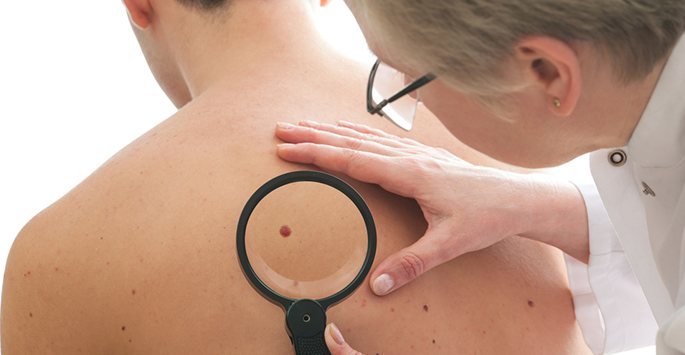
Early-stage skin cancer remains in the top layers of the skin, and it usually appears as a small bump, mole, or patch. Detecting skin cancer this early often gives a care team more options. At this stage, doctors may remove the growth in a short procedure, and they often check the edges to confirm the area is clear. Some cases call for creams or light-based methods that target the surface. A doctor will explain which approach is best for the area and will track your skin over time to monitor for any new changes.
Locally Advanced Cancer
Locally advanced skin cancer has grown deeper or wider, and it may reach nearby tissue, muscle, or bone. The cancer has not traveled to distant parts of the body, but it covers more ground than an early-stage case. This stage often calls for a more detailed plan.
Doctors may remove a larger area, and they sometimes use imaging tests to map how far the growth extends. Radiation can target cells that surgery cannot reach, and some plans combine multiple methods. A care team reviews your scans, weighs your overall health, and then creates a plan that suits your case. Recovery at this stage can take longer, and follow-up visits help your team confirm progress.
Metastatic Cancer
Metastatic skin cancer has spread from the skin to other organs, such as the lungs, liver, or lymph nodes. This is the most advanced stage, and it usually needs treatments that work through the whole body. Doctors focus on slowing the spread and managing symptoms.
Care teams may use medicines that travel through the bloodstream; these can include targeted drugs or treatments that work with the immune system. A doctor reviews how the cancer responds and adjusts the plan as needed. Some patients join clinical trials, which test newer approaches under close supervision.
Support care also matters at this stage. A team may include specialists who help with comfort, nutrition, and daily activities, and they work together to address the patient’s needs. Regular check-ins help the doctor track changes and update the care plan over time.
Personalized Treatment Planning
Several factors shape the plan your care team recommends, and contemplating each one helps you understand your choices. Here are the main points doctors evaluate:
- Stage of the cancer: The stage shows how far the cancer has spread, and it guides whether treatment stays local or reaches the whole body.
- Type of cancer: Different types behave differently, so doctors match treatment to the specific type of cancer a patient has.
- Location and size: A growth on the face may call for a careful approach, while a larger spot may need wider removal.
- Overall health: Age, medical history, and other conditions affect which treatments suit the patient.
- Personal preferences: Doctors explain the options and listen to the patient’s goals before finalizing the plan.
A clear plan helps you know what to expect at every step.
Schedule Your Skin Cancer Evaluation
Skin cancer moves through stages that range from early and contained to advanced and spread, and each stage shapes the treatment a doctor recommends. Understanding the factors that influence treatment make sure that the care plan is tailored specifically to your needs. You will receive guidance on effective treatment options and clear communication about what to expect by working closely with the care team. Contact a qualified dermatologist near you to schedule your skin cancer evaluation today.