How To Choose Between Surgical and Non-surgical Options for Arthroscopic Rotator Cuff Repair
A rotator cuff is a group of muscles and tendons, and this tissue helps to stabilize your shoulder. When these tendons tear, you face two main treatment paths. You might pursue arthroscopic surgery, or you might select conservative care instead. Here is more information on how to choose between rotator cuff repair surgery and more conservative approaches:
Size of Tear
Tear size guides treatment direction. Small tears measure under one centimeter, while large tears exceed three centimeters. Surgeons typically recommend conservative care for partial tears that do not penetrate the full thickness of the tendon.
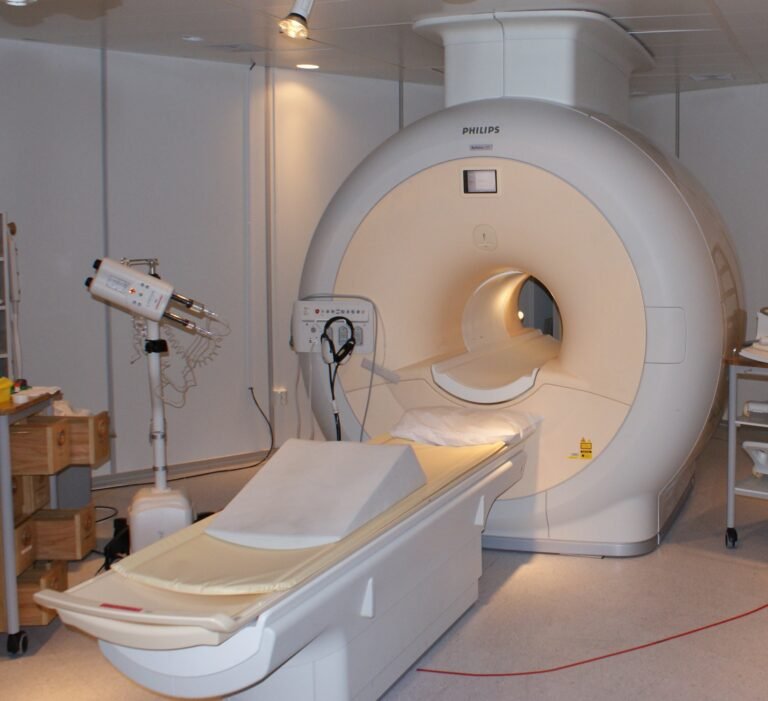
Physicians measure tears through imaging tests, and these results inform the plan. Larger tears tend to widen over time without repair. Since full-thickness tears rarely heal on their own, rotator cuff repair surgery becomes the likelier option.
Your physician categorizes tear severity using these classifications:
- Partial-thickness tears: affect only part of the tendon
- Full-thickness tears: extend through the entire tendon
- Massive tears: involve multiple tendons
Age of Patient
Age influences healing capacity and treatment selection. Younger patients heal faster, and their tissue holds sutures more securely. Surgeons typically recommend repair for active individuals under 65.
Older patients sometimes present with degenerative tears that developed slowly. As tissue quality declines with age, repair outcomes vary among seniors. A physician weighs your overall health alongside your age. Rehabilitation plays a key role in recovery after treatment, and a well-structured physical therapy plan can significantly improve functionality while reducing the risk of reinjury.
Level of Activity
Activity level shapes which treatment fits your goals. A sedentary person tolerates limited shoulder motion, but an athlete needs full range. Surgeons assess your daily demands before recommending a path.
Manual laborers place heavy stress on their shoulders. When repetitive lifting strains repair tendons, your physician reviews your occupation closely. People with low physical demands often respond well to non-surgical care.
Athletes and active workers might prioritize surgical repair. When needed, surgery aims to restore strength for overhead motion. Your physician matches the treatment to your functional needs. Recovery times vary based on the treatment chosen, but both surgical and non-surgical options require commitment to physical therapy, which is crucial for restoring mobility and preventing future injuries.
Duration of Symptoms
Symptom duration affects which option suits you. Acute injuries appear suddenly, while chronic conditions develop over months. Physicians track how long pain and weakness persist.
Conservative treatments include rest, physical therapy, and targeted exercises. Many patients improve when they commit to a structured program early. Since some tears respond to therapy, your physician may suggest a trial period first.
Non-surgical methods may include the following steps:
- Physical therapy to strengthen surrounding muscles
- Anti-inflammatory medication to reduce swelling
- Modified activities to limit further strain
- Targeted corticosteroid injections for short-term relief
When symptoms continue despite months of therapy, surgery enters the conversation. Persistent weakness signals that tissue damage limits recovery. Your physician reevaluates your progress at regular intervals.
Schedule Rotator Cuff Repair Surgery
Your treatment choice depends on tear size, age, activity, and symptom duration. A physician reviews each factor, and together you select a clear path. Surgery suits some patients, while others find relief through conservative care. Discuss your specific situation with a qualified orthopedic specialist. Contact an orthopedic clinic today to schedule a consultation about your shoulder.