Increasing Awareness of Women’s Heart Health Issues
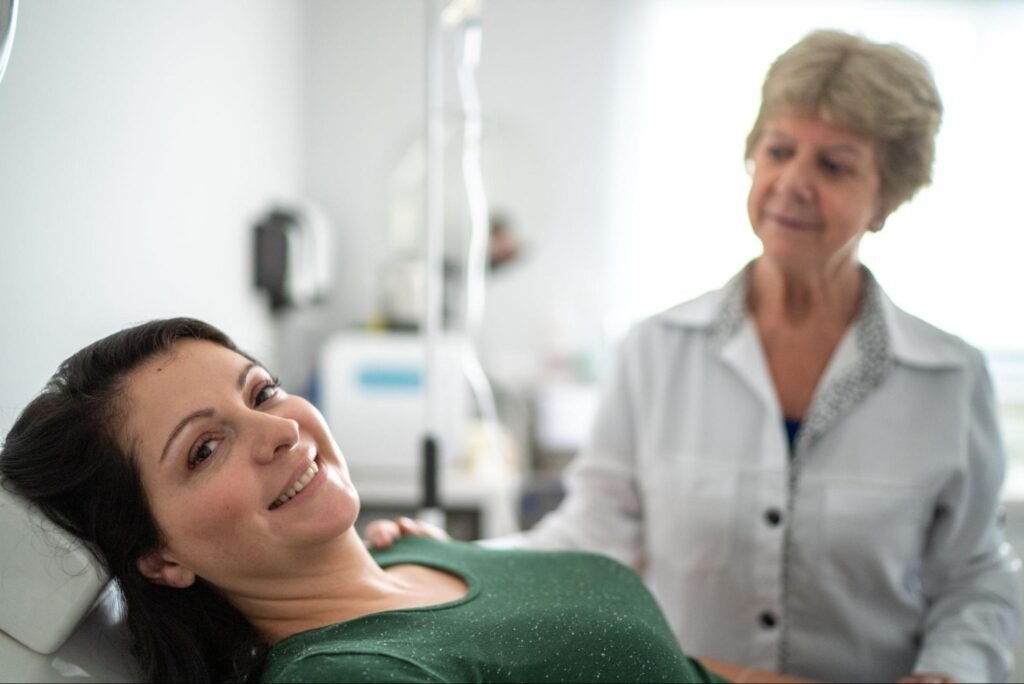
Differences in how heart conditions present and progress across individuals often influence how symptoms are recognized and addressed. Increasing awareness of women’s heart health issues supports earlier understanding, and it encourages conversations about prevention and treatment. Clinicians’ continued attention shapes how cardiovascular topics are understood and communicated during preventive care appointments. Here is some information about women’s heart health issues:
Recognize Atypical Warning Signs
Understanding the unique warning signs of heart disease in women is key for early detection and effective treatment. Chest pain is not always the first clue. Women frequently report symptoms that seem unrelated to the heart, such as:
- Nausea
- Jaw discomfort
- Shortness of breath
- Extreme fatigue
These signs are easy to dismiss as other conditions. A heart attack in a woman might also begin with pain in the back or upper abdomen rather than the chest pressure many people expect; some feel lightheaded or break into a cold sweat. Because these symptoms are subtle, they sometimes go unreported for hours or days. Knowing the full range of warning signs helps you respond sooner and seek medical evaluation when something feels wrong.
Understand Unique Risk Factors
Women face heart disease risk factors that men do not, and knowing these helps support early intervention. Pregnancy complications, which include preeclampsia and gestational diabetes, raise the long-term likelihood of heart disease. Early menopause and certain hormonal changes also play a role. Conditions like autoimmune disorders frequently affect women, and these can have cardiovascular consequences. Traditional risk factors such as high blood pressure, high cholesterol, smoking, and diabetes still apply. Family history adds another layer worth tracking. A clear picture of your personal risk profile gives your provider better information to guide screening decisions.
Create Actionable Prevention Plans
Developing proactive strategies that target prevention and early intervention can reduce the risk of heart-related conditions. Prevention often starts with knowing your numbers. Schedule regular checks for blood pressure, cholesterol, and blood sugar, then keep a record of the results over time. Talk with your provider about how often these screenings make sense for your age and health history.
Daily habits also shape long-term women’s heart health. Aim for regular physical activity and build movement into your routine in ways that fit your schedule. Choose meals rich in vegetables, whole grains, lean proteins, and healthy fats, while limiting added sugars and heavily processed foods. If you smoke, ask about programs that support quitting. A simple plan might look like this:
- Book your next screening appointment
- Track blood pressure and cholesterol readings
- Set a weekly activity target
- Note any new or recurring symptoms to share with your provider
Learn More About Women’s Heart Health
Awareness gives you the foundation to make informed choices about your health. The differences in symptoms, risk factors, and prevention strategies for women deserve attention from both patients and providers. Regular screening and open communication with healthcare providers strengthen early detection, and they support better long-term outcomes. When patients understand their personal risk factors, they are better equipped to engage in preventive care and make timely health decisions. Contact a cardiology clinic today to schedule a heart health evaluation.