Skin Allergy Treatment Specialist Clinic: A Complete Guide to Care, Relief, and Recovery
Skin allergies are among the most common health problems worldwide. They can affect anyone, regardless of age or gender, and often appear suddenly, causing discomfort, irritation, and stress. When symptoms become persistent or severe, visiting a skin allergy treatment specialist clinic becomes important. These clinics are designed to diagnose the exact cause of skin reactions and provide targeted treatments that bring long-term relief.
In this article, we will explore what a skin allergy treatment specialist clinic is, what conditions it treats, how diagnosis works, and what treatments are commonly used. Everything is explained in simple, human-friendly language so you can clearly understand your options.
What is a Skin Allergy Treatment Specialist Clinic?
A skin allergy treatment specialist clinic is a medical center that focuses specifically on diagnosing and treating allergic reactions that affect the skin. These clinics are usually run by dermatologists or allergy specialists who have advanced training in skin conditions.
Unlike general clinics, these specialist centers do not just treat symptoms. Instead, they try to find the root cause of the allergy. This is important because skin allergies often return if the trigger is not identified and controlled.
People usually visit these clinics when they experience:
- Persistent itching or rashes
- Red, inflamed patches on the skin
- Swelling or irritation after contact with certain substances
- Chronic skin conditions that do not improve with normal creams
Common Skin Allergies Treated in These Clinics
A skin allergy treatment specialist clinic deals with many types of allergic skin conditions. Some of the most common include:
1. Eczema (Atopic Dermatitis)
Eczema causes dry, itchy, and inflamed skin. It often appears in children but can continue into adulthood. Stress, weather changes, and allergens can make it worse.
2. Contact Dermatitis
This happens when the skin reacts to something it touches, like soaps, cosmetics, jewelry, or chemicals. It often appears as a red, itchy rash.
3. Urticaria (Hives)
Hives are raised, red bumps that appear suddenly and cause intense itching. They can be triggered by food, medication, or even stress.
4. Drug Allergies
Some people develop skin reactions after taking certain medicines. This may include rashes, swelling, or more severe reactions.
5. Food-Related Skin Allergies
Certain foods like nuts, seafood, or dairy can trigger skin reactions in sensitive individuals.
Why You Should Visit a Specialist Clinic
Many people try home remedies or over-the-counter creams first. While this may provide temporary relief, it does not solve the underlying problem. A skin allergy treatment specialist clinic is important because:
- It identifies the exact cause of the allergy
- It prevents repeated flare-ups
- It offers personalized treatment plans
- It reduces long-term skin damage
- It improves overall quality of life
Ignoring persistent skin allergies can lead to worsening symptoms and even infections due to scratching.
Diagnosis at a Skin Allergy Treatment Specialist Clinic
The first step in treatment is proper diagnosis. Doctors use different methods to understand what is causing the allergy.
1. Medical History
The doctor asks about symptoms, lifestyle, diet, and exposure to chemicals or new products.
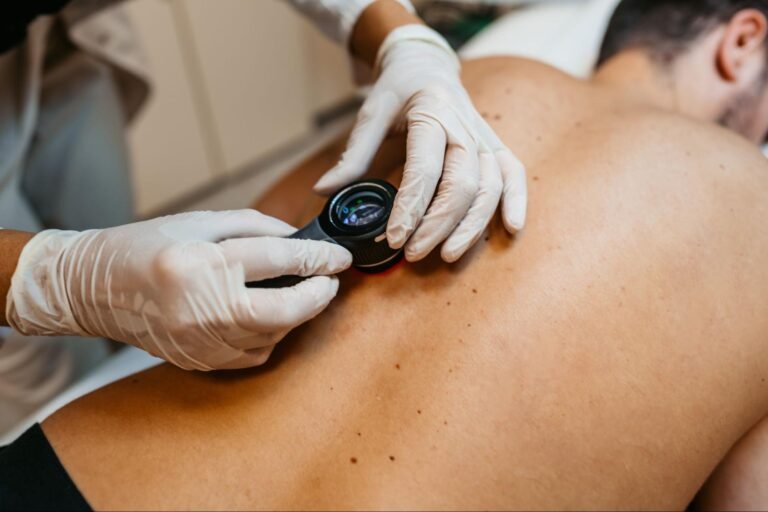
2. Skin Examination
A detailed check of the affected areas helps identify patterns of irritation.
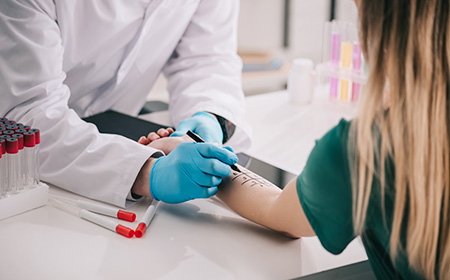
3. Patch Testing
Small amounts of allergens are placed on the skin to see if a reaction occurs. This helps identify contact allergies.
4. Blood Tests
These tests help detect allergic reactions inside the body, especially for food or environmental allergens.
5. Skin Biopsy (in rare cases)
A small sample of skin may be taken for deeper analysis if the condition is unclear.
Treatment Options Available
A skin allergy treatment specialist clinic provides various treatment options depending on the severity and cause of the allergy.
1. Medications
Doctors may prescribe:
- Antihistamines to reduce itching
- Steroid creams to control inflammation
- Antibiotics if infection is present
- Immunotherapy in chronic cases
2. Lifestyle Changes
Patients are often advised to:
- Avoid known allergens
- Use gentle, fragrance-free skincare products
- Keep skin moisturized
- Wear breathable clothing
3. Allergy Avoidance Therapy
Once triggers are identified, patients are guided on how to avoid them completely.
4. Light Therapy (Phototherapy)
Controlled exposure to ultraviolet light can help reduce severe eczema and other chronic conditions.
5. Long-Term Management Plans
For chronic conditions, doctors create a long-term plan to control flare-ups and maintain healthy skin.
Benefits of Early Treatment
Getting early help from a skin allergy treatment specialist clinic can make a big difference. Some benefits include:
- Faster relief from itching and discomfort
- Prevention of skin infections
- Better sleep and daily comfort
- Reduced need for strong medications
- Long-term skin health improvement
Early treatment also helps prevent the condition from becoming chronic.
How to Choose the Right Clinic
Not all clinics offer the same level of care. When choosing a skin allergy treatment specialist clinic, consider:
- Experience of dermatologists
- Availability of advanced allergy testing
- Patient reviews and reputation
- Clean and well-equipped facilities
- Personalized treatment approach
A good clinic will always focus on understanding your unique condition rather than giving a one-size-fits-all solution.
Living with Skin Allergies
Managing skin allergies is not just about treatment; it is also about daily care. Patients are encouraged to:
- Maintain a healthy skincare routine
- Stay hydrated
- Avoid scratching affected areas
- Reduce stress levels
- Follow medical advice strictly
With proper care and guidance, most people can live comfortably even with chronic skin allergies.
Conclusion
A skin allergy treatment specialist clinic plays a vital role in diagnosing and managing allergic skin conditions effectively. Instead of just treating symptoms, these clinics focus on finding the root cause and offering personalized care. Whether it is eczema, hives, or contact dermatitis, early consultation with a specialist can prevent long-term discomfort and improve quality of life.
If you experience frequent or severe skin irritation, it is always better to seek expert help rather than relying only on home remedies. Healthy skin is not just about appearance—it is about comfort, confidence, and well-being.
Frequently Asked Questions (FAQs)
1. When should I visit a skin allergy treatment specialist clinic?
You should visit a clinic if your skin allergy lasts more than a few days, keeps coming back, or gets worse despite using creams or home remedies.
2. Are skin allergies completely curable?
Some skin allergies can be fully cured if the trigger is identified and avoided. Others can be managed effectively with long-term care.
3. Is allergy testing painful?
Most allergy tests, like patch tests or skin prick tests, are not painful. You may feel slight discomfort or itching, but it is temporary.
4. Can stress cause skin allergies?
Yes, stress can worsen many skin conditions like eczema and hives. Managing stress is an important part of treatment.
5. Do I need a referral to visit a specialist clinic?
In most cases, you do not need a referral. You can directly book an appointment with a skin allergy treatment specialist clinic.