Personalized Meal Plan for Fat Loss: A Simple Guide That Actually Works
Fat loss is something many people want, but very few manage to achieve in a healthy and long-term way. One of the biggest reasons is that most people follow general diet plans that are not made for their body, lifestyle, or habits. This is where a personalized meal plan for fat loss becomes very important.
A personalized meal plan is not a one-size-fits-all diet. Instead, it is designed specifically for you based on your age, weight, activity level, food preferences, health conditions, and fat loss goals. In this article, we will explore what it means, how it works, why it is effective, and how you can start building one for yourself in a simple way.
What is a Personalized Meal Plan for Fat Loss?
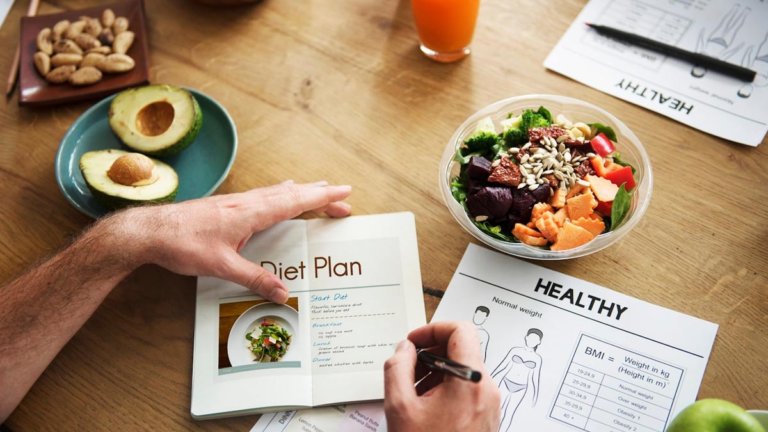
A personalized meal plan for fat loss is a structured eating plan created to help you lose fat in a healthy and sustainable way. It focuses on your body’s unique needs instead of giving the same diet to everyone.
For example:
- A physically active person may need more calories than someone who sits most of the day.
- Someone with diabetes may need a different food balance compared to a healthy adult.
- A vegetarian will have different protein sources compared to a non-vegetarian.
So instead of copying a random diet from the internet, a personalized plan is built around your real-life situation.
Why Personalized Meal Plans Work Better
Many people try crash diets or trending diet plans, but they often fail after a few weeks. Here’s why personalized meal plans work better:
1. It fits your body needs
Every person burns calories differently. A personalized plan ensures you eat the right amount of food—not too much, not too little.
2. It matches your lifestyle
If you are busy, your plan can include quick meals. If you like cooking, it can include more detailed recipes.
3. It reduces hunger and cravings
When your body gets balanced nutrition, you feel full for longer and avoid unnecessary snacking.
4. It is easier to follow
Because the plan includes foods you already like, you are more likely to stick with it.
5. It supports long-term fat loss
Instead of losing weight quickly and gaining it back, you lose fat slowly and steadily.
How a Personalized Meal Plan for Fat Loss is Created
Creating a personalized meal plan is not complicated if you understand the basic steps. Let’s break it down simply:
Step 1: Understanding your body
This includes:
- Age
- Gender
- Weight
- Height
- Activity level
These details help estimate how many calories your body needs daily.
Step 2: Setting a fat loss goal
A safe fat loss goal is usually 0.5 to 1 kg per week. This ensures you lose fat, not muscle.
Step 3: Choosing the right calorie intake
To lose fat, you need to eat fewer calories than you burn. This is called a calorie deficit.
But the deficit should not be extreme. A small and steady deficit is healthier.
Step 4: Balancing nutrients
A good meal plan includes:
- Protein (for muscle strength)
- Healthy fats (for hormones and energy)
- Carbohydrates (for energy)
- Fiber (for digestion)
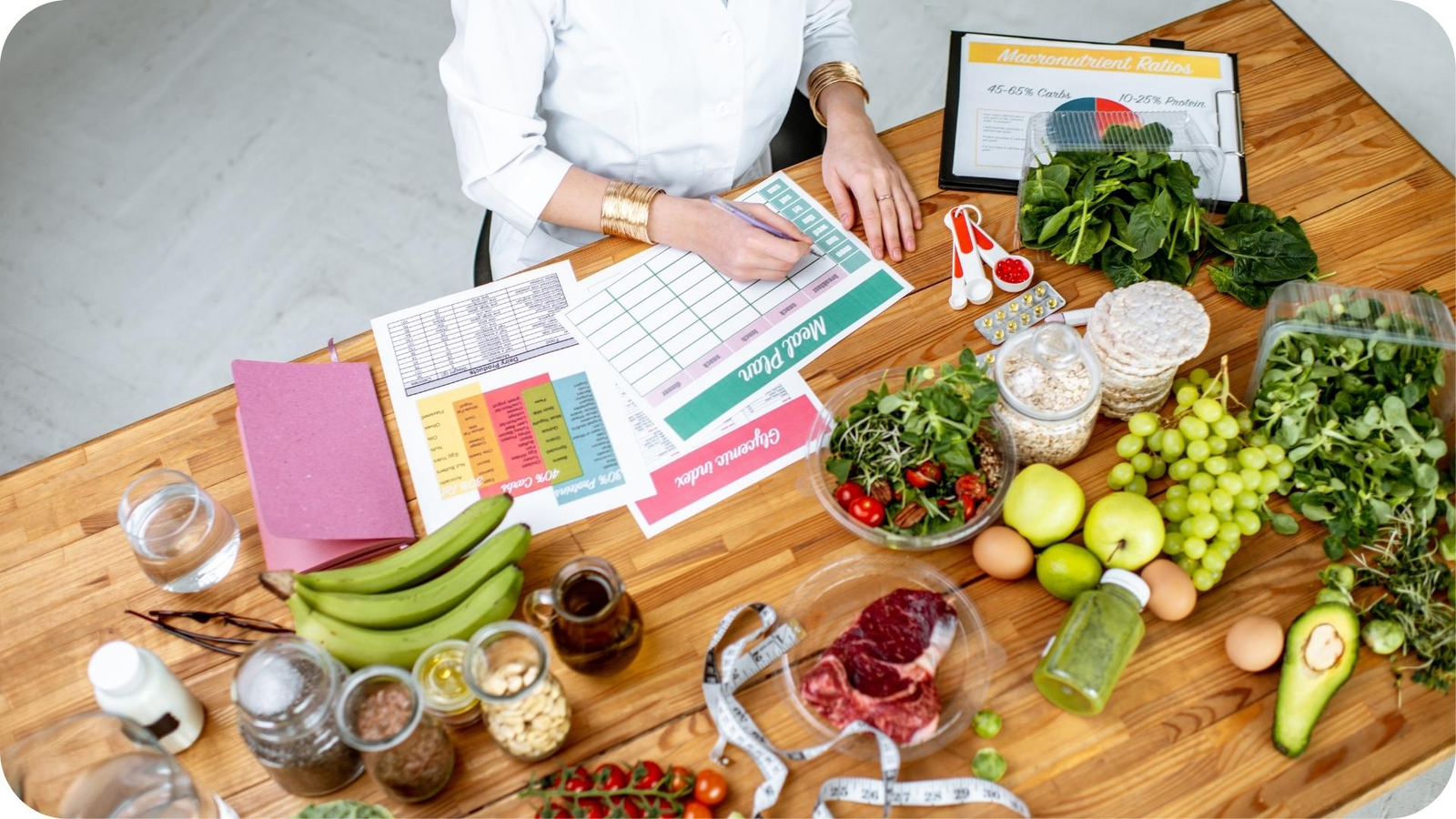
Step 5: Planning meals
You divide your food into:
- Breakfast
- Lunch
- Dinner
- Snacks
Each meal should support your fat loss goal while keeping you satisfied.
Foods Commonly Included in Fat Loss Meal Plans
A personalized meal plan may include different foods based on preference, but here are some common healthy options:
- Eggs
- Chicken or fish
- Lentils and beans
- Brown rice or whole wheat bread
- Vegetables like spinach, carrots, and broccoli
- Fruits like apples, bananas, and berries
- Nuts and seeds in small amounts
- Yogurt or milk (if tolerated)
These foods help provide energy while supporting fat burning.
Foods to Limit for Better Results
If your goal is fat loss, you may need to reduce or control:
- Sugary drinks like soda and packaged juices
- Deep-fried foods
- Fast food like burgers and fries
- Excess sugar and sweets
- Refined flour products like white bread or pastries
You don’t always have to eliminate them completely, but reducing them helps a lot.
A Simple Example of a Personalized Meal Plan
Here is a basic example of what a day might look like:
Breakfast:
- Oats with milk and a banana
- 1 boiled egg
Snack:
- A handful of almonds or an apple
Lunch:
- Grilled chicken or lentils
- Brown rice or whole wheat roti
- Salad
Snack:
- Yogurt or fruit
Dinner:
- Vegetables with protein (fish, chicken, or beans)
- Light soup or salad
This is just a simple example. A real personalized plan may look different for each person.
Benefits of Following a Personalized Meal Plan for Fat Loss
When you follow a plan designed for your body, you experience many benefits:
- Steady and healthy fat loss
- Better energy levels throughout the day
- Improved digestion
- Reduced cravings for junk food
- Better sleep and mood
- Long-term weight control
The biggest benefit is that it becomes part of your lifestyle instead of a short-term diet.
Common Mistakes People Make
Even with a good plan, some people still struggle. Here are common mistakes:
- Eating too little food and feeling weak
- Skipping meals
- Not drinking enough water
- Expecting fast results
- Not tracking progress properly
Avoiding these mistakes can make your fat loss journey much easier.
Final Thoughts
A personalized meal plan for fat loss is one of the most effective ways to lose weight in a healthy and sustainable way. Instead of following random diets, you focus on what your body truly needs. This approach helps you build better eating habits, enjoy your food, and still reach your fat loss goals.
The key is consistency. Even the best plan will not work unless you follow it regularly and make it part of your lifestyle. Start simple, stay patient, and focus on progress rather than perfection.
FAQs About Personalized Meal Plan for Fat Loss
1. What is a personalized meal plan for fat loss?
It is a diet plan specially designed based on your body, lifestyle, and goals to help you lose fat in a healthy way.
2. Is a personalized meal plan better than a normal diet?
Yes, because it matches your body’s needs and is easier to follow long-term compared to general diet plans.
3. Can I create my own personalized meal plan?
Yes, you can start by understanding your calorie needs and choosing healthy foods that you enjoy and that support fat loss.
4. How fast can I lose fat with a personalized meal plan?
Healthy fat loss is usually around 0.5 to 1 kg per week, depending on your body and consistency.
5. Do I need to avoid all junk food?
No, but you should limit it. Occasional treats are fine, but most of your diet should be healthy and balanced.