A Guide for Preparing for a Colonoscopy
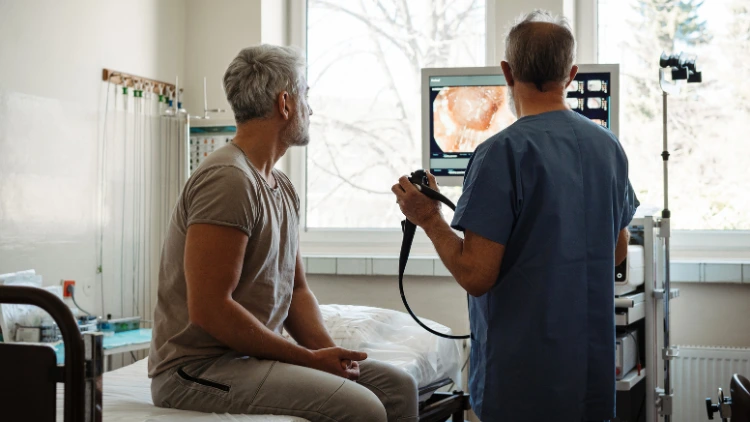
A colonoscopy is a procedure that allows a doctor to examine the inner lining of your large intestine using a thin, flexible tube fitted with a small camera. The camera sends images to a monitor, giving the physician a clear view of the colon and rectum. People undergo colonoscopies for several reasons, including screening for colorectal cancer, investigating symptoms like abdominal pain or bleeding, and monitoring existing digestive conditions. The procedure can also help identify and remove polyps before they cause further problems. Here is information on colonoscopies and how to prepare for one:
When To Visit a Gastroenterologist
A gastroenterologist specializes in the digestive system, and you may want to see one when symptoms persist or interfere with daily life. Common reasons for a referral include ongoing abdominal pain, changes in bowel habits, rectal bleeding, or unexplained weight loss. Your primary care doctor may also recommend a visit if you have a family history of digestive conditions. Many people schedule a consultation once they reach the recommended screening age for colorectal cancer, which is around age 45. A gastroenterologist reviews your history, discusses your symptoms, and determines whether colonoscopy testing is appropriate.
When They May Recommend Colonoscopy
A gastroenterologist may recommend a colonoscopy based on your symptoms, age, or personal and family history. The procedure often serves as a diagnostic tool and a preventive measure. During the exam, the physician can detect abnormalities, take tissue samples, and remove polyps in a single session. Identifying and removing polyps early may reduce the chance of them developing into something more serious, and regular screening helps track changes over time.
This dual purpose supports preventive care. By spotting concerns before symptoms appear, a colonoscopy allows physicians to address issues at an earlier stage. The results guide future decisions about follow-up appointments and screening intervals, and they can take biopsies to confirm cancerous growths.
How To Prepare for One
Preparation is a key part of any colonoscopy, as a clean colon gives the physician a clear view, which supports an accurate examination. Bowel preparation, often called bowel prep, is the process of clearing your colon before the procedure. It typically involves following a specific diet and taking a prescribed solution that empties the intestines. Your gastroenterologist will provide detailed preparation instructions based on your appointment time and health history.
Most bowel preparation treatments begin a day or more before the actual procedure. During this period, you usually shift to a clear liquid diet and avoid solid foods, and you begin drinking the prescribed solution according to the schedule you receive. Bowel prep kits come in several forms, and your physician will recommend the one that fits your health needs. Some common options include large-volume solutions that require drinking a significant amount of liquid, and low-volume solutions that use a smaller quantity combined with additional fluids. Some kits use tablets taken with water.
You commonly begin dietary changes 24 to 72 hours in advance, and the prep solution is often taken in split doses. Take half the dose the evening before and the rest the morning of the procedure, but follow your doctor’s instructions. Expect frequent bowel movements once the solution takes effect. Staying near a bathroom at home and keeping fluids nearby can make the process more manageable.
Prepare Effectively For Your Colonoscopy
Preparing for a colonoscopy takes planning, but understanding each step makes the process easier to prepare for. Reviewing your care instructions, arranging your schedule around prep time, and asking your specialist any questions helps you prepare effectively. To learn more ways to prepare, contact a gastroenterology practice for personalized advice.