Understanding the Causes, Symptoms, and Solutions of Ingrown Toenails
Ingrown toenails are a common nail condition treated by podiatrists, and they occur when the edge of a nail grows into the surrounding skin, causing pain and swelling. If left unaddressed, mild discomfort can develop into a painful infection. Understanding the causes and recognizing symptoms early are key to effective management. Here is more information on this condition:
What Are Ingrown Toenails?
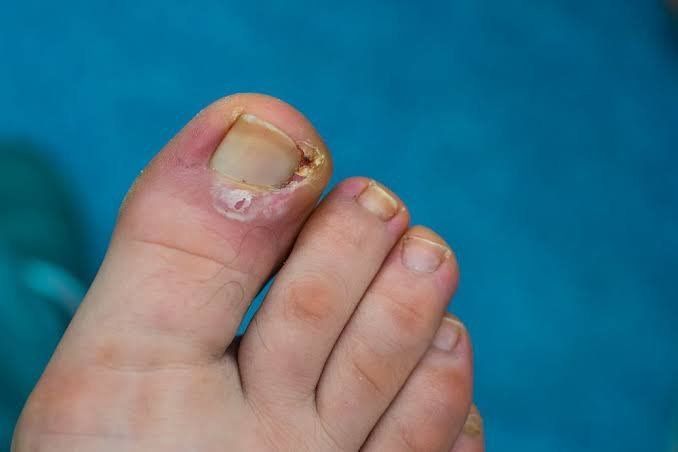
Ingrown toenails occur when the edge or corner of a toenail grows into the surrounding soft skin. The big toe is the most frequently affected, but any toe can develop the condition. As the nail penetrates the skin, it creates an entry point for bacteria, which increases the risk of localized infection. Early identification is valuable because the condition can progress from mild discomfort to a more serious infection if left untreated.
What Causes Them?
Improper nail trimming is a leading cause of ingrown toenails. When nails are cut too short or rounded at the edges, the nail is encouraged to grow downward into the skin rather than forward. This increases the risk of the condition developing, and tight or ill-fitting footwear compounds the problem.
Additional factors can also contribute to ingrown toenails, and understanding these helps with prevention. Toenail injuries and hereditary nail shapes, such as curved or fan-shaped nails, increase susceptibility. Poor foot hygiene increases the risk further. Since certain skin conditions interfere with the skin’s protective function, individuals who experience these conditions may face a greater risk of developing the condition.
What Are the Symptoms?
Ingrown toenail symptoms vary in severity depending on the stage of the condition. Common symptoms include:
- Tenderness along one or both sides of the affected nail
- Redness, swelling, and warmth in the surrounding skin
- Pus or fluid drainage from the affected area
- Significant pain at rest and overgrowth of surrounding skin over the nail edge
Early identification of these symptoms helps determine the most appropriate course of treatment.
What Are the Available Solutions?
Treatment depends on the severity of the condition, and mild ingrown toenails can sometimes be managed at home through conservative measures. Submerge the affected foot in warm water every day. This softens the surrounding skin and reduces swelling, which helps alleviate discomfort before infection develops. A topical antibiotic applied to the affected area can prevent or manage early-stage bacterial infection, and a sterile bandage covers the area after application.
A nail splint is a non-surgical option used in clinical settings. The splint is placed under the nail edge to gently lift it away from the skin, which guides correct directional growth. Although this approach is typically reserved for mild-to-moderate cases, it is an effective intervention when infection has not yet developed, and it can be combined with home care measures for improved outcomes.
When conservative methods fail, or infection is present, partial nail removal may be recommended. This minor surgical procedure removes the portion of nail growing into the skin, and it helps prevent recurrence when proper aftercare protocols are followed. A podiatrist may also recommend follow-up assessments to monitor nail regrowth.
Consult a Podiatrist Today
Ingrown toenails range from a minor pain to an infection-prone condition requiring professional care, and recognizing the early signs and addressing them promptly reduces the likelihood of complications. A podiatrist can assess the severity of the condition, recommend an appropriate treatment plan, and provide guidance on long-term prevention. If you are looking to learn more, schedule an appointment with a podiatrist today.