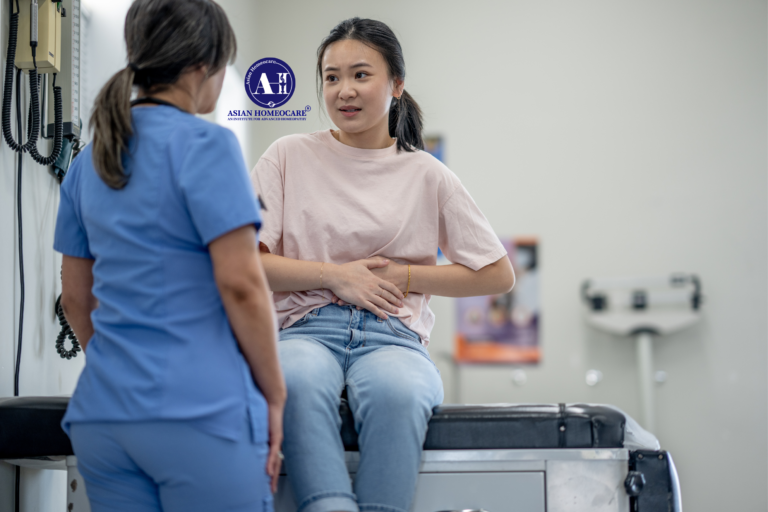
The Role of Primary Care in Women’s Health
Primary care serves as your first point of contact for most health concerns, and it plays a role in women’s health. A primary care provider handles routine checkups and also manages ongoing conditions. When you build a relationship with one provider over time, they learn your health history in detail. Here is more information on the role of primary care in women’s health:
Providing Fast Diagnostics
Many symptoms need quick answers, so primary care clinics offer in-house testing. Your provider orders blood work during the same visit. Since early evaluation shapes your next steps, fast diagnostics keep you moving forward. Simple tests can reveal the cause of fatigue or pain.
When you arrive with a concern, staff record your symptoms right away. A provider reviews your results, and they explain what each number means. When clear explanations reduce confusion, you leave the visit knowing your status. This process may save you a separate trip to another facility.
Customizing Treatment Plans
Every patient has different needs, and treatment plans reflect those differences. Your provider adjusts medication doses based on your response. As your body changes with age, your plan changes too. A tailored approach fits your daily routine.
Providers gather details before they suggest any option. They review your history and they ask about your goals. Since women face specific health patterns, plans account for those factors. This step keeps your care aligned with your life.
Maintaining open communication with your provider makes sure your treatment plan stays effective. Regular check-ins are beneficial. While adjustments may seem minor at times, they can have a significant impact on your overall well-being.
Monitoring Menstrual Symptoms
Menstrual health reveals a lot about your overall condition. Your provider tracks changes across several visits. Since irregular cycles signal other issues, monitoring helps identify patterns early. Consistent records build a useful timeline.
When you report symptoms, your provider notes their frequency and severity. Concerns include:
- Heavy or prolonged bleeding
- Severe cramps that disrupt daily tasks
- Irregular cycle length
- Missed periods without pregnancy
Since these details guide the next steps, your provider reviews them carefully. They compare current notes with past visits, and they flag any shifts. This ongoing review keeps your care grounded in real data.
Providers also ask about related factors during appointments. They check your energy levels, and they discuss any mood changes. Since menstrual symptoms connect to other systems, this broad view matters.
Making Referrals to OBGYNs
Some concerns need a specialist, and primary care providers coordinate that step. Your provider identifies when a condition falls outside general care. Since timing affects treatment, referrals happen without long delays. A specialist then handles focused evaluations.
Referrals typically follow specific findings. Your provider may refer you for:
- Abnormal Pap smear results
- Suspected fibroids or cysts
- Various fertility questions
- Persistent pelvic pain
When your provider sends a referral, they share your records with the OBGYN. This transfer prevents repeated tests, and it speeds up your first specialist visit. Since both providers stay informed, your care stays connected across offices.
Visit a Primary Care Clinic
Primary care providers manage daily concerns, and they guide you toward specialists when needed. Since regular visits build a full health record, you gain steady support over time, and this structure keeps your care organized. Schedule an appointment with a primary care clinic near you, and bring a list of your symptoms and note any recent changes. Since preparation helps your provider act quickly, a short list makes each visit productive.