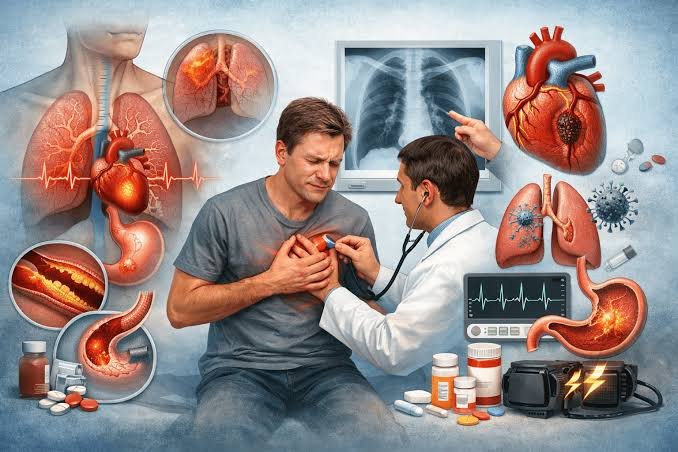
Exploring Treatments for Chest Pain
Chest pain is any discomfort felt in the area between your neck and upper abdomen, and it can range from a sharp stab to a dull ache. The sensation may feel like pressure, burning, or tightness, depending on the underlying issue. Many people associate this with the heart, but it can also stem from the lungs, muscles, ribs, or digestive system. Here is more information about how doctors diagnose and treat the causes of chest pain:
Understanding Symptoms and Causes
Various types of chest pain present in different ways, and the specific sensation helps indicate its origin. Some patients experience a crushing weight, while others notice a burning sensation that spreads toward the arm, jaw, or back. The pain may be very brief or persist much longer. Various causes of chest discomfort and pain include:
- Reduced blood flow to the heart
- Inflammation of the heart lining
- A tear in a major blood vessel
- acid reflux
- muscle strain
- anxiety
- lung conditions
Certain factors raise the likelihood of heart-related chest discomfort or pain. These may include high blood pressure, elevated cholesterol, smoking, diabetes, and a family history of heart disease. Age and lifestyle habits also play a role because they influence overall cardiovascular health.
Diagnosing Chest Pain
When they begin diagnosis, a doctor performs a physical exam and a review of your medical history. Your doctor will ask about the timing, intensity, and location of the pain, and this information guides the next steps. Several tests can clarify the cause.
An electrocardiogram records the heart’s electrical activity, blood tests check for markers of heart damage, and imaging scans reveal the structure of the chest. In certain cases, a stress test or coronary angiogram provides a closer look because these tools show how the heart performs under demand. A combination of these tests may be required to diagnose the cause of your pain.
Treating the Causes
Treatment depends on the diagnosis, and doctors may prescribe medications to manage heart-related chest discomfort or pain. Doctors may prescribe a range of medications, each targeting a different aspect of cardiovascular function:
- Beta blockers: slow the heart rate and reduce its workload.
- Calcium channel blockers: relax blood vessels and ease strain on the heart.
- Cholesterol-lowering medications: target the buildup of fatty deposits in the arteries.
- Nitrates: help widen narrowed vessels to improve blood flow.
- Aspirin: reduces the likelihood of clot formation.
- Blood-thinning medications: lower the chance of dangerous clots developing.
- ACE inhibitors: help control blood pressure through different pathways.
- Digitalis preparations: strengthen the heart’s contractions and steady its rhythm.
- Vasodilators: open blood vessels to improve circulation.
- Diuretics: reduce excess fluid so the heart does not have to work as hard.
Get Treatment for Chest Pain
Chest pain has many possible sources, from cardiac conditions to muscular and digestive issues, and understanding its symptoms is the first step toward proper care. A cardiologist can address a wide range of heart-related matters because their expertise extends to hypertension management and ongoing heart disease monitoring. To learn more about heart health, consult a cardiologist near you.