Exploring the Latest Developments in Obstetrics
Obstetrics focuses on pregnancy, childbirth, and the care of women during these stages. Providers in this field monitor both mother and baby, and they guide patients through each trimester. Since reproductive health shifts over time, obstetrics also covers birth control and surgical options. Here are some of the latest developments in obstetrics and what they involve:
Advanced Diagnostics
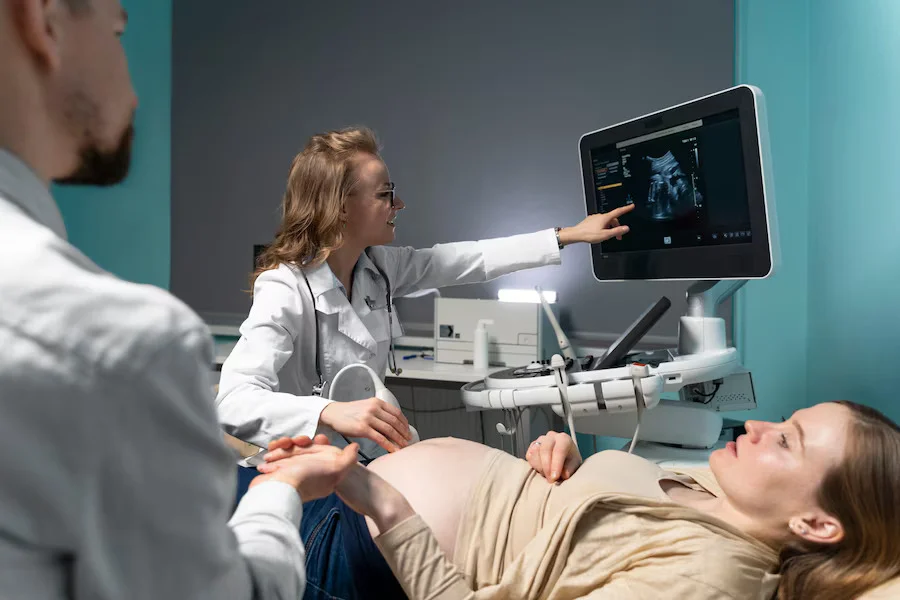
Modern imaging has changed how obstetrics clinics track fetal growth. High-resolution ultrasound produces detailed pictures, and newer machines capture movement in real time. When providers spot a concern early, they plan the next steps with the patient. These scans give families a clearer view of development.
Genetic screening has also expanded. A simple blood test checks for certain conditions, and results typically arrive within days. Since early data helps with planning, many patients choose these screenings during the first trimester.
Some clinics now use remote monitoring at home. Patients track blood pressure and heart rate, and the data travels to their provider. When numbers fall outside a safe range, the care team responds quickly. This approach keeps patients connected between visits to the clinic.
Hormonal and Barrier Birth Control
Birth control options fall into two broad groups: hormonal and barrier methods. Hormonal choices adjust the body’s cycle, and barrier methods block conception physically. Since each option works differently, patients discuss preferences with their provider.
Hormonal methods include:
- Intrauterine devices
- Cervical cap
- Various birth control pills
- Contraceptive implants
Barrier methods stay popular for people who prefer non-hormonal choices. Condoms and diaphragms create a physical block, and they require no daily routine. When someone wants a method without hormones, these tools give a direct alternative.
Laparoscopic Surgeries
Laparoscopic procedures use small incisions and a thin camera. Surgeons view the area on a screen, and they operate through narrow openings. Since the cuts stay small, recovery tends to be shorter than open surgery.
Obstetric teams use laparoscopy for several conditions. They treat ovarian cysts, and they remove certain growths this way. When a provider recommends this method, they explain the process step by step.
Permanent Female Sterilization Treatment
Permanent sterilization suits people who no longer want to conceive. The most common approach ties or seals the fallopian tubes, and it stops eggs from reaching the uterus. Since this choice is permanent, patients review it carefully with their provider.
Providers typically outline what to expect:
- A consultation to discuss the decision
- A review of medical history
- A short recovery period
Patients ask questions during each stage, and the care team answers them directly. When someone is ready, the provider schedules the procedure. This step deserves full discussion beforehand. Each option carries its own process, and your provider walks you through the details. Since your needs are personal, an open conversation helps you understand every choice.
Find Obstetrics Near You
Obstetrics covers a wide range of services, from diagnostics to surgery. Take the first step by booking a consultation with an obstetrics provider near you. Bring your questions, and share your health history openly with your doctor. When you meet your care team, you gain a clear picture of your options.