Exploring Skin Cancer Types and Treatments
Skin cancer develops when skin cells grow in abnormal ways, and many cases start on areas exposed to the sun. When you learn the main types, you gain a clearer picture of what to watch for. Early detection typically shapes how a doctor approaches treatment. Here are some skin cancer types and how they are treated:
Basal Cell Carcinoma
Basal cell carcinoma is the most common type of skin cancer. It grows slowly, and it rarely spreads to other parts of the body. Since this cancer forms in the deepest layer of the epidermis, it appears on sun-exposed skin. You might notice a pearly bump or a flat, scaly patch. These growths tend to show up on the face, neck, and ears. A doctor examines the area, and a biopsy confirms the diagnosis. When caught early, treatment usually involves a straightforward removal procedure. Watch for sores that bleed, heal, then return.
Squamous Cell Carcinoma
Squamous cell carcinoma forms in the flat cells near the skin’s surface. It grows faster than basal cell carcinoma, and it may spread if you ignore it. Because this type often develops on damaged skin, sun exposure raises your risk. Regular skin checks help you spot changes. Common warning signs appear in several forms. Look out for the following:
- Rough, scaly red patches
- Firm bumps or nodules
- Open sores that do not heal
A dermatologist reviews these signs, and a biopsy provides the answer. When the cancer stays small, removal is usually simple. Treatment depends on the size and location of the growth.
Melanoma
Melanoma starts in the cells that give your skin its color. It accounts for fewer cases, yet it causes most skin cancer deaths. Because melanoma spreads quickly, early action matters for your health. You need to track any new or changing moles.
Doctors may use the ABCDE method to assess moles. Keep an eye on these traits:
- Asymmetry
- Border irregularity
- Color changes
- Diameter over 6 millimeters
- Evolving shape or size
If you spot these features, schedule an exam soon. A specialist studies the mole, and imaging tests check for spread. Prompt treatment gives doctors more options to work with.
Surgical Procedures
Surgery remains a common approach for many skin cancers, and the right method depends on the type, size, and location. There are a few procedures your doctor might discuss with you. Mohs surgery removes cancer layer by layer. A surgeon takes thin sections, and a lab examines each one under a microscope. Since this method checks margins during the operation, it spares healthy tissue. Doctors may use it for the face.
Curettage and desiccation treat smaller, surface-level cancers. The surgeon scrapes away the growth with a curette, then applies an electric current. Since this method targets the top layers, it works best for early tumors. The procedure usually takes place in an office setting.
Recovery varies from person to person. Your doctor explains wound care, and follow-up visits track your healing. When you follow the aftercare steps, you support a smoother recovery. Ask questions about anything that feels unclear.
Get Treated for Skin Cancer
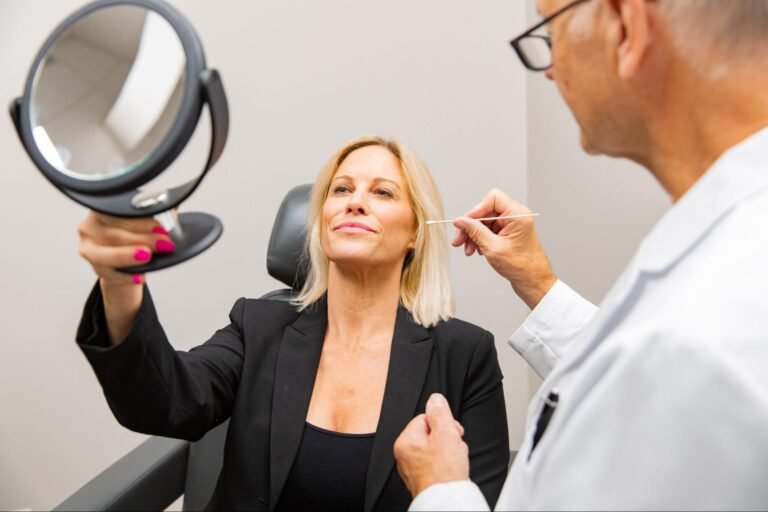
Skin cancer takes many forms, and each one calls for a different plan. Because early detection guides treatment, regular checks make a real difference. A dermatologist examines suspicious spots and recommends next steps. You do not have to sort through the options alone. Schedule a skin exam if you notice a new spot or a changing mole. A specialist will review your concerns and explain your choices clearly.