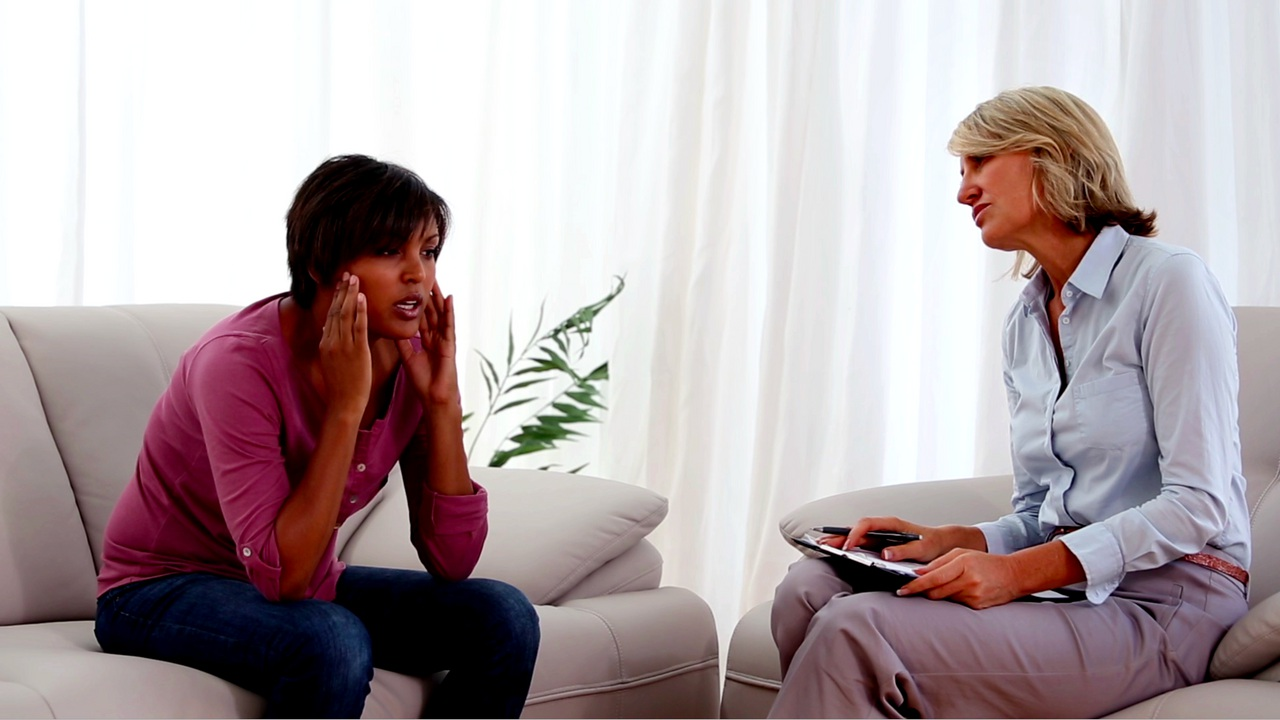
Therapy for Panic Attacks and Anxiety Disorder: A Complete Easy Guide
Panic attacks and anxiety disorder are common mental health problems that affect millions of people around the world. Many people feel scared, confused, or even helpless when they experience them. The good news is that these conditions are treatable, and many effective options exist today. One of the most helpful approaches is therapy for panic attacks and anxiety disorder, which focuses on understanding the mind, reducing fear, and learning healthy coping skills.
In this article, we will explore what panic attacks and anxiety disorders are, how therapy works, and what methods can help people recover and live a peaceful life. Everything is explained in simple and human language so that anyone can understand it easily.
Understanding Panic Attacks and Anxiety Disorder
Before learning about therapy, it is important to understand the problem.
What is a panic attack?
A panic attack is a sudden wave of intense fear or discomfort. It can come without warning. A person may feel like something terrible is going to happen, even when there is no real danger. Common symptoms include:
- Fast heartbeat
- Shortness of breath
- Chest pain
- Sweating
- Dizziness
- Feeling of losing control
Panic attacks usually last for a few minutes, but the fear can stay longer.
What is anxiety disorder?
Anxiety disorder is when a person feels constant worry, fear, or nervousness that does not go away easily. It can affect daily life, work, studies, and relationships. Unlike normal stress, anxiety disorder lasts for a long time and can become overwhelming.
Why Therapy is Important
Many people try to ignore anxiety or panic attacks, but this often makes the problem worse. Therapy helps because it:
- Teaches how to control fear
- Helps understand the root cause of anxiety
- Changes negative thinking patterns
- Improves emotional strength
- Builds confidence in daily life
Therapy for panic attacks and anxiety disorder is not just about talking—it is about learning skills to manage your mind and body.
Types of Therapy for Panic Attacks and Anxiety Disorder
There are different types of therapy used by mental health professionals. Each one has its own method, but all aim to reduce fear and improve mental health.
1. Cognitive Behavioral Therapy (CBT)
CBT is one of the most effective treatments for anxiety and panic attacks. It focuses on changing negative thoughts.
For example:
- Negative thought: “I am going to die during a panic attack.”
- CBT response: “This is just anxiety. It will pass and I am safe.”
CBT helps people replace fear-based thinking with calm and realistic thoughts. Over time, the brain learns to respond differently to stress.
2. Exposure Therapy
In this therapy, a person slowly faces their fears in a safe way. It may sound difficult, but it is very helpful.
For example:
If someone is afraid of crowded places, the therapist may slowly guide them to:
- First imagine a crowd
- Then visit a small shop
- Then go to a busy place
This step-by-step process reduces fear over time.
3. Talk Therapy (Counseling)
Talk therapy is a simple but powerful method where a person talks openly with a therapist. It helps release emotions and stress.
People often feel better just by sharing their thoughts with someone who listens without judgment.
4. Mindfulness Therapy
Mindfulness teaches a person to focus on the present moment instead of worrying about the future.
It includes:
- Deep breathing
- Meditation
- Relaxation exercises
This therapy helps calm the mind and reduce panic symptoms quickly.
5. Medication (Along with Therapy)
In some cases, doctors may prescribe medication to control severe anxiety. Medicines are not a permanent solution, but they help stabilize symptoms so that therapy can work better.
How Therapy Helps During Panic Attacks
During a panic attack, the body reacts as if there is danger. Therapy helps people understand that:
- Panic attacks are not dangerous
- They cannot cause death or harm
- The feeling will pass naturally
Therapists teach techniques like:
- Slow breathing
- Grounding exercises (focusing on surroundings)
- Relaxation techniques
These tools help reduce the intensity of panic attacks.
Lifestyle Changes That Support Therapy
Therapy works best when combined with healthy habits. Some helpful lifestyle changes include:
1. Regular Exercise
Exercise helps release stress and improves mood.
2. Healthy Diet
Eating balanced food keeps the brain and body strong.
3. Good Sleep
Lack of sleep increases anxiety. A proper sleep schedule is important.
4. Avoid Caffeine and Alcohol
These can increase anxiety symptoms in some people.
5. Stay Connected
Talking to friends and family reduces loneliness and fear.
Self-Help Techniques
Along with professional therapy, people can also try self-help methods:
- Deep breathing exercises
- Writing thoughts in a journal
- Listening to calming music
- Practicing positive self-talk
- Taking short breaks during stress
These simple steps can make a big difference over time.
How Long Does Therapy Take?
There is no fixed time. Some people feel better in a few weeks, while others may take months. It depends on:
- Severity of symptoms
- Consistency in therapy
- Personal lifestyle
- Support system
The important thing is to stay patient and continue the process.
When Should You Seek Therapy?
You should consider therapy if:
- Panic attacks happen frequently
- You avoid places or activities due to fear
- Anxiety affects your daily life
- You feel constant worry or stress
- Physical symptoms are disturbing your routine
Early treatment always gives better results.
Final Thoughts
Therapy for panic attacks and anxiety disorder is one of the most effective ways to regain control over your life. It helps people understand their thoughts, manage fear, and build emotional strength. With the right support, recovery is absolutely possible.
No one should feel alone in this journey. Anxiety is common, and it is treatable. With patience, guidance, and practice, a calm and peaceful life can be achieved again.
FAQs
1. Can therapy completely cure panic attacks?
Therapy can greatly reduce or even stop panic attacks in many people. While results vary, most people experience major improvement with consistent treatment.
2. How does CBT help with anxiety?
CBT helps change negative thinking patterns. It teaches the brain to respond calmly instead of reacting with fear.
3. Do I need medication for anxiety disorder?
Not always. Some people improve with therapy alone. Medication is used only in moderate to severe cases or when recommended by a doctor.
4. How long does each therapy session last?
Usually, a session lasts between 45 to 60 minutes. The frequency depends on the individual’s condition.
5. Can I recover from anxiety without therapy?
Some mild anxiety can improve with lifestyle changes, but professional therapy is the most effective and reliable method for long-term recovery.